Physiotherapy for Headaches in Ancaster & Hamilton
Recurring headaches that start in the neck? A significant portion of headaches have a musculoskeletal origin and respond very well to physiotherapy.
Book My AssessmentIs This You?
Common Symptoms of Cervicogenic Headaches
If your headaches are related to your neck, you might be experiencing these signs.
Headaches that consistently affect one side of the head
Pain that starts in the neck or at the base of the skull
Headaches triggered by specific neck movements or postures
Pain aggravated by prolonged sitting or desk work
Associated neck stiffness or reduced range of motion
A dull, non-throbbing ache (not typically pulsating)
Tenderness when pressure is applied to upper neck joints
Pain that can sometimes spread to the forehead, temple, or behind the eye
The Evidence-Based Approach
Why Physiotherapy Works for Headaches
Headaches are one of the most prevalent neurological conditions worldwide. While many people reach for pain medication, a significant proportion of recurring headaches have a musculoskeletal origin. Research published in Cephalalgia estimates that 15-20% of all chronic headaches originate from the cervical spine (neck).
Physiotherapy is the recommended first-line treatment for these "cervicogenic" headaches. By addressing the underlying joint stiffness, muscle tension, and poor movement patterns in the neck, we can effectively reduce headache frequency, intensity, and duration without medication.
Book My Assessment
Real Patient Stories
Results That Speak for Themselves
Elissa W.
Ancaster
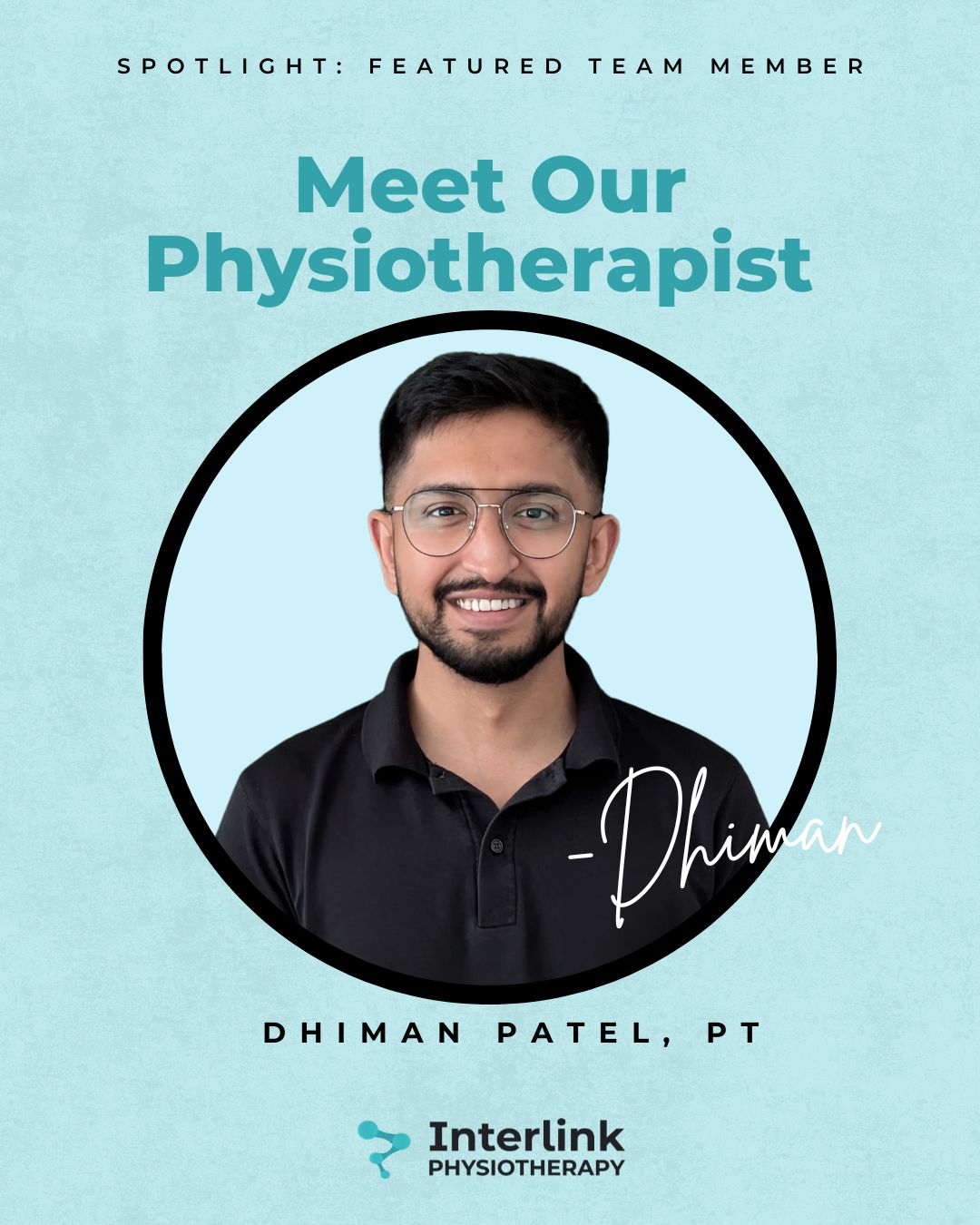
"My pain went from 8/10 to 0/10 with Dhiman's help. The clinic is clean, fresh, and appointments are always on time. I will absolutely come back. Wonderful experience from start to finish."
Shan Kapoor
Ancaster
"They don't just treat the pain — they actually give you the tools to get stronger and prevent it from coming back. Highly recommend for anyone active."
David Austin O.
Hamilton
"I started my rehabilitation with Interlink a week ago and I've seen significant improvements already! Very clean and organized, friendly, helpful, and I will continue working with them till my full recovery."
A Clear Path to Relief
Our Treatment Approach
Diagnostic Assessment
We use validated clinical tests to determine if your headaches have a cervical (neck) origin. This involves assessing neck movement, joint mobility, and muscle function to pinpoint the structures contributing to your pain.
Manual Therapy
Hands-on techniques such as joint mobilization and soft tissue release are used to restore mobility in stiff cervical spine segments and release tension in overactive neck and shoulder muscles.
Targeted Exercise Prescription
We provide a customized program of exercises to strengthen deep neck flexor muscles, improve postural endurance, and restore normal movement patterns, helping to prevent future headache episodes.
Your Recovery Journey
What to Expect at Your First Visit
1. Comprehensive Assessment
We'll discuss your headache history and perform a detailed physical exam of your neck, upper back, and jaw to identify the root cause.
2. Diagnosis & Plan
You'll receive a clear diagnosis in plain language and a personalized treatment plan with a clear timeline for recovery.
3. Initial Treatment
Your first session includes hands-on treatment to provide initial pain relief and instruction on 1-2 key exercises to start at home.
An Informed Decision
Physiotherapy vs. Other Options
Understanding your choices is the first step. Physiotherapy is recommended as a primary treatment for cervicogenic headaches because it addresses the source.
Physiotherapy
Pros: Addresses the root musculoskeletal cause, provides long-term prevention strategies, non-pharmacological.
Cons: Requires active patient participation and multiple sessions.
Pain Medication
Pros: Can provide temporary relief from acute headache pain.
Cons: Masks symptoms without fixing the cause, risk of medication-overuse (rebound) headaches.
Chiropractic
Pros: May offer temporary relief through spinal adjustments.
Cons: Often focuses on adjustments without the comprehensive exercise and education component of physiotherapy.
Rest Alone
Pros: May provide temporary relief during a severe headache.
Cons: Does not address underlying neck dysfunction and can lead to deconditioning and increased stiffness over time.
Common Questions
Frequently Asked Questions
Ready to Address the Root Cause of Your Headaches?
Stop masking the pain and start a treatment plan that delivers lasting relief. Book your initial assessment with our registered physiotherapist today.
Expert care for your injury · No referral needed · Direct billing available
Related Conditions We Treat
Headaches often coexist with other musculoskeletal issues. A comprehensive approach is key to full recovery.
Neck Pain
Pain originating from the cervical spine, a common co-existing issue with cervicogenic headaches.
Learn More →TMJ Dysfunction
Jaw pain and dysfunction, which can refer pain to the head and contribute to tension headaches.
Learn More →Concussion
Post-concussion syndrome often includes persistent headaches that can be managed with physiotherapy.
Learn More →References
- Stovner LJ, et al. The global burden of headache: a documentation of headache prevalence and disability worldwide. Cephalalgia. 2007.
- Sjaastad O, Fredriksen TA. Cervicogenic headache: diagnostic criteria. Headache. 1998.
- Jull G, et al. A randomized controlled trial of exercise and manipulative therapy for cervicogenic headache. Spine. 2002.
- Racicki S, et al. Conservative physical therapy management for the treatment of cervicogenic headache. J Man Manip Ther. 2013.
- Jull GA, et al. Clinical assessment of the deep cervical flexor muscles. J Manipulative Physiol Ther. 2008.