Physiotherapy for Patellofemoral Pain in Hamilton & Ancaster
Patellofemoral pain, or 'runner's knee', doesn't have to stop you from being active. We offer expert, one-on-one physiotherapy to get to the root of your knee pain and build a plan for lasting relief.
Book My AssessmentSymptoms of Patellofemoral Pain
Patellofemoral pain is often called 'runner's knee', but it can affect anyone. The primary symptom is pain at the front of the knee, which can manifest in several ways.
Dull, aching pain at the front of the knee, around or behind the kneecap
Pain that worsens with knee-bending activities (running, stairs, squatting)
Pain after prolonged sitting with bent knees (e.g., in a car or at a desk)
A grinding or clicking sensation when bending or straightening the knee
A feeling of the knee 'giving way' or instability
Swelling around the kneecap after activity
Do You Experience These Symptoms?
If these symptoms sound familiar, a thorough assessment is the first step toward recovery. We can help identify the underlying cause and create a targeted treatment plan.
Book a Thorough AssessmentEvidence-Based, One-on-One Care
At Interlink Physiotherapy, your recovery is our focus. We provide dedicated 45-minute, one-on-one sessions with a registered physiotherapist. This allows us to perform a comprehensive assessment, provide effective hands-on treatment, and guide you through your exercise program without compromise.
Research consistently shows that a combination of hip and knee strengthening is the most effective intervention for patellofemoral pain (JOSPT, 2018). Our treatment plans are built on this evidence, tailored to your specific needs and goals.
Learn About Our Approach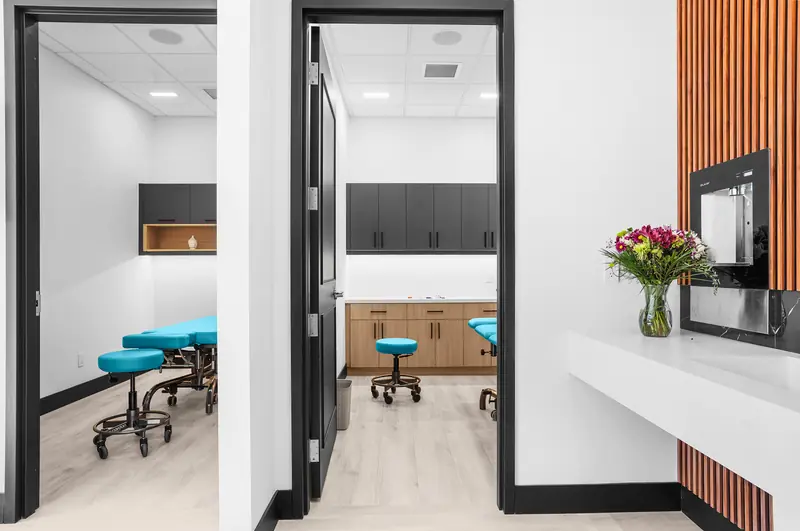
Success Stories from Our Patients
Jessica L.
Hamilton
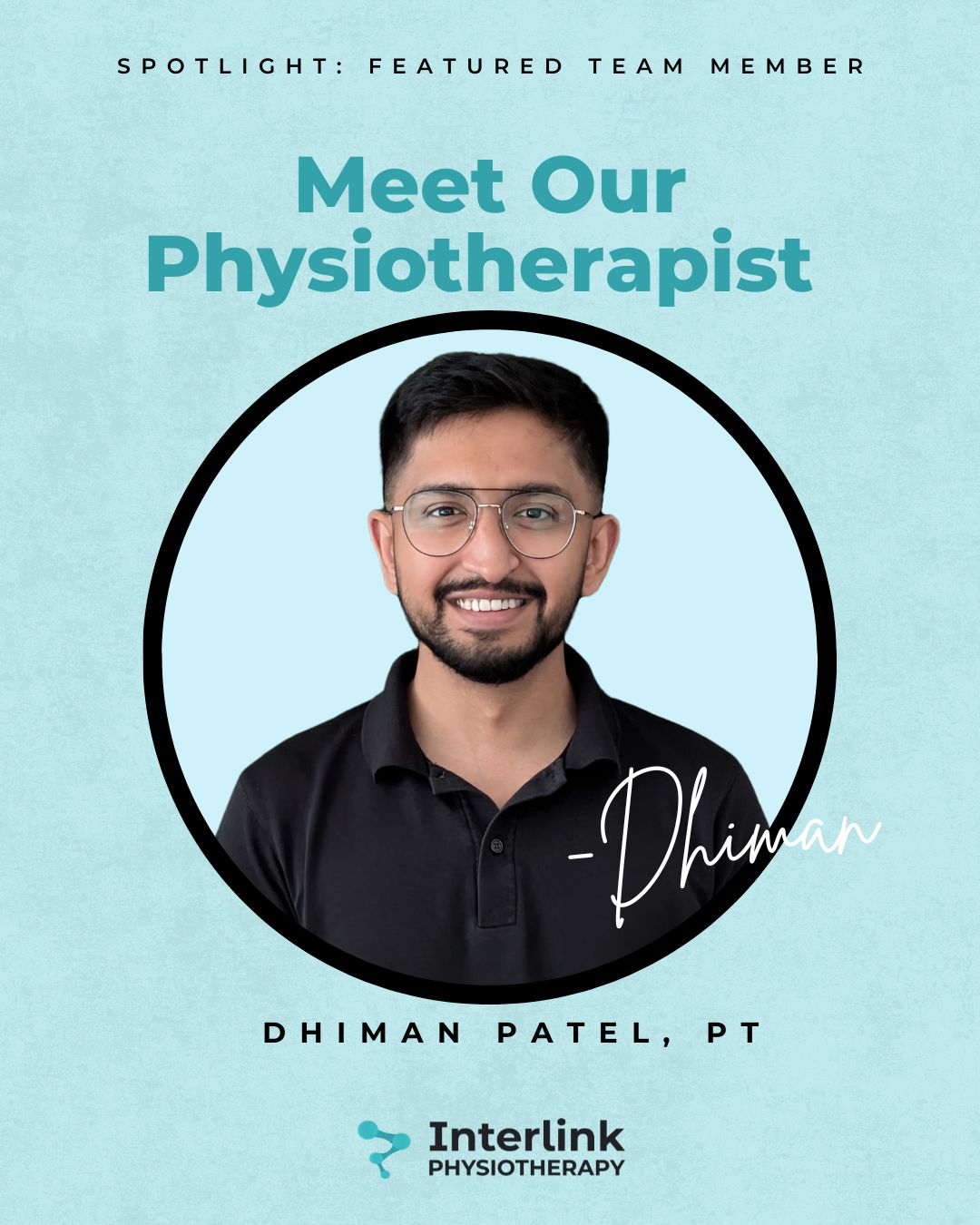
"I was skeptical about physiotherapy, but Dhiman's approach was a game-changer. He didn't just treat my knee, he taught me how to prevent the pain from coming back. I'm back to running without fear!"
Mark S.
Ancaster
"The one-on-one attention makes all the difference. Dhiman identified issues with my hip strength that no one else had caught. The plan was clear and effective. Highly recommend."
Emily R.
Hamilton
"I finally understand my pain and have the tools to manage it. The clinic is modern, and Dhiman is incredibly knowledgeable and supportive. A fantastic experience."
Our 4-Step Patellofemoral Pain Recovery Plan
Comprehensive Biomechanical Assessment
We analyze your entire movement chain — from your feet to your hips and core — to identify the specific biomechanical faults and muscle imbalances (like weak hips or overpronation) that are causing excessive stress on your kneecap.
Targeted Hip & Quadriceps Strengthening
Research overwhelmingly shows that strengthening the hip abductors, extensors, and quadriceps is the most effective treatment for patellofemoral pain. We provide a progressive, evidence-based exercise program tailored to your specific deficits.
Manual Therapy & Taping
We use hands-on techniques to improve patellar mobility, release tight surrounding tissues (like the IT band and quadriceps), and may use taping techniques to immediately reduce pain and improve kneecap tracking during movement.
Running & Activity Modification
We don't just tell you to stop running. We analyze your running form and provide specific cues and load management strategies (adjusting frequency, intensity, or duration) to allow you to continue training safely while you recover.
Your First Visit: What to Expect
Your first appointment is a 45-minute comprehensive assessment where we establish a clear diagnosis and create a personalized treatment plan.
1. Detailed History
We listen to your story to understand your pain, activity levels, and goals.
2. Movement Assessment
We assess your knee, hips, and feet to identify biomechanical issues and strength deficits.
3. Treatment & Plan
We provide hands-on treatment for initial relief and give you a clear plan with home exercises.
How Physiotherapy Compares
Physiotherapy
Pros: Addresses the root cause (hip weakness, poor biomechanics), provides long-term relief, empowers self-management.
Cons: Requires active patient participation and consistency with exercises.
Rest & Ice
Pros: Can temporarily reduce acute pain and inflammation.
Cons: Does not fix the underlying mechanical issue; pain almost always returns when activity is resumed.
Knee Braces / Straps
Pros: May offer temporary pain relief during activity for some individuals.
Cons: Acts as a 'band-aid', does not correct the strength or movement deficits causing the problem.
Injections (e.g., Cortisone)
Pros: Can provide strong short-term anti-inflammatory effects.
Cons: Does not address the cause, risks tissue damage with repeated use, and effects are often temporary.
Frequently Asked Questions
While many patients feel significant improvement within 6–8 weeks of structured physiotherapy, complete resolution can take 3–12 months. This is especially true for those with long-standing symptoms. Consistency with your home exercise program is the most critical factor for a successful outcome.
In most cases, yes. Complete rest is rarely the answer. The key is appropriate load management. A 2016 systematic review in the BJSM found that continuing activity with careful pain monitoring and load modification leads to outcomes that are as good as, or better than, complete rest.
This is the classic 'movie-goer's sign'. Keeping the knee bent for a long time increases the compression force between your kneecap and thigh bone (femur). When the joint is irritated, this sustained compression causes pain. It's a hallmark feature of the condition and typically resolves with successful rehab.
No. Patellofemoral pain is a clinical diagnosis based on your history and a physical examination. Imaging is rarely helpful and not needed to start effective treatment. A thorough clinical assessment is far more valuable for identifying the contributing factors.
Ready to Start Your Recovery?
Don't let knee pain control your life. Book your initial assessment today and get a clear, effective plan to get back to the activities you love.
Expert care for your injury · No referral needed · Direct billing available
Related Conditions We Treat
Pain and movement are complex. Often, knee issues are related to problems elsewhere. We treat the whole person, not just the symptom.
IT Band Syndrome
A common cause of lateral knee pain in runners, often related to similar hip muscle imbalances.
Learn MoreHip Pain
Hip weakness is a primary driver of patellofemoral pain. Addressing hip function is key to recovery.
Learn MoreRunning Injuries
We provide comprehensive care for all running-related injuries, from assessment to return-to-sport planning.
Learn MoreReferences
- Crossley KM, Stefanik JJ, Selfe J, et al. 2016 Patellofemoral pain consensus statement from the 4th International Patellofemoral Pain Research Retreat. British Journal of Sports Medicine. 2016.
- Nascimento LR, Teixeira-Salmela LF, Souza RB, et al. Hip and knee strengthening is more effective than knee strengthening alone for reducing knee pain. Journal of Orthopaedic and Sports Physical Therapy. 2018.
- Lack S, Barton C, Sohan O, et al. Proximal muscle rehabilitation is effective for patellofemoral pain: a systematic review with meta-analysis. British Journal of Sports Medicine. 2015.
- Willy RW, Hoglund LT, Barton CJ, et al. Patellofemoral pain. Journal of Orthopaedic and Sports Physical Therapy. 2019.
- Barton CJ, Lack S, Hemmings S, et al. The best practice guide to conservative management of patellofemoral pain. British Journal of Sports Medicine. 2015.
All references can be independently verified at pubmed.ncbi.nlm.nih.gov