Physiotherapy for Shin Splints in Ancaster & Hamilton
Shin splints stopping you from running? Our evidence-based approach gets to the root of medial tibial stress syndrome (MTSS) to help you return to activity pain-free and prevent it from coming back.
Do You Have Shin Splints?
Shin splints, or Medial Tibial Stress Syndrome (MTSS), is a common overuse injury, especially among runners. It involves pain along the inside of the tibia (shinbone) due to repetitive stress where muscles attach to the bone. Look for these common signs:
Pain You Shouldn't Ignore
It's crucial to distinguish shin splints from a tibial stress fracture, which requires more cautious management. If you have sharp, localized pain (you can point to it with one finger), significant pain when hopping, or pain at rest, see a healthcare professional for an accurate diagnosis. Pushing through the pain of a stress fracture can lead to a full break.
An Evidence-Based Approach to Recovery
Effective treatment for shin splints goes beyond just rest. Research in the British Journal of Sports Medicine emphasizes a multi-faceted approach. Successful recovery and prevention depend on identifying and addressing the underlying causes — not just managing symptoms.
At Interlink Physiotherapy, we use a systematic process to build your running capacity. This involves strengthening weak muscles (like the hips and calves), managing training loads to allow for tissue adaptation, and refining your running biomechanics. This evidence-based strategy is the key to getting you back on the road and preventing future injuries.
Book My Assessment
Helping Ancaster & Hamilton Runners Get Back on Track
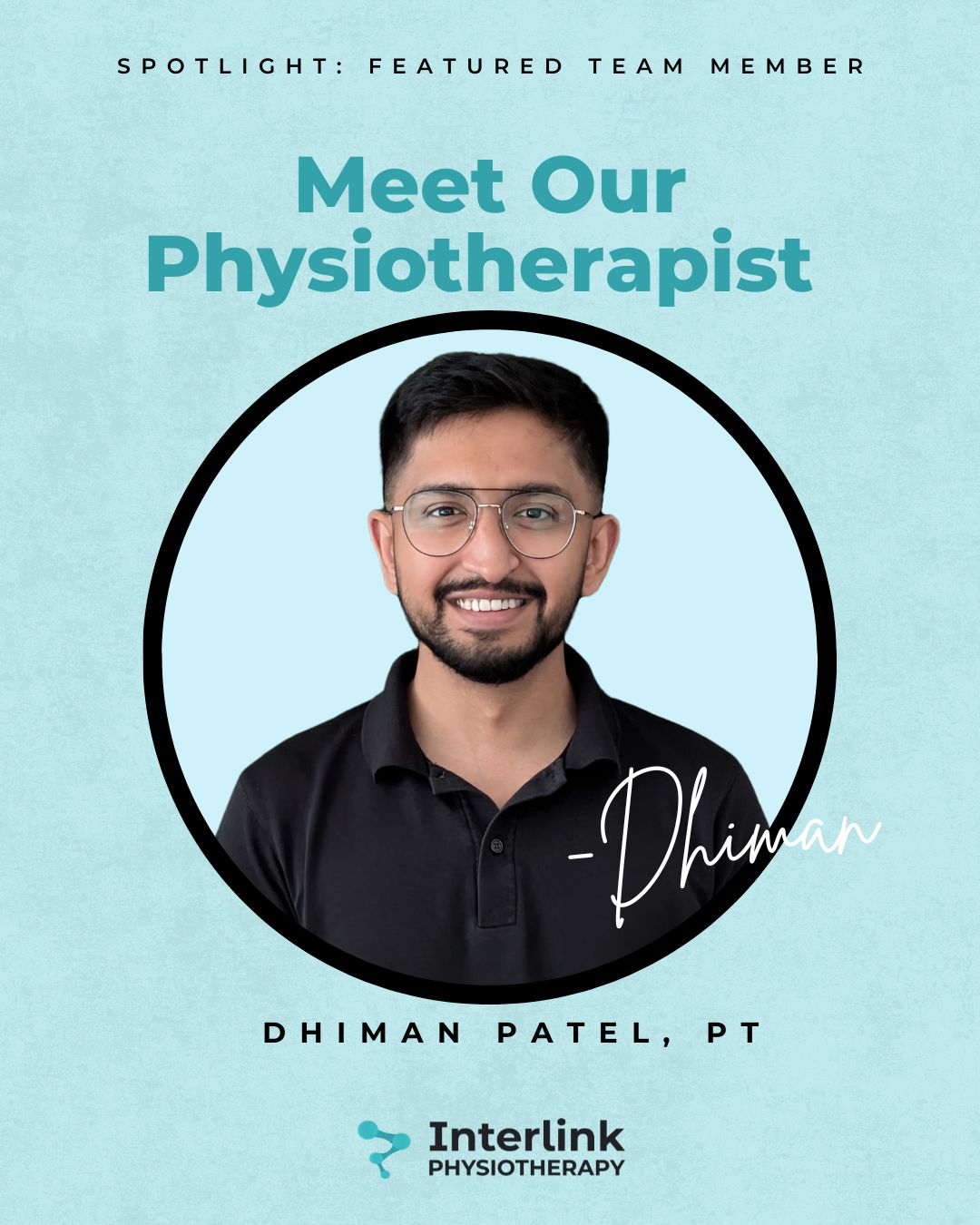
"I came in with a running injury and Dhiman got me back on my feet. The assessment was thorough and the treatment plan was clear. I felt supported throughout the whole process."
Jessica V.
Hamilton — Running Injury
"They don't just treat the pain — they actually give you the tools to get stronger and prevent it from coming back. Highly recommend for anyone active."
Mark S.
Ancaster — Sports Injury
"My pain went from 8/10 to 0/10 with Dhiman's help. The clinic is clean, fresh, and appointments are always on time. I will absolutely come back. Wonderful experience from start to finish."
Elissa W.
Ancaster — Pain Relief
Our 4-Step Shin Splint Recovery Plan
We follow a clear, structured plan to not only resolve your shin pain but also make you a more resilient runner. Here’s how we do it:
Biomechanical Running Assessment
We analyze your running form, footwear, and training history to pinpoint the root causes of tibial overload, such as excessive foot pronation, hip muscle weakness, or rapid increases in mileage.
Strategic Load Management
We develop a personalized plan to modify your training load — not just complete rest. This allows the bone to adapt and strengthen, reducing the risk of recurrence when you return to running.
Targeted Manual Therapy & Exercise
We use hands-on techniques to release tight calf muscles and improve tissue mobility, combined with a specific exercise program to strengthen key areas like your hips, core, and feet.
Progressive Return-to-Run Program
Once symptoms settle, we guide you through a gradual, pain-free return to running, ensuring your body is resilient and prepared for the demands of your sport.
Your First Visit: What to Expect
Your recovery starts with a clear plan. Here’s what your initial assessment will look like.
1. Comprehensive History
We listen to your story to understand your pain, training history, and goals. This helps us identify contributing factors and tailor the assessment.
2. Full-Body Assessment
We assess your movement, strength, and biomechanics to find the root cause of the problem — not just where it hurts. For runners, this often includes a running gait analysis.
3. Diagnosis & Plan
You'll leave with a clear diagnosis in plain language and a step-by-step treatment plan. You'll know what’s wrong, how we'll fix it, and what you need to do.
Treatment Options for Shin Splints
Physiotherapy
Pros:
Addresses root cause, builds long-term resilience, prevents recurrence, guided return-to-sport
Cons:
Requires active participation and adherence to program
Recommended First-Line Treatment
Complete Rest
Pros:
Temporarily reduces pain
Cons:
Does not address underlying cause, high rate of recurrence upon return to activity, loss of fitness
Stretching Alone
Pros:
May provide temporary relief for tight muscles
Cons:
Insufficient to address bone stress, biomechanics, or strength deficits that cause shin splints
Painkillers
Pros:
Can mask pain to allow activity
Cons:
Masking pain can lead to a more severe injury like a stress fracture; does not fix the problem
Frequently Asked Questions
In the early stages, modified running with reduced volume and intensity is often possible and preferable to complete rest. As the condition progresses, a period of no running may be necessary. Your physiotherapist will provide specific guidance based on your assessment.
A key difference is the type of pain. Shin splints (MTSS) typically cause diffuse pain over a larger area, while a stress fracture often has a very specific, focal point of tenderness. Pain from a stress fracture is also more likely to be present at rest. If a stress fracture is suspected, imaging is required for confirmation.
Most cases of MTSS resolve within 6–12 weeks of structured physiotherapy and proper load management. The key to preventing recurrence is addressing the underlying biomechanical drivers, as simply resting often leads to high recurrence rates.
The most common causes are a combination of factors, including rapid increases in training load, excessive foot pronation (flat feet), hip muscle weakness, running on hard surfaces, and inadequate footwear. A comprehensive assessment is key to identifying your specific contributing factors.
Ready to Run Pain-Free?
Don't let shin splints sideline you. Book your comprehensive assessment today and get a clear plan to return to the activities you love.
Expert care for your injury · No referral needed · Direct billing available
Not sure yet? Take our free 2-min quiz — a physio will review your answers and reach out.
Related Running Injuries We Treat
Running injuries are often interconnected. Addressing related issues is key to a full recovery.
Achilles Tendinopathy
Pain and stiffness in the Achilles tendon, common in runners and active individuals.
Learn MorePlantar Fasciitis
Heel pain caused by inflammation of the tissue band connecting the heel to the toes.
Learn MoreIT Band Syndrome
Pain on the outside of the knee, often seen in runners, caused by irritation of the iliotibial band.
Learn MoreReferences
- Moen MH, Tol JL, Weir A, et al. Medial tibial stress syndrome: a critical review. Sports Medicine. 2009.
- Galbraith RM, Lavallee ME. Medial tibial stress syndrome: conservative treatment options. Current Reviews in Musculoskeletal Medicine. 2009.
- Newman P, Witchalls J, Waddington G, et al. Risk factors associated with medial tibial stress syndrome in runners: a systematic review and meta-analysis. Open Access Journal of Sports Medicine. 2013.
- Winters M, Eskes M, Weir A, et al. Treatment of medial tibial stress syndrome: a systematic review. Sports Medicine. 2013.
All references can be independently verified at pubmed.ncbi.nlm.nih.gov