Physiotherapy for Thoracic Back Pain
Mid-back stiffness, pain between the shoulder blades, or aching that worsens with sitting and desk work — thoracic back pain is a common but undertreated complaint. Evidence-based physiotherapy at our Ancaster clinic gets to the root cause and resolves it.
Book My AssessmentIs This What You're Feeling?
Thoracic back pain often manifests as:
Aching or stiffness between the shoulder blades
Pain that worsens with prolonged sitting or desk work
Sharp pain with rotation, deep breathing, or reaching
Muscle tightness across the upper and mid-back
Referred pain or pressure around the ribcage
Headaches originating from the upper back
Reduced ability to rotate the trunk
Pain that eases with movement but returns with sustained postures
Evidence-Based Thoracic Pain Treatment
That persistent ache between the shoulder blades is often a sign of joint stiffness and postural strain. The thoracic spine, where your ribs attach, is designed for stability but needs mobility to support your neck, shoulders, and lower back. When it gets stiff from desk work or sedentary habits, the effects can ripple outward, causing neck pain, shoulder issues, and even headaches.
Our approach is grounded in clinical evidence. A systematic review in the Journal of Orthopaedic and Sports Physical Therapy found that thoracic spinal manipulation provides significant, rapid pain relief. We combine this hands-on therapy with targeted exercises to correct the underlying muscle imbalances and postural patterns that cause the pain to return.
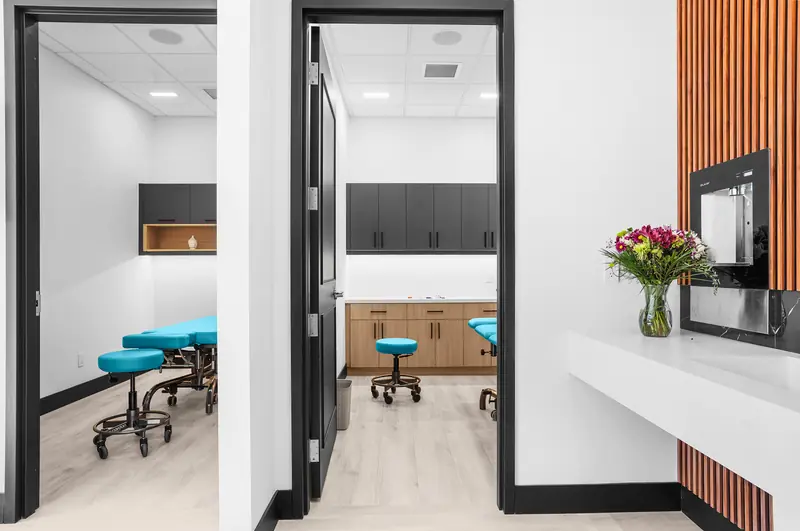
Relief from Persistent Back & Neck Pain
See what our patients in Ancaster & Hamilton are saying.
Elissa W.
Ancaster
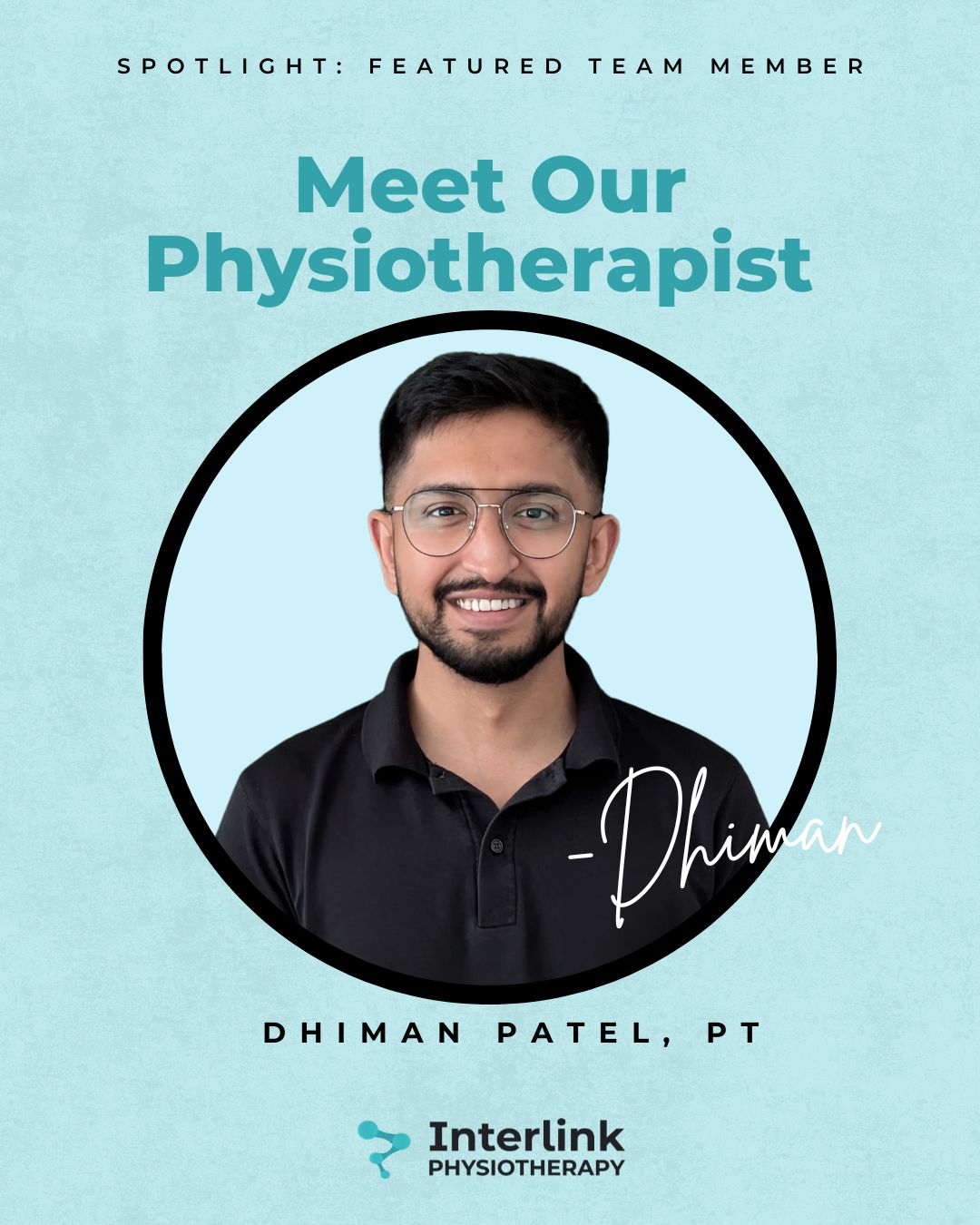
"My pain went from 8/10 to 0/10 with Dhiman's help. The clinic is clean, fresh, and appointments are always on time. I will absolutely come back. Wonderful experience from start to finish."
Shan Kapoor
Ancaster
"They don't just treat the pain — they actually give you the tools to get stronger and prevent it from coming back. Highly recommend for anyone active."
David Austin O.
Hamilton
"I started my rehabilitation with Interlink a week ago and I've seen significant improvements already! Very clean and organized, friendly, helpful, and I will continue working with them till my full recovery."
Our 3-Step Process for Lasting Relief
Comprehensive Thoracic Assessment
We identify the true driver of your mid-back pain—be it joint stiffness from postural loading, rib dysfunction, or muscle imbalances—to create a targeted and effective treatment plan.
Hands-On Manual Therapy
We use evidence-based joint and rib mobilization techniques to restore mobility, decrease pain, and improve function. Research shows thoracic manipulation provides rapid relief, often within 1-2 sessions.
Targeted Exercise & Postural Retraining
We prescribe specific exercises to strengthen weak postural muscles and provide ergonomic advice to address the root cause, ensuring long-term relief and preventing recurrence.
Your Path to a Pain-Free Back
A clear, structured plan for your recovery journey.
Initial Assessment
A thorough 60-minute one-on-one evaluation to diagnose the root cause of your pain and establish clear recovery goals.
Hands-On Treatment
Personalized 30-minute sessions of manual therapy, targeted exercises, and education to reduce pain and restore function.
Long-Term Empowerment
We equip you with a home exercise program and the knowledge to manage your condition independently and prevent future episodes.
Why Physiotherapy is the Right Choice
Comparing treatment options for thoracic back pain.
Physiotherapy
Pros: Addresses root cause (stiffness, weakness), provides long-term strategies, evidence-based for thoracic pain.
Cons: Requires active participation and consistency with exercises.
Massage Therapy
Pros: Provides temporary relief from muscle tightness.
Cons: Does not address underlying joint restrictions or weakness, benefits are often short-lived.
Chiropractic
Pros: Can provide joint adjustments for temporary mobility improvements.
Cons: May not include soft tissue work, exercise prescription, or postural retraining for a complete solution.
Rest Alone
Pros: Brief rest may calm acute inflammation.
Cons: Leads to increased stiffness, muscle deconditioning, and delayed recovery. Does not solve the problem.
Frequently Asked Questions
Answers to common questions about thoracic back pain.
Most patients with thoracic back pain driven by joint stiffness and postural dysfunction see significant improvement within 4–6 sessions. Acute episodes often respond faster — sometimes within 1–3 sessions. Chronic stiffness may require a longer course combined with consistent home exercise.
Ready to Address Your Mid-Back Pain?
Book your comprehensive assessment today and take the first step towards lasting relief from thoracic back pain.
Expert care for your injury · No referral needed · Direct billing available
We Treat the Whole Picture
Thoracic pain is often linked to other issues. We can help.
Neck Pain
Thoracic stiffness is a primary driver of neck pain and headaches. Improving mid-back mobility is key to lasting neck relief.
Learn MoreShoulder Impingement
A stiff thoracic spine limits shoulder blade movement, often leading to impingement. We treat the whole kinetic chain.
Learn MorePostural Dysfunction
The thoracic spine is central to posture. We provide targeted exercises and education to correct postural habits.
Learn MoreReferences
- Briggs, A. M., et al. (2017). Thoracic spine pain in the general population: prevalence, incidence and associated factors in children, adolescents and adults. A systematic review. BMC Musculoskeletal Disorders, 18(1), 1-15.
- Cleland, J. A., et al. (2012). A clinical prediction rule to identify patients with neck pain likely to benefit from thoracic spine thrust manipulation and a general cervical range of motion exercise: a multicenter randomized clinical trial. Journal of Orthopaedic & Sports Physical Therapy, 42(7), 591-603.
- Cleland, J. A., et al. (2009). Short-term effects of thoracic manipulation on lower trapezius muscle strength. Journal of Manual & Manipulative Therapy, 17(1), 3-8.