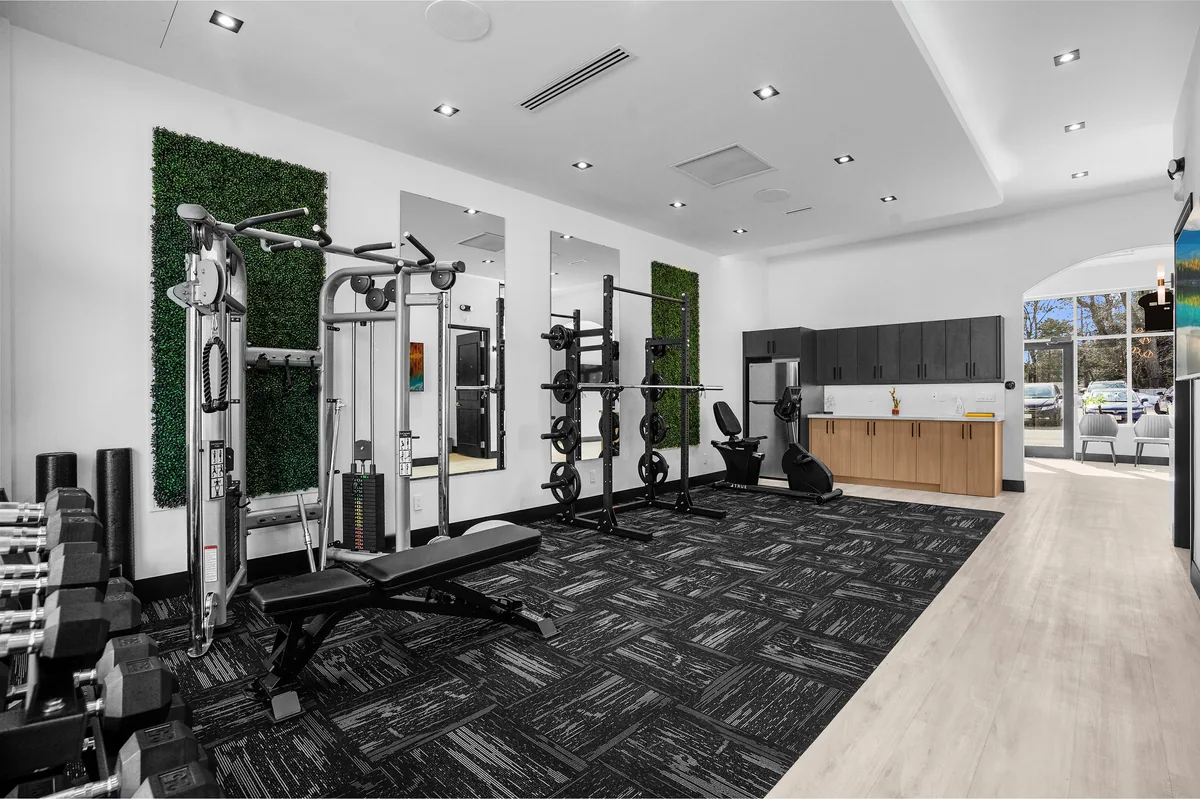
Neck Pain Physiotherapy in Ancaster and Hamilton
One on one physiotherapy for neck pain, whiplash and neck related headaches.
Do You Recognize These Symptoms?
When to seek immediate care:
If you experience sudden severe headache, loss of coordination, difficulty speaking, or progressive weakness in both arms or legs after a neck injury, seek emergency medical attention immediately.
If any of these sound familiar, you don't have to keep living with it.
Book OnlineThe Evidence Is Clear: Physiotherapy Works for Neck Pain
Neck pain is one of the leading causes of disability worldwide, affecting up to 70% of people at some point in their lives. Whether you're dealing with whiplash from a car accident, chronic tension from desk work, or cervicogenic headaches, physiotherapy is proven to be one of the most effective treatments available.
A 2015 Cochrane review found that cervical manipulation and mobilization combined with exercise produces clinically significant improvements in pain and function for mechanical neck disorders. The Bone and Joint Decade Task Force confirmed that manual therapy and exercise are effective for neck pain management.
"For patients with neck pain, a combination of cervical manipulation or mobilization with exercise is more effective than either alone for reducing pain and improving function."
Source: Gross et al., Cochrane Database of Systematic Reviews, 2015
At Interlink Physiotherapy, every treatment we provide aligns with current clinical guidelines. We combine hands-on manual therapy with targeted exercise to deliver the best possible outcomes.
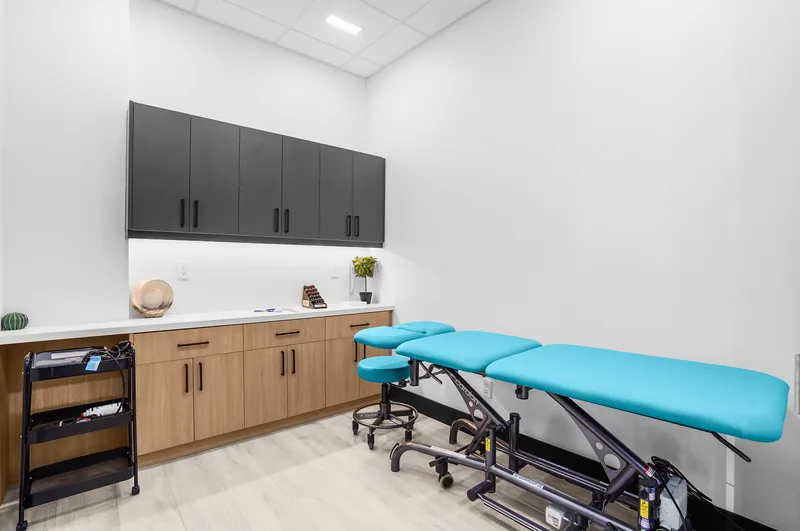
Real Patients, Real Recovery
Chris J.
The experience
"Very thorough assessment. I am very pleased with the attention to details and help recieved from this clinic. Very clean, welcoming environment. Friendly and helpful staff. Would definitely recommend to anyone."
Stephen L.
The experience
"A thorough and kind professional is dedicated to see his clients return to their activities without pain or risk of further injury. And a quality human being!"
Ashley F.
The experience
"My experience it interlink physiotherapy has been excellent. Dhiman Patel is very professional, knowledgeable, and supports his patients needs. I’ve seen significant improvement since starting treatment and would highly recommend them to anyone looking for quality physiotherapy care!"
How We Treat Neck Pain
Thorough Cervical Assessment
We perform a comprehensive assessment of your cervical spine, thoracic spine, and shoulder girdle to identify the exact source of your pain, whether it's a facet joint irritation, disc issue, nerve compression, or muscular tension pattern.
Personalized Treatment Plan
Based on your assessment findings, we create a clear plan with specific milestones. You'll know exactly what's causing your neck pain, what we're doing about it, and how long recovery should take.
Hands-On Manual Therapy
Gentle cervical joint mobilization, soft tissue release, and nerve mobilization techniques to reduce pain, restore range of motion, and improve cervical alignment. Most patients feel meaningful relief within the first few sessions.
Postural Correction & Strengthening
Deep neck flexor retraining, scapular stabilization, and ergonomic education to address the underlying postural factors that contribute to neck pain, especially 'tech neck' from prolonged screen use.
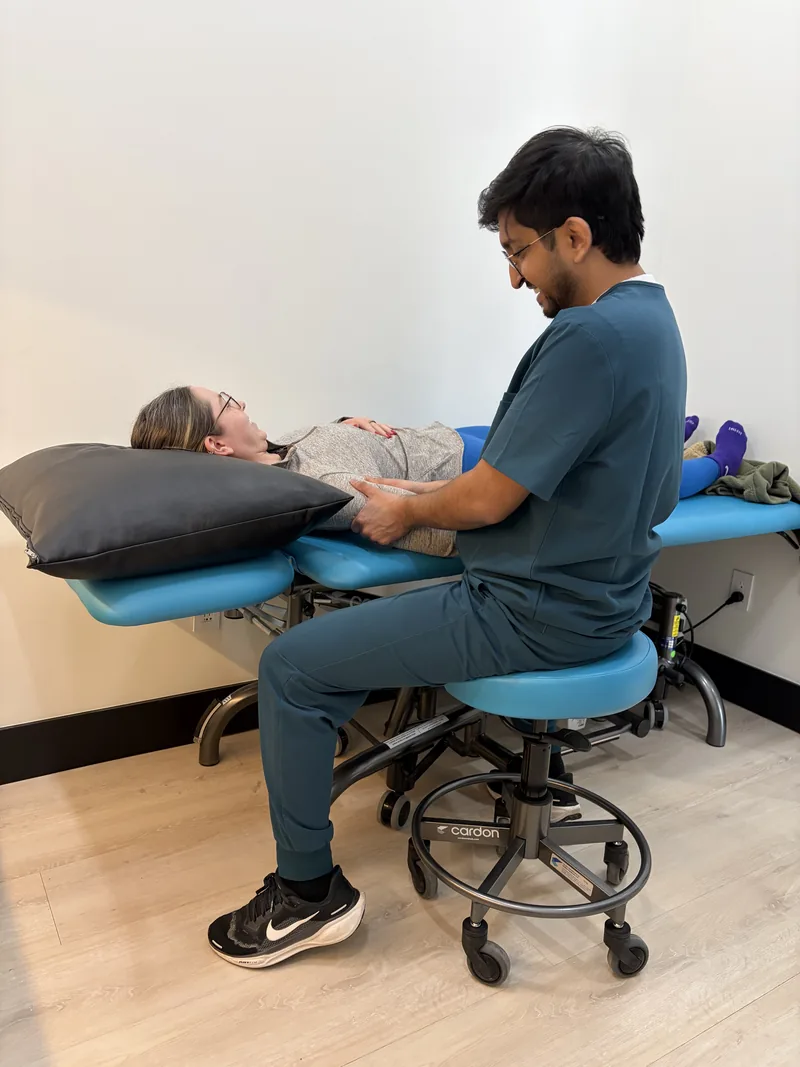
Dhiman Patel, MScPT · Registered Physiotherapist
Your Path to Recovery
Book Online
Schedule your 60-minute initial assessment online. No referral needed. We'll have you in within the week.
Get Your Personalized Plan
Your physiotherapist performs a thorough cervical assessment, explains exactly what's causing your pain, and builds a clear treatment plan with specific milestones.
Start Your Recovery
Begin hands-on treatment and targeted exercises. Most patients with neck pain feel meaningful improvement within the first few sessions.
Physiotherapy vs. Other Options
Clinical guidelines recommend manual therapy and exercise as first-line treatment for neck pain. Here's how physiotherapy compares.
Physiotherapy
RecommendedBenefits
Addresses root cause, corrects posture and movement patterns, builds long-term resilience, a very low risk of side effects
Limitations
Requires active participation and multiple sessions
Medication
Benefits
Quick symptom relief for acute flare-ups and muscle spasms
Limitations
Does not address underlying cause, risk of dependency, side effects with prolonged use
Injections
Benefits
May provide temporary relief for severe nerve-related pain
Limitations
Invasive, temporary effect, does not correct biomechanical causes, potential complications
Rest Alone
Benefits
Appropriate for first 24-48 hours of acute injury
Limitations
Prolonged rest worsens outcomes, deconditioning, increased stiffness, and delayed recovery
Frequently Asked Questions
Recovery timelines vary depending on the cause and duration of your neck pain. Many patients with acute neck pain see significant improvement within 3-5 sessions. Chronic conditions or whiplash injuries may require 8-12 sessions. During your initial assessment, your physiotherapist will give you a realistic timeline based on your specific situation.
Related Conditions
Back Pain
Lower and upper back pain often coexists with neck pain due to shared postural and movement dysfunction patterns.
Learn moreShoulder Pain
Neck and shoulder pain frequently overlap. Cervical nerve issues can refer pain into the shoulder and arm.
Learn moreSports Injuries
Contact sports, falls, and overhead activities can cause acute cervical injuries requiring specialized rehabilitation.
Learn moreClinically reviewed by Dhiman Patel, MScPT, Registered Physiotherapist. Updated September 2026.
References
- Gross A, et al. Manipulation and mobilisation for neck pain contrasted against an inactive control or another active treatment. Cochrane Database Syst Rev. 2015;(9):CD004249.
- Hurwitz EL, et al. Treatment of neck pain: noninvasive interventions. Results of the Bone and Joint Decade 2000-2010 Task Force. Spine. 2008;33(4S):S123-S152.
- Blanpied PR, et al. Neck Pain: Revision 2017. Clinical Practice Guidelines. J Orthop Sports Phys Ther. 2017;47(7):A1-A83.
- Puentedura EJ, et al. Safety of cervical spine manipulation. J Man Manip Ther. 2012;20(2):66-74.
- Côté P, et al. Management of neck pain and associated disorders: A clinical practice guideline from OPTIMa. Eur Spine J. 2016;25(7):2000-2022.
- Jull G, et al. A randomized controlled trial of exercise and manipulative therapy for cervicogenic headache. Spine. 2002;27(17):1835-1843.
- Sterling M, et al. Physical and psychological factors predict outcome following whiplash injury. Pain. 2005;114(1-2):141-148.