
Shoulder Pain Physiotherapy in Ancaster and Hamilton
One on one physiotherapy for rotator cuff injuries, frozen shoulder and impingement.
Do You Recognize These Symptoms?
When to seek immediate care:
If your shoulder is visibly deformed after an injury, you cannot move your arm at all, or you experience sudden severe pain with swelling, seek medical attention promptly. These may indicate a dislocation or acute fracture.
If any of these sound familiar, you don't have to keep living with it.
Book OnlineThe Evidence Is Clear: Physiotherapy Works for Shoulder Pain
Shoulder pain is the third most common musculoskeletal complaint, affecting up to 26% of the adult population. Whether you're dealing with a rotator cuff injury, frozen shoulder, or impingement syndrome, physiotherapy is proven to be one of the most effective treatments available.
A 2017 Lancet study found that physiotherapy was as effective as surgery for subacromial impingement syndrome. Multiple systematic reviews confirm that exercise-based rehabilitation produces excellent outcomes for rotator cuff tendinopathy and frozen shoulder, often avoiding the need for surgical intervention.
"Exercise therapy and manual therapy are effective first-line treatments for rotator cuff disorders and shoulder impingement, with outcomes comparable to surgical intervention."
Source: Steuri et al., British Journal of Sports Medicine, 2017
At Interlink Physiotherapy, every treatment we provide aligns with current clinical guidelines. We combine hands-on manual therapy with progressive strengthening to deliver the best possible outcomes for your shoulder.

Real Patients, Real Recovery
T. Bucalo
Shoulder & elbow
"I chose Interlink Physiotherapy based on glowing reviews and found them fully deserved. My doctor referred me for persistent shoulder pain spanning several months, which an ultrasound diagnosed as bursitis and tendinitis. Dhiman patiently outlined my recovery expectations and timeline, while attentively addressing my concurrent elbow injury. He crafted a tailored program that accelerated my healing, ensuring I never felt hurried or unheard."
Ashley F.
The experience
"My experience it interlink physiotherapy has been excellent. Dhiman Patel is very professional, knowledgeable, and supports his patients needs. I’ve seen significant improvement since starting treatment and would highly recommend them to anyone looking for quality physiotherapy care!"
Hailey H.
The experience
"Interlink Physiotherapy is fantastic! Dhiman is welcoming, professional, and truly cares about your recovery. He explained everything clearly and helped me heal quickly. Great clinic and great experience. I would highly recommend!"
How We Treat Shoulder Pain
Comprehensive Shoulder Assessment
We assess the entire shoulder complex, glenohumeral joint, scapula, thoracic spine, and rotator cuff, to identify the exact source of your pain and the contributing factors from your posture and movement patterns.
Personalized Treatment Plan
Based on your assessment findings, we create a clear plan with specific milestones. You'll know exactly what's causing your shoulder pain, what we're doing about it, and how long recovery should take.
Hands-On Manual Therapy
Joint mobilization, soft tissue release, and specialized techniques for frozen shoulder, impingement, and rotator cuff injuries to reduce pain and restore mobility. Most patients feel meaningful relief within the first few sessions.
Progressive Rehabilitation
Rotator cuff strengthening, scapular stabilization, and sport-specific exercises to rebuild shoulder function, prevent recurrence, and get you back to the activities you love.
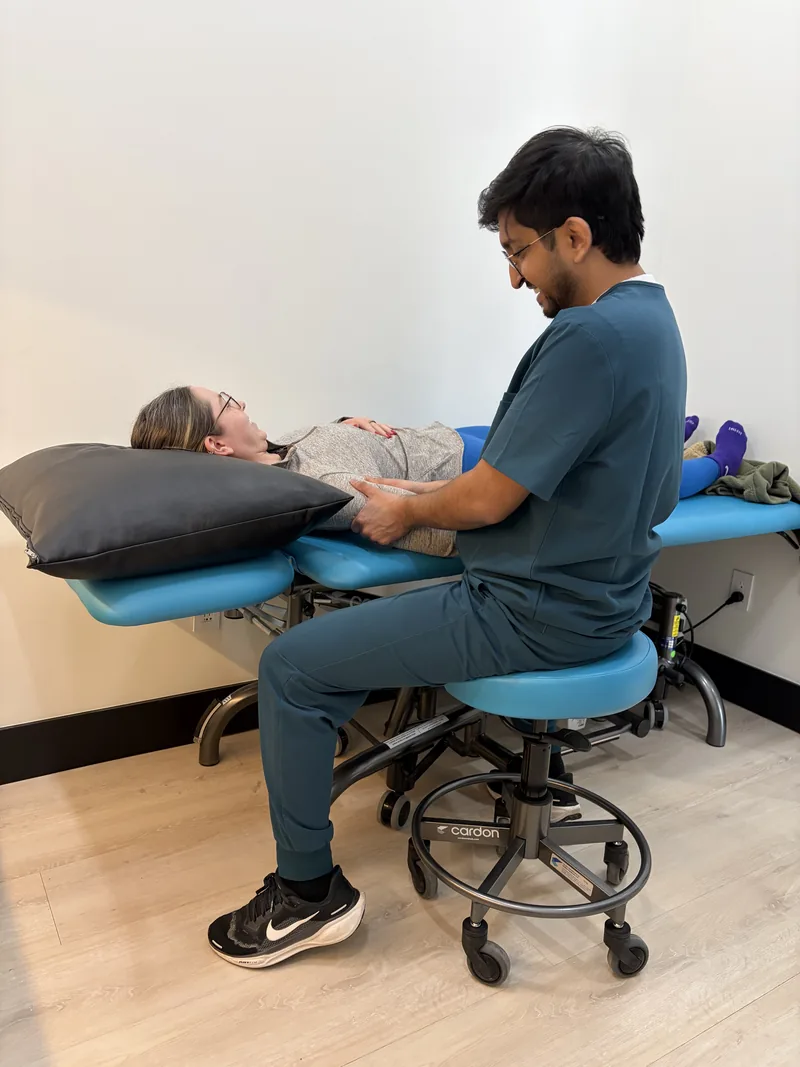
Dhiman Patel, MScPT · Registered Physiotherapist
Your Path to Recovery
Book Online
Schedule your 60-minute initial assessment online. No referral needed. We'll have you in within the week.
Get Your Personalized Plan
Your physiotherapist performs a thorough shoulder complex assessment, explains exactly what's causing your pain, and builds a clear treatment plan with specific milestones.
Start Your Recovery
Begin hands-on treatment and progressive rehabilitation. Most patients feel meaningful improvement within the first few sessions.
Physiotherapy vs. Other Options
Research shows physiotherapy is as effective as surgery for many shoulder conditions. Here's how it compares.
Physiotherapy
RecommendedBenefits
Addresses root cause, restores full function, prevents recurrence, a very low risk of side effects, effective for most shoulder conditions
Limitations
Requires active participation and multiple sessions
Cortisone Injections
Benefits
May provide short-term pain relief for severe inflammation
Limitations
Temporary effect (weeks to months), may weaken tendons with repeated use, does not address underlying cause
Surgery
Benefits
May be necessary for complete rotator cuff tears or recurrent dislocations
Limitations
Invasive, 3-6 month recovery, risk of complications, many conditions respond equally well to conservative care
Rest Alone
Benefits
Appropriate for first 24-48 hours of acute injury
Limitations
Prolonged rest leads to frozen shoulder, muscle atrophy, and significantly delayed recovery
Frequently Asked Questions
Recovery timelines vary by condition. Shoulder impingement often improves significantly within 4-6 sessions. Frozen shoulder typically requires 3-6 months of treatment. Rotator cuff tears may take 3-6 months depending on severity. During your initial assessment, your physiotherapist will give you a realistic timeline based on your specific situation.
Related Conditions
Neck Pain
Neck and shoulder pain frequently overlap. Cervical spine dysfunction can refer pain into the shoulder and arm.
Learn moreSports Injuries
Throwing, swimming, and contact sports can cause acute shoulder injuries requiring specialized rehabilitation.
Learn moreBack Pain
Thoracic spine stiffness and postural dysfunction can contribute to shoulder impingement and rotator cuff issues.
Learn moreClinically reviewed by Dhiman Patel, MScPT, Registered Physiotherapist. Updated September 2026.
References
- Steuri R, et al. Effectiveness of conservative interventions including exercise, manual therapy and medical management in adults with shoulder impingement. Br J Sports Med. 2017;51(18):1340-1347.
- Beard DJ, et al. Arthroscopic subacromial decompression for subacromial shoulder pain (CSAW): a multicentre, pragmatic, parallel group, placebo-controlled, three-group, randomised surgical trial. Lancet. 2018;391(10118):329-338.
- Kuhn JE. Exercise in the treatment of rotator cuff impingement: a systematic review and a synthesized evidence-based rehabilitation protocol. J Shoulder Elbow Surg. 2009;18(1):138-160.
- Page MJ, et al. Manual therapy and exercise for rotator cuff disease. Cochrane Database Syst Rev. 2016;6:CD012224.
- Kelley MJ, et al. Shoulder Pain and Mobility Deficits: Adhesive Capsulitis. Clinical Practice Guidelines. J Orthop Sports Phys Ther. 2013;43(5):A1-A31.
- Lewis J. Rotator cuff related shoulder pain: Assessment, management and uncertainties. Man Ther. 2016;23:57-68.