
Running Injury Physiotherapy in Ancaster and Hamilton
Runner's knee, IT band pain, plantar fasciitis and shin splints, with a return to run plan built for your body and your goals.
Do You Recognize These Symptoms?
When to seek immediate care:
If you experience sudden sharp pain with an audible pop, significant swelling within hours, or inability to bear weight, seek medical attention promptly. These may indicate a stress fracture, tendon rupture, or acute ligament injury.
If any of these sound familiar, don't just push through it. Let us help.
Book OnlineThe Evidence Is Clear: Physiotherapy Works for Running Injuries
Running injuries affect up to 79% of runners each year, with most caused by training errors, biomechanical deficits, or inadequate strength, not by running itself. The good news: these factors are modifiable, and physiotherapy is proven to be the most effective approach.
A 2020 systematic review in the British Journal of Sports Medicine confirmed that exercise-based rehabilitation, including hip and knee strengthening, is the most effective treatment for patellofemoral pain (runner's knee). Load management and progressive strengthening are also the gold standard for tendon injuries like Achilles tendinopathy and plantar fasciitis.
"Exercise therapy targeting the hip and knee is the most effective intervention for patellofemoral pain, with strong evidence supporting its use as first-line treatment."
Source: Collins et al., British Journal of Sports Medicine, 2018
At Interlink Physiotherapy, we combine evidence-based treatment with practical running knowledge. We don't just treat the injury, we fix the reason it happened.
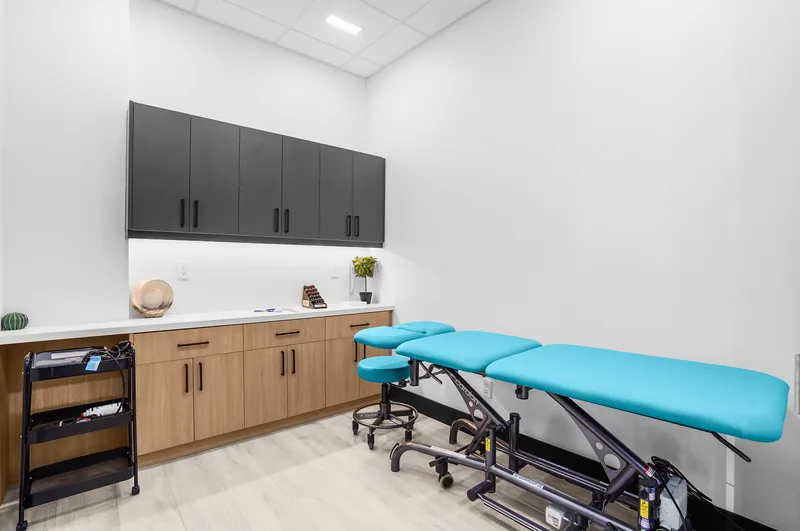
Real Patients, Real Recovery
Alex P.
Running injury
"I went for physiotherapy due to knee pain from a running injury. The treatment plan was structured and focused on proper recovery, not just short-term relief. My pain has reduced significantly, and I’m now able to run comfortably again. Highly recommend for sports-related injuries."
Grace T.
Ankle injury
"Super helpful and always very friendly! Went here for an ankle injury and found lots of improvement in the time I was here. They are also always on time and I have never had to wait. They’re in the Hamilton/Hamilton / Ancaster area, definitely check them out if you need physio!"
Collin
Knee injury
"Was very skeptical coming into this. I torn my meiniscus very badly and needed to build up the strength on my muscles around my knee. The physio dude is awesome the muscles around my knee started to gain strength and get better. I see a specialist need week and if I need surgery, I am in shape to recover alot faster now thanks to this place. The staff is awesome and this place gets a big thumb up for sure"
How We Treat Running Injuries
Running-Specific Assessment
We assess your entire kinetic chain, foot mechanics, hip strength, core stability, and running biomechanics, to identify the root cause of your injury, not just where it hurts. We understand runners and the demands of the sport.
Personalized Treatment Plan
Based on your assessment findings, we create a clear plan with specific milestones. You'll know exactly what's causing your injury, what we're doing about it, and when you can expect to return to running.
Hands-On Treatment
Joint mobilization, soft tissue release, and targeted manual therapy to reduce pain, improve tissue quality, and restore normal biomechanics. Most runners feel meaningful improvement within the first few sessions.
Return-to-Run Program
Progressive strengthening, load management, and a structured return-to-run protocol. We don't just get you pain-free, we address the underlying deficits that caused the injury so you can run stronger and stay injury-free.
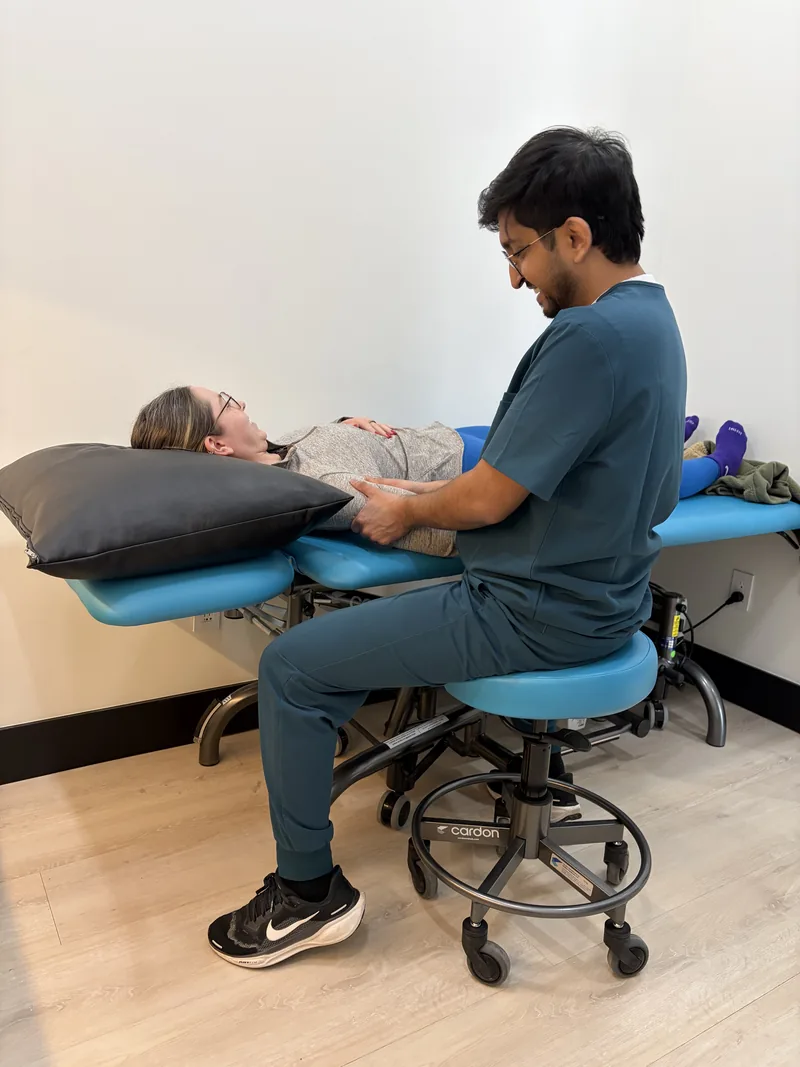
Dhiman Patel, MScPT · Registered Physiotherapist
Your Path to Recovery
Book Online
Schedule your 60-minute initial assessment online. No referral needed. We'll have you in within the week.
Get Your Personalized Plan
Your physiotherapist performs a thorough running-specific assessment, explains exactly what's causing your injury, and builds a clear treatment plan with a structured return-to-run protocol.
Return to Running
Progressive rehabilitation from pain management through running-specific strengthening. We'll get you back to running stronger and more resilient than before.
Physiotherapy vs. Other Options
Exercise-based rehabilitation is the gold standard for running injuries. Here's how physiotherapy compares to other approaches.
Physiotherapy
RecommendedBenefits
Addresses root cause, corrects biomechanical deficits, structured return-to-run, prevents recurrence, a very low risk of side effects
Limitations
Requires active participation and temporary training modifications
Medication
Benefits
Quick symptom relief for acute pain
Limitations
Does not address underlying cause, NSAIDs may impair tendon and bone healing, masks pain leading to further injury
Orthotics / Insoles
Benefits
May help with specific foot mechanics issues
Limitations
Does not address strength deficits or movement patterns, not effective for all running injuries, can create dependency
Complete Rest
Benefits
Reduces acute symptoms temporarily
Limitations
Deconditioning, loss of fitness, does not fix the underlying problem, injury often returns when running resumes
Frequently Asked Questions
Recovery timelines vary by injury type and severity. Many overuse injuries like runner's knee and IT band syndrome improve significantly within 3-6 sessions with proper treatment and load management. Stress fractures may require 6-8 weeks of modified activity. During your initial assessment, your physiotherapist will give you a realistic timeline and a clear return-to-run plan.
Related Conditions
Knee Pain
Runner's knee, IT band syndrome, and patellofemoral pain, among the most common running-related conditions.
Learn moreSports Injuries
Acute muscle strains, ligament sprains, and other injuries that can occur during running and cross-training.
Learn moreBack Pain
Lower back pain can affect running mechanics and is often linked to hip and core weakness patterns.
Learn moreClinically reviewed by Dhiman Patel, MScPT, Registered Physiotherapist. Updated September 2026.
References
- van Gent RN, et al. Incidence and determinants of lower extremity running injuries in long distance runners: a systematic review. Br J Sports Med. 2007;41(8):469-480.
- Collins NJ, et al. 2018 Consensus statement on exercise therapy and physical interventions to treat patellofemoral pain. Br J Sports Med. 2018;52(18):1170-1178.
- Lopes AD, et al. What are the main running-related musculoskeletal injuries? A systematic review. Sports Med. 2012;42(10):891-905.
- Silbernagel KG, et al. Continued sports activity, using a pain-monitoring model, during rehabilitation in patients with Achilles tendinopathy. Am J Sports Med. 2007;35(6):897-906.
- Rathleff MS, et al. Is hip strength a risk factor for patellofemoral pain? A systematic review and meta-analysis. Br J Sports Med. 2014;48(14):1088.
- Riel H, et al. Is 'load management' effective for tendinopathy? A systematic review and meta-analysis. BMJ Open Sport Exerc Med. 2019;5(1):e000622.