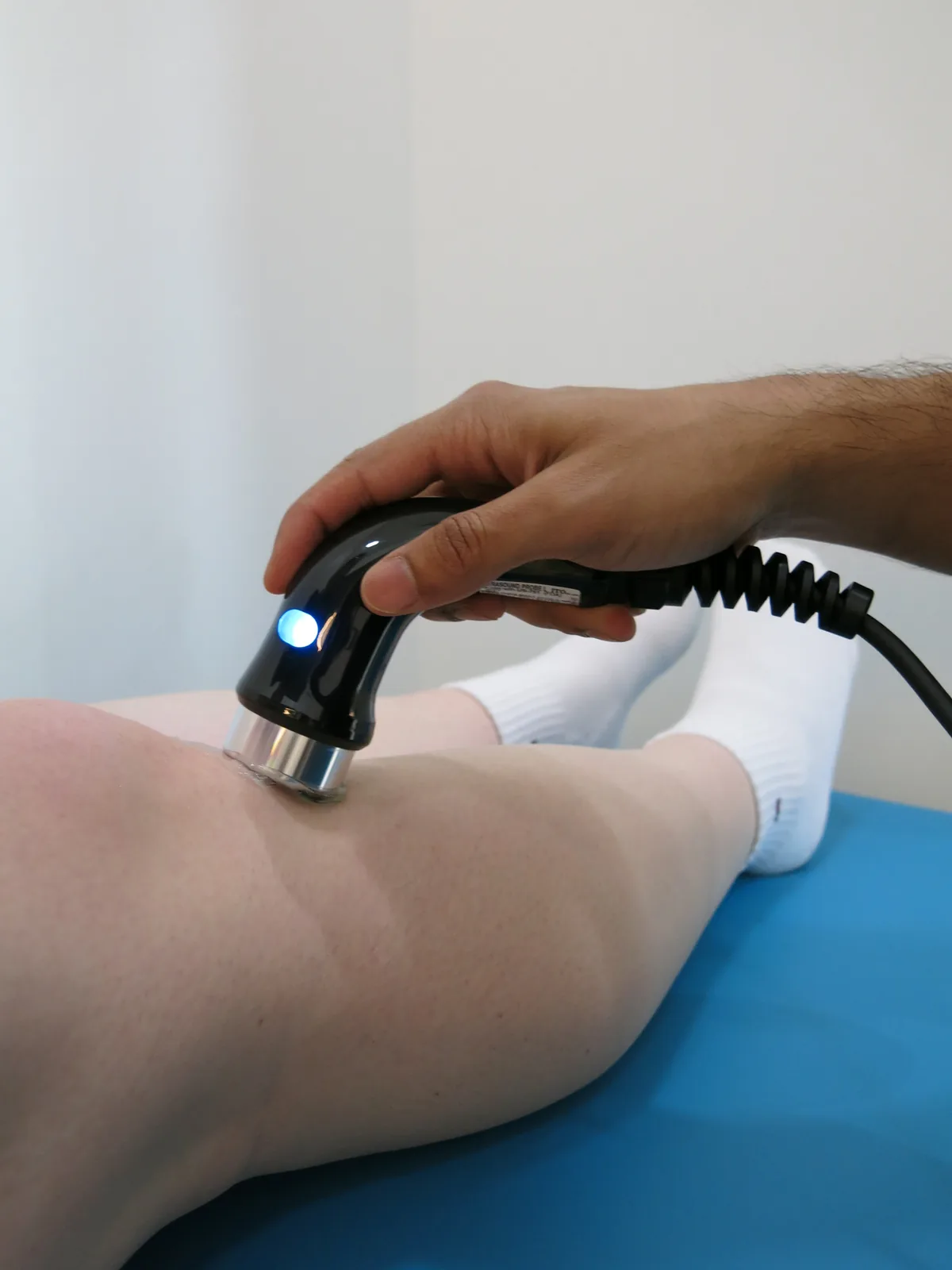
Knee Pain Physiotherapy in Ancaster and Hamilton
One on one physiotherapy for ACL injuries, runner's knee, meniscus problems and osteoarthritis.
Do You Recognize These Symptoms?
When to seek immediate care:
If your knee is severely swollen, you cannot bear weight, or the knee is visibly deformed after an injury, seek medical attention promptly. A locked knee that cannot fully straighten also warrants urgent assessment.
If any of these sound familiar, you don't have to keep living with it.
Book OnlineThe Evidence Is Clear: Physiotherapy Works for Knee Pain
Knee pain is one of the most common musculoskeletal complaints, affecting people of all ages and activity levels. Whether you're dealing with an acute sports injury, chronic patellofemoral pain, or knee osteoarthritis, physiotherapy is proven to be one of the most effective treatments available.
A landmark 2013 study in the New England Journal of Medicine found that physiotherapy was as effective as arthroscopic surgery for degenerative meniscus tears. The OARSI guidelines recommend exercise therapy as a core treatment for knee osteoarthritis, with evidence showing it reduces pain and improves function as effectively as NSAIDs, without the side effects.
"Exercise therapy is recommended as a core treatment for knee osteoarthritis. It reduces pain and improves physical function, with effects comparable to NSAIDs and analgesics."
Source: OARSI Guidelines for the Management of Knee Osteoarthritis, 2019
At Interlink Physiotherapy, every treatment we provide aligns with current clinical guidelines. We follow the evidence to deliver the best possible outcomes for your knee.
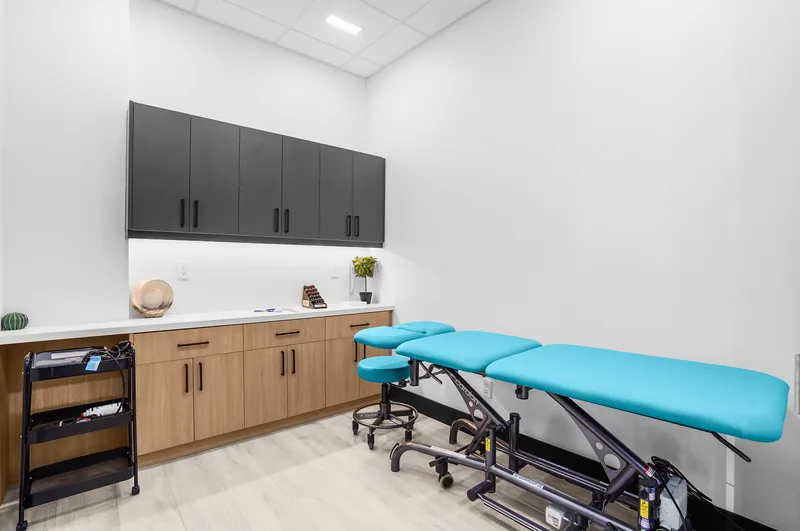
Real Patients, Real Recovery
Collin
Knee injury
"Was very skeptical coming into this. I torn my meiniscus very badly and needed to build up the strength on my muscles around my knee. The physio dude is awesome the muscles around my knee started to gain strength and get better. I see a specialist need week and if I need surgery, I am in shape to recover alot faster now thanks to this place. The staff is awesome and this place gets a big thumb up for sure"
C. Najmi
Knee injury
"Highly recommend. Dhiman and his staff are kind, professional, knowledgeable and accommodating. I had a knee injury and with his treatment over a couple of visits my injury has healed. The office is well-organized, clean and comfortable. I will be back and recommend my family and friends to visit."
Alex P.
Running injury
"I went for physiotherapy due to knee pain from a running injury. The treatment plan was structured and focused on proper recovery, not just short-term relief. My pain has reduced significantly, and I’m now able to run comfortably again. Highly recommend for sports-related injuries."
How We Treat Knee Pain
Comprehensive Knee Assessment
We assess not just the knee, but the entire lower limb chain, hip strength, foot mechanics, and movement patterns, to identify all contributing factors to your knee pain.
Personalized Treatment Plan
Based on your assessment findings, we create a clear, step-by-step plan with specific milestones. You'll know exactly what's causing your knee pain, what we're doing about it, and how long recovery should take.
Hands-On Manual Therapy
Joint mobilization, soft tissue techniques, and patellofemoral taping to reduce pain, improve joint mobility, and restore normal knee mechanics. Most patients feel meaningful relief within the first few sessions.
Progressive Strengthening
Targeted quadriceps, hamstring, glute, and hip abductor strengthening to stabilize and protect the knee, addressing the biomechanical deficits that caused the problem in the first place.
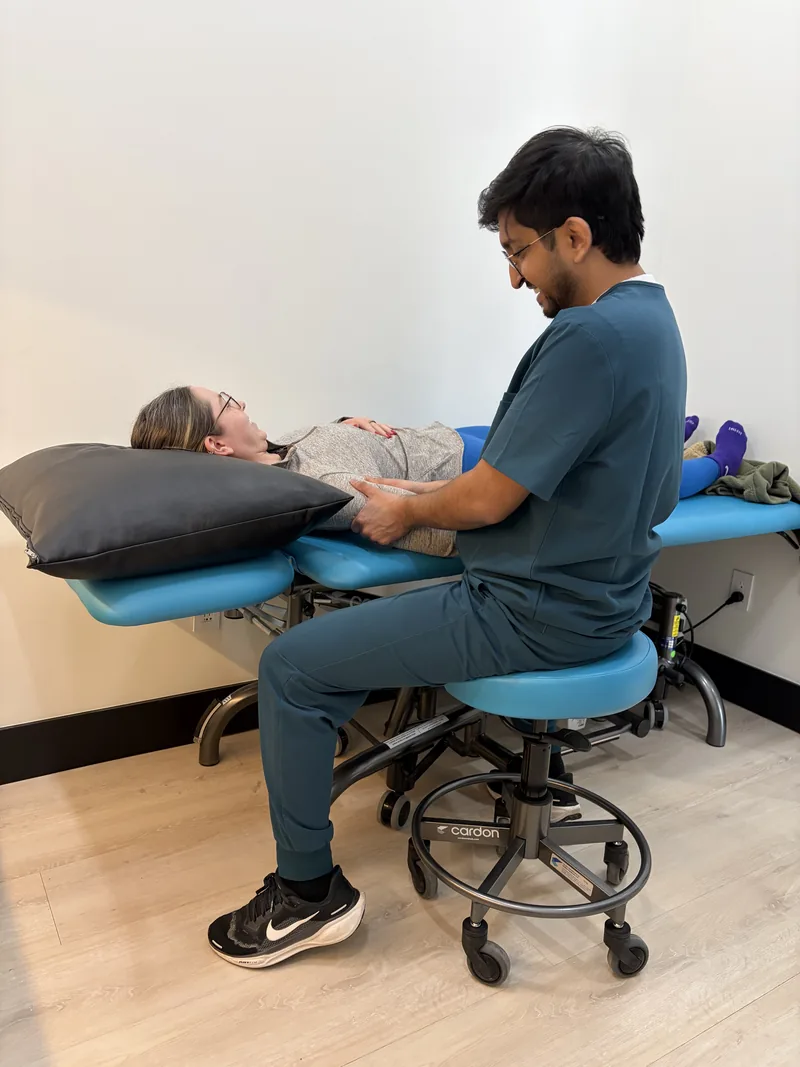
Dhiman Patel, MScPT · Registered Physiotherapist
Your Path to Recovery
Book Online
Schedule your 60-minute initial assessment online. No referral needed. We'll have you in within the week.
Get Your Personalized Plan
Your physiotherapist performs a thorough lower limb assessment, explains exactly what's causing your knee pain, and builds a clear treatment plan with specific milestones.
Start Your Recovery
Begin hands-on treatment and progressive strengthening. Most patients feel meaningful improvement within the first few sessions.
Physiotherapy vs. Other Options
Clinical guidelines recommend exercise therapy as a core treatment for knee conditions. Here's how physiotherapy compares.
Physiotherapy
RecommendedBenefits
Addresses root cause, builds strength and stability, prevents recurrence, a very low risk of side effects, guideline-recommended for knee OA
Limitations
Requires active participation and multiple sessions
Medication
Benefits
Quick symptom relief for acute pain and inflammation
Limitations
Does not address underlying cause, GI and cardiovascular side effects with prolonged NSAID use
Surgery
Benefits
May be necessary for complete ACL tears in athletes or severe end-stage osteoarthritis
Limitations
Invasive, long recovery (6-12 months for ACL), arthroscopic surgery for OA not recommended by guidelines
Rest Alone
Benefits
Appropriate for first 24-48 hours of acute injury
Limitations
Prolonged rest leads to muscle atrophy, joint stiffness, and delayed recovery
Frequently Asked Questions
Recovery timelines vary by condition. Patellofemoral pain often improves significantly within 4-6 sessions. ACL rehabilitation typically takes 9-12 months. Knee osteoarthritis management is ongoing but patients often see meaningful improvement within 4-8 sessions. During your initial assessment, your physiotherapist will give you a realistic timeline based on your specific situation.
Ready to Start Your Recovery?
Book your knee assessment at Interlink Physiotherapy in Ancaster. We'll build a personalized plan to restore your strength, stability, and confidence.
Expert care for your injury · No referral needed · Direct billing available
Our clinic serves Ancaster, Hamilton and Dundas.
Related Conditions
Running Injuries
Runner's knee, IT band syndrome, and other overuse injuries that commonly affect the knee in distance runners.
Learn moreSports Injuries
ACL tears, meniscus injuries, and other acute knee injuries from sports and physical activity.
Learn moreBack Pain
Lower back and hip dysfunction can alter knee biomechanics and contribute to knee pain.
Learn moreClinically reviewed by Dhiman Patel, MScPT, Registered Physiotherapist. Updated September 2026.
References
- Katz JN, et al. Surgery versus physical therapy for a meniscal tear and osteoarthritis. N Engl J Med. 2013;368(18):1675-1684.
- Bannuru RR, et al. OARSI guidelines for the non-surgical management of knee, hip, and polyarticular osteoarthritis. Osteoarthritis Cartilage. 2019;27(11):1578-1589.
- Fransen M, et al. Exercise for osteoarthritis of the knee. Cochrane Database Syst Rev. 2015;1:CD004376.
- Grindem H, et al. Simple decision rules can reduce reinjury risk by 84% after ACL reconstruction. Br J Sports Med. 2016;50(13):804-808.
- Crossley KM, et al. 2016 Patellofemoral pain consensus statement from the 4th International Patellofemoral Pain Research Retreat. Br J Sports Med. 2016;50(14):839-843.
- Skou ST, et al. A randomized, controlled trial of total knee replacement. N Engl J Med. 2015;373(17):1597-1606.
- Thorlund JB, et al. Arthroscopic surgery for degenerative knee: systematic review and meta-analysis. BMJ. 2015;350:h2747.