Concussion Physiotherapy in Hamilton & Ancaster
Still dealing with headaches, dizziness, or brain fog after a concussion? Evidence-based concussion rehabilitation at Interlink Physiotherapy can help you recover faster and get back to your life.
Do You Recognize These Symptoms?
Concussion symptoms can be subtle and vary widely. If you're experiencing any of the following after a head injury, physiotherapy can help.
When to Seek Emergency Care
If you experience worsening headache, repeated vomiting, seizures, increasing confusion, loss of consciousness, or weakness/numbness in the limbs after a head injury, go to the nearest emergency department immediately.
The Evidence Supports Active Rehabilitation
The days of "just rest in a dark room" are over. The 5th International Conference on Concussion in Sport (Berlin, 2017) established that early, active rehabilitation leads to better outcomes than prolonged rest.
A landmark study published in JAMA (2016) found that early participation in physical activity following acute concussion was associated with reduced risk of persistent post-concussive symptoms in children and adolescents.
Vestibular rehabilitation — a core component of our concussion program — has been shown in multiple systematic reviews to significantly reduce dizziness, improve balance, and accelerate return to normal activities.
Book My Assessment
What Our Patients Say
We help people in Ancaster and Hamilton recover from concussions and get back to their lives.
Sarah M.
Ancaster - Post-Concussion Syndrome
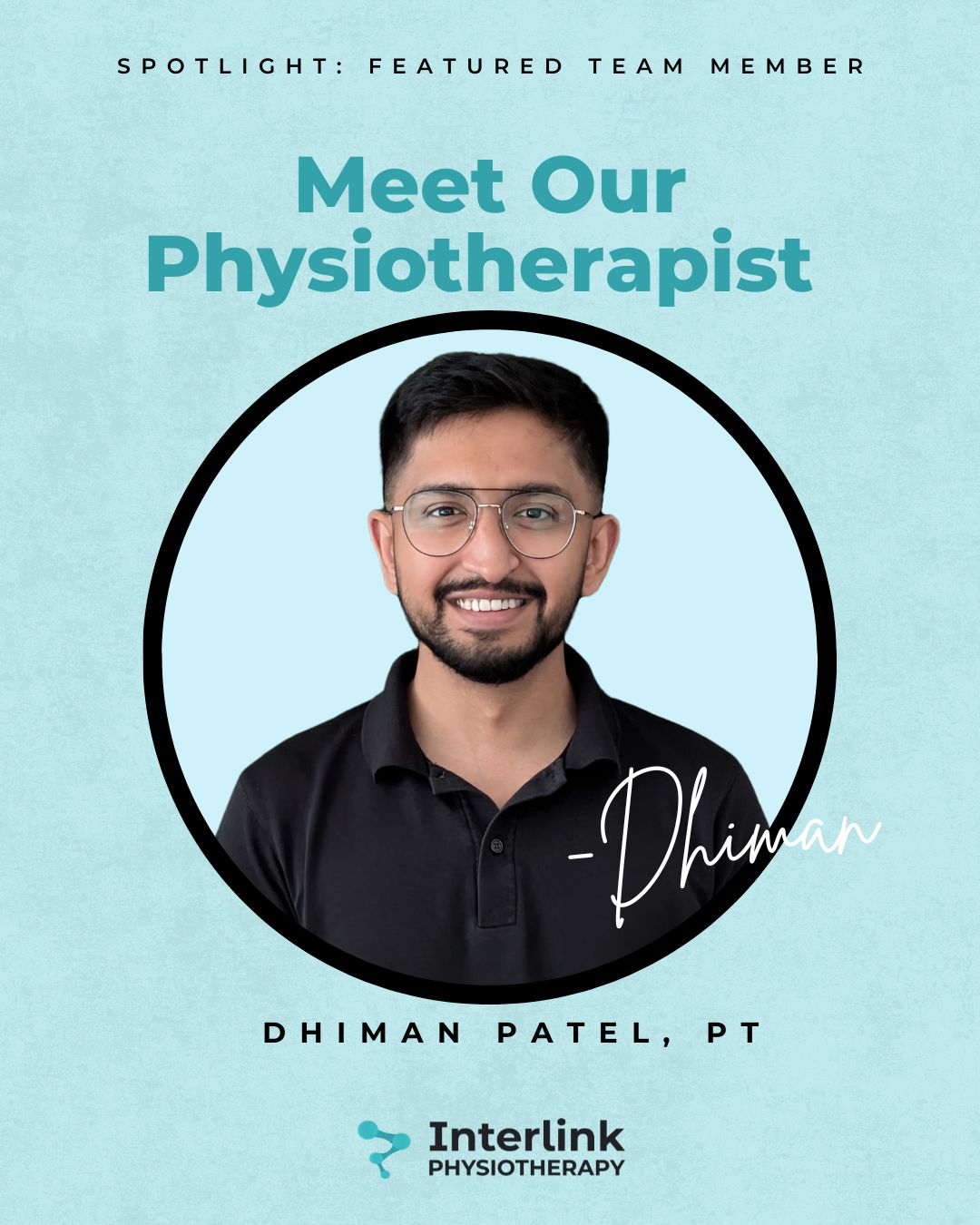
"After my concussion I was struggling with dizziness and headaches for weeks. Dhiman identified the specific issues and within a few sessions I was feeling so much better. Highly recommend."
Shan Kapoor
Ancaster - Sports Injury Recovery
"They don't just treat the pain — they actually give you the tools to get stronger and prevent it from coming back. Highly recommend for anyone active."
David Austin O.
Hamilton - Injury Rehabilitation
"I started my rehabilitation with Interlink a week ago and I've seen significant improvements already! Very clean and organized, friendly, helpful, and I will continue working with them till my full recovery."
How We Treat Concussions
Every concussion is different. Our systematic approach identifies exactly which systems are affected and targets them with evidence-based interventions.
Comprehensive Concussion Assessment
A thorough evaluation of your symptoms, cognitive function, vestibular and oculomotor systems, cervical spine, and balance. We identify which specific systems are affected to guide targeted treatment.
Vestibular & Oculomotor Rehabilitation
If dizziness, balance issues, or visual disturbances are present, we use evidence-based vestibular and oculomotor exercises to retrain these systems and reduce symptoms.
Graded Return-to-Activity Program
A structured, step-by-step protocol to safely return you to work, school, and sport. Based on the Berlin Consensus guidelines, we monitor symptoms at each stage to ensure safe progression.
Cervical Spine Treatment
The neck is frequently injured alongside a concussion. We assess and treat cervical dysfunction that may be contributing to headaches, dizziness, and prolonged recovery.
Your Recovery Journey
Here's what to expect when you start concussion rehabilitation with us.
Session 1: Assessment
A comprehensive evaluation of your symptoms, cognitive function, vestibular and oculomotor systems, cervical spine, and balance. You'll leave with a clear understanding of what's affected and a treatment plan.
Sessions 2-4: Targeted Treatment
Vestibular exercises, oculomotor retraining, cervical manual therapy, and graded aerobic exercise — all tailored to your specific impairments and symptom triggers.
Sessions 5+: Return to Activity
Guided progression through the return-to-sport or return-to-work protocol, with symptom monitoring at each stage to ensure safe and complete recovery.
Physiotherapy vs. Other Options
The science is clear: active, guided rehabilitation produces the best concussion outcomes. Here's how physiotherapy compares.
Physiotherapy
Pros: Addresses vestibular, oculomotor, and cervical components. Provides structured return-to-activity protocols. Evidence-based and individualized.
Cons: Requires active participation and consistency with prescribed exercises.
Complete Rest
Pros: May help in the first 24–48 hours after injury.
Cons: Prolonged rest beyond 48 hours is associated with worse outcomes. Current evidence recommends early, guided activity.
Medication Only
Pros: Can help manage headache and sleep disturbances.
Cons: Does not address underlying vestibular, oculomotor, or cervical dysfunction. Masks symptoms without treating the cause.
Frequently Asked Questions
Most concussions resolve within 2–4 weeks with appropriate management. However, approximately 15–30% of patients experience persistent symptoms beyond this window. Early physiotherapy intervention — particularly vestibular rehabilitation and graded exercise — has been shown to significantly reduce recovery time.
Current evidence recommends a brief period of relative rest (24–48 hours), followed by a gradual return to light activity as tolerated. A landmark study in JAMA (2016) found that early participation in physical activity was associated with faster recovery and reduced risk of persistent symptoms.
Yes. Many post-concussion headaches originate from cervical spine dysfunction or vestibular impairment — both of which respond well to targeted physiotherapy. Treatment may include manual therapy for the neck, vestibular exercises, and progressive aerobic conditioning.
Return to sport follows a structured, stepwise protocol (the Berlin Consensus guidelines). Each stage must be completed without symptom recurrence before progressing. A physiotherapist can guide you through this process safely, typically over 1–2 weeks once symptoms have resolved.
Ready to Start Your Recovery?
Don't let concussion symptoms hold you back. Book your comprehensive assessment today and take the first step towards getting back to your life.
Expert care for your injury · No referral needed · Direct billing available
Not sure yet? Take our free 2-min quiz — a physio will review your answers and reach out.
Related Conditions We Treat
Neck Pain
Cervical spine injuries frequently accompany concussions and can contribute to persistent headaches and dizziness.
Headaches
Post-concussion headaches often have cervicogenic or vestibular components that respond to targeted physiotherapy.
Sports Injury
Concussions are common in contact sports. We provide comprehensive return-to-play programs for athletes.
References
- McCrory P, Meeuwisse W, Dvorak J, et al. Consensus statement on concussion in sport — the 5th international conference on concussion in sport held in Berlin, October 2016. British Journal of Sports Medicine. 2017.
- Grool AM, Aglipay M, Momoli F, et al. Association Between Early Participation in Physical Activity Following Acute Concussion and Persistent Postconcussive Symptoms in Children and Adolescents. JAMA. 2016.
- Schneider KJ, Iverson GL, Emery CA, et al. The effects of rest and treatment following sport-related concussion: a systematic review and meta-analysis. British Journal of Sports Medicine. 2013.
- Leddy JJ, Kozlowski K, Donnelly JP, et al. A preliminary study of subsymptom threshold exercise training for refractory post-concussion syndrome. Clinical Journal of Sport Medicine. 2010.
All references can be independently verified at pubmed.ncbi.nlm.nih.gov