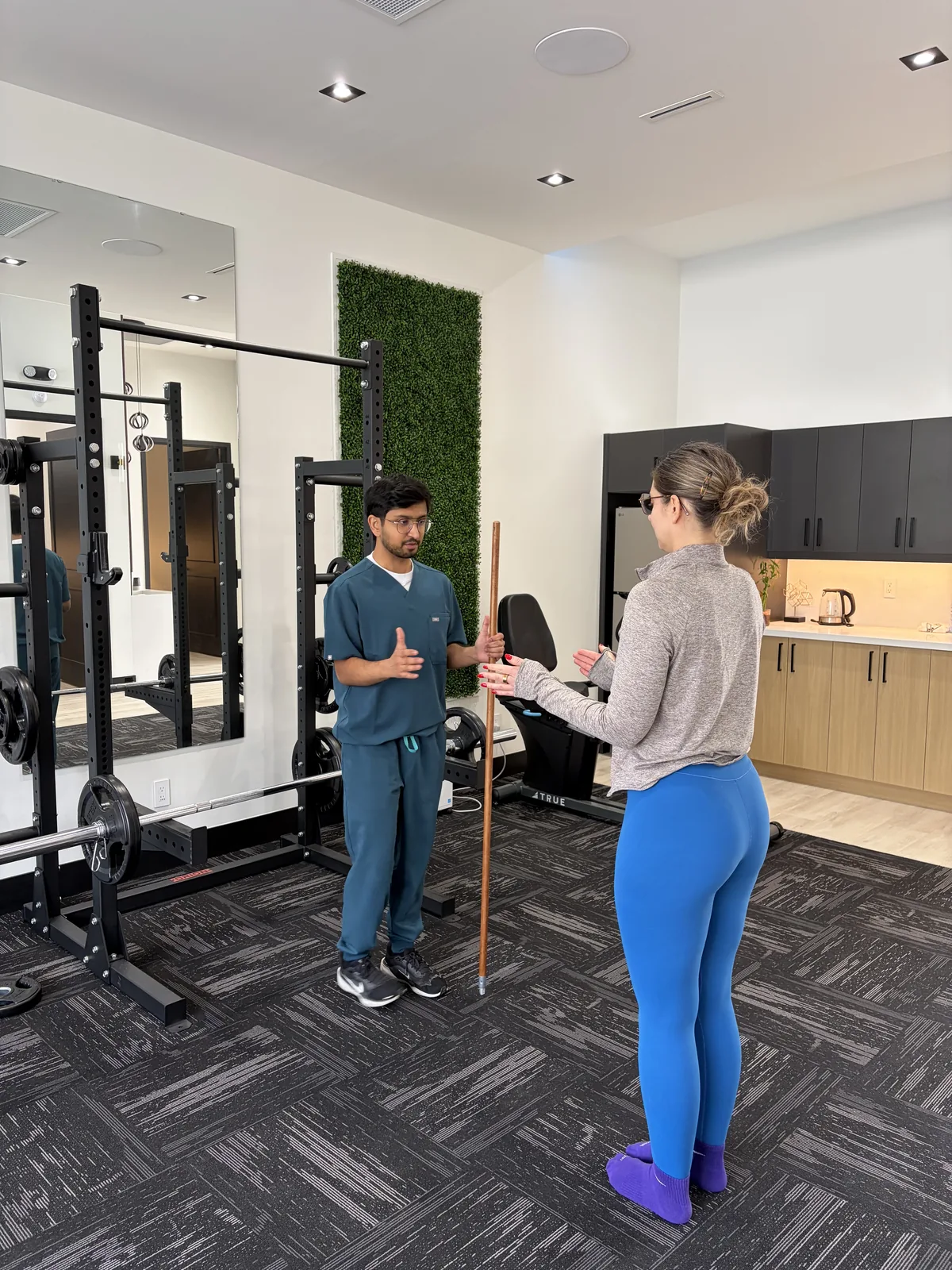
Physiotherapy for Hip Pain in Hamilton & Ancaster
Hip pain in Hamilton and Ancaster, from labral problems in athletes to osteoarthritis. A clear assessment and a plan you understand.
Do You Recognize These Symptoms?
Hip pain can manifest in many ways, from a dull ache to sharp, debilitating pain. See if any of these common symptoms sound familiar.
Deep groin pain or pain at the front of the hip
Pain on the outside of the hip, especially when lying on it
Pain with walking, climbing stairs or getting up from a chair
Stiffness and reduced range of motion
Clicking or catching sensation in the hip joint
Pain that radiates down the thigh or into the buttock
Limping or altered gait pattern
What the Research Says About Hip Pain
For a wide range of hip conditions, exercise therapy is the most effective treatment. It's not about just resting or waiting for it to go away. Research consistently shows that a targeted physiotherapy program leads to better outcomes than injections, medication, or a "wait-and-see" approach.
A landmark study in the British Medical Journal (formerly JAMA) found that for greater trochanteric pain syndrome (a common cause of hip pain), an education and exercise program was significantly more effective than a corticosteroid injection at both 8 weeks and 52 weeks.
Our approach is grounded in this high-quality evidence. We focus on strengthening the muscles that support your hip and correcting movement patterns that contribute to your pain, creating lasting relief and resilience.
Real Patients, Real Words
Copied word for word from Google. A … means part of a longer review is left out.
Elissa W.
Google review
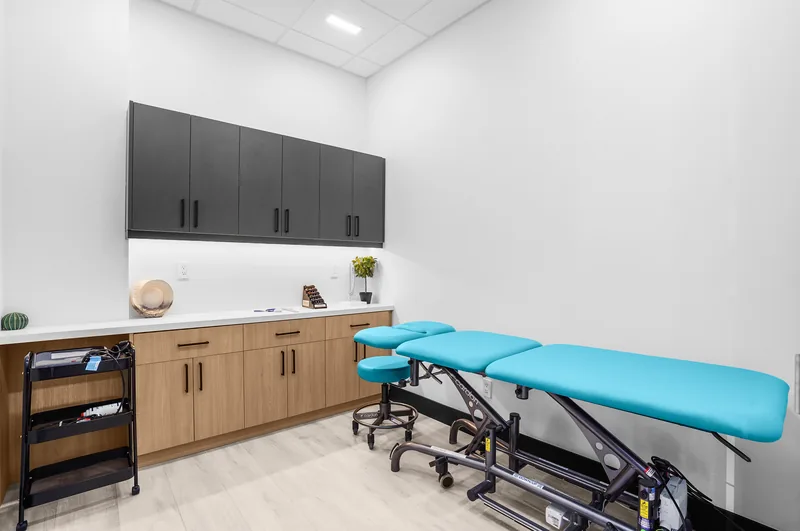
"Wonderful experience, … I will come back! Also clinic is clean, fresh & appointments are timely."
Chris J.
Google review
"Very thorough assessment. I am very pleased with the attention to details and help recieved from this clinic. Very clean, welcoming environment. Friendly and helpful staff. Would definitely recommend to anyone."
Cristovao C.
Google review
"I would highly recommend Interlink for physiotherapy sessions. Dhiman is very knowledgeable and patient, taking the time to fully understand what your issues are and making sure he gets a full picture before beginning treatment. He includes you in setting goals and expectations. His treatments are varied and he explains why we would do each exercise. Furthermore, he would provide exercises or stretches to complete at home. Always felt at ease and comfortable to ask any questions or further clarification on anything discussed. … The space is very clean and the equipment kept in great shape. All staff are very welcoming and friendly making for a great atmosphere for recovery."
How We Treat Hip Pain
Comprehensive Assessment
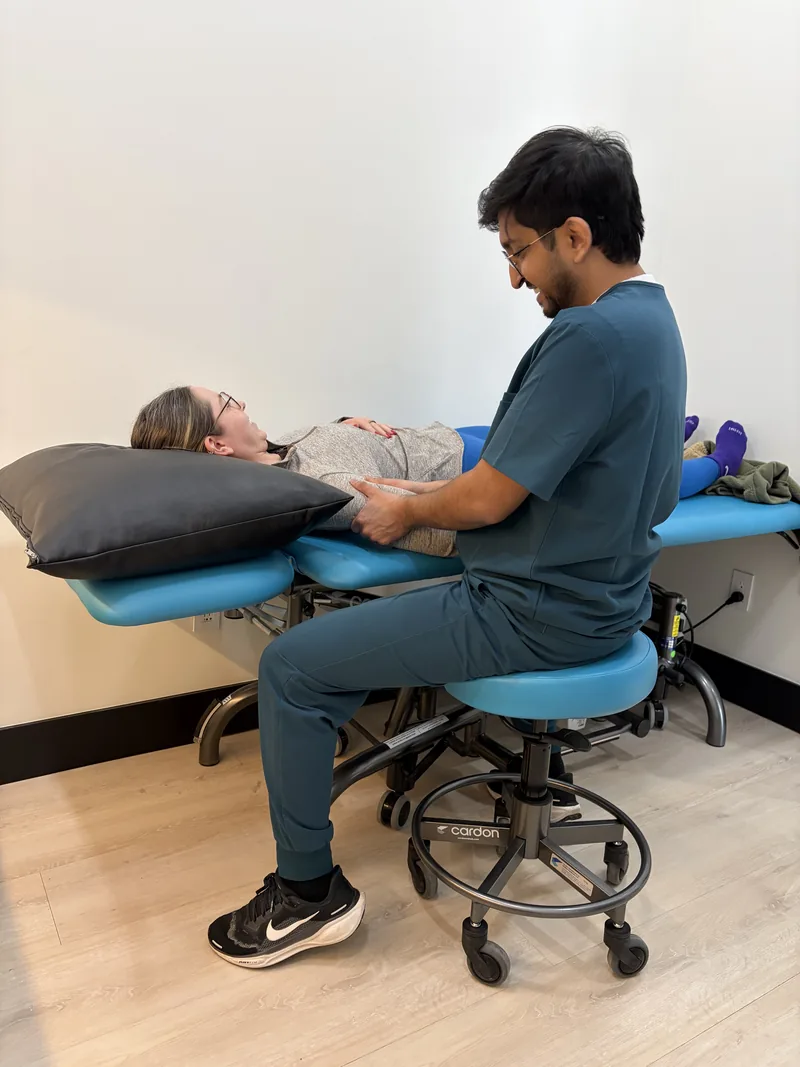
We perform a thorough assessment of your hip, pelvis, and lumbar spine to identify the precise source of your pain, whether it's joint-related, muscular, or referred from your back.
Targeted Strengthening Program
We design a progressive strengthening program focusing on the gluteal, abductor, and external rotator muscles to improve hip stability and reduce stress on the joint.
Manual Therapy & Mobility
Hands-on techniques to improve hip joint mobility, release tight muscles, and restore normal movement patterns, providing both immediate relief and long-term function.
Activity & Load Management
We provide evidence-based guidance on how to modify your activities and progressively return to the things you love without flaring up your symptoms.
Your Path to Recovery
Your recovery starts with a thorough understanding of your unique situation.
Comprehensive Assessment
We listen to your history and perform a detailed physical evaluation to pinpoint the root cause of your hip pain.
Personalized Plan
You'll receive a clear diagnosis and a step-by-step treatment plan with a realistic timeline for your recovery.
Start Treatment
We begin treatment on day one with a combination of hands-on therapy, targeted exercises, and education.
Your Options, Side by Side
There are many options for hip pain. Here is how the common ones compare.
Physiotherapy
Pros:
Addresses root causes like muscle weakness and poor biomechanics, builds long-term resilience, and is the recommended first-line treatment for most hip conditions.
Cons:
Requires active patient participation and consistency with exercises.
Corticosteroid Injections
Pros:
Can provide powerful short-term pain relief for inflammatory conditions like bursitis.
Cons:
Does not fix the underlying mechanical issue; evidence shows exercise is superior in the long term (JAMA, 2018). Risk of side effects.
Pain Medication
Pros:
Temporarily masks pain, allowing for participation in therapy.
Cons:
Does not address the root cause, carries risk of side effects, and does not improve long-term function.
Rest Alone
Pros:
May be helpful for a few days during an acute flare-up.
Cons:
Leads to deconditioning, stiffness, and weakness, often worsening the problem over time. Movement is critical for hip joint health.
Frequently Asked Questions
Answers to common questions about hip pain physiotherapy.
Yes. Exercise therapy is the most evidence-based treatment for hip osteoarthritis. A systematic review in Osteoarthritis and Cartilage (2014) found that exercise significantly reduces pain and improves function. Physiotherapy can delay or in some cases avoid the need for hip replacement surgery.
Most patients see meaningful improvement within 6-8 weeks. Chronic conditions like osteoarthritis or greater trochanteric pain syndrome may require 3-4 months of structured treatment to achieve lasting improvement.
Not necessarily. Hip pain and sciatica can feel similar but have different causes. Hip pain typically originates from the joint or surrounding structures, while sciatica is caused by irritation of the sciatic nerve from the lumbar spine. A thorough assessment will identify the source of your pain.
Not always. Many patients with hip osteoarthritis achieve excellent outcomes with physiotherapy alone. Exercise therapy is the first-line treatment recommended by clinical guidelines. Surgery is typically a last resort.
Related Conditions
Pain is often interconnected. We also treat these related issues.
Sciatica
Pain radiating down the leg from the lower back, which can sometimes be confused with hip pain.
Learn MoreKnee Pain
Knee issues can often be caused by or contribute to hip muscle weakness and poor biomechanics.
Learn MoreLow Back Pain
The hip and lower back are closely linked; pain in one area often affects the other.
Learn MoreHip Bursitis
Pain on the outside of the hip, often worse when you lie on that side or climb stairs.
Learn MoreHip Replacement Rehab
Physio before and after hip replacement surgery, following your surgeon's plan.
Learn MoreOsteoarthritis
Stiff, sore hips or knees from arthritis. Guidelines list exercise as a core part of care.
Learn MoreClinically reviewed by Dhiman Patel, MScPT, Registered Physiotherapist. Updated September 2026.
References
- Fransen M, McConnell S, Hernandez-Molina G, Reichenbach S. Exercise for osteoarthritis of the hip. Cochrane Database of Systematic Reviews. 2014.
- Mellor R, Bennell K, Grimaldi A, et al. Education plus exercise versus corticosteroid injection use versus a wait and see approach on global outcome and pain from gluteal tendinopathy: prospective, single blinded, randomised controlled trial. BMJ. 2018.
- Cibulka MT, White DM, Woehrle J, et al. Hip Pain and Mobility Deficits. Hip Osteoarthritis: Clinical Practice Guidelines. Journal of Orthopaedic and Sports Physical Therapy. 2009.