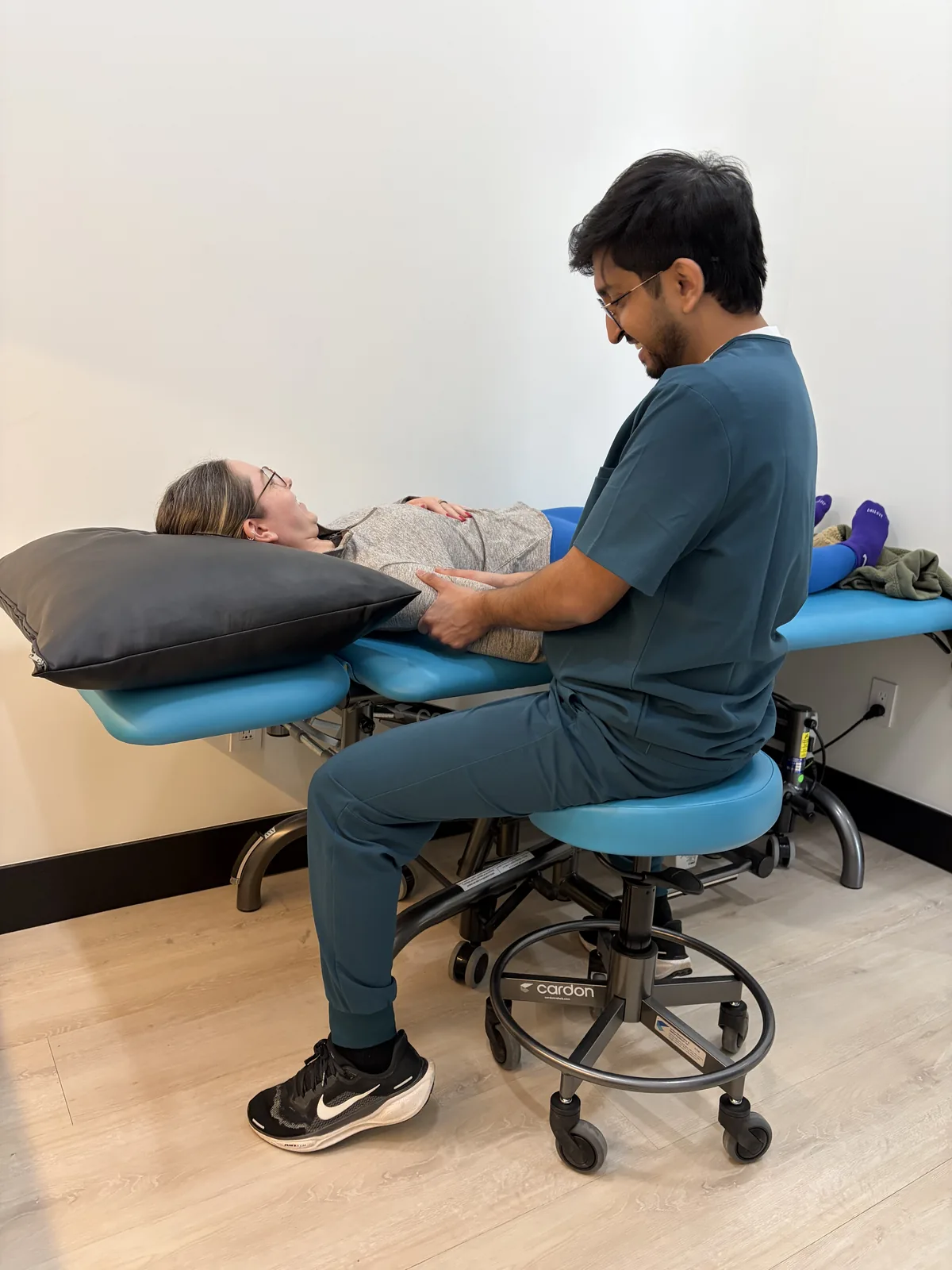
Physiotherapy for Sciatica in Hamilton & Ancaster
Sharp, burning or electric pain down your leg? Sciatica treatment in Ancaster and Hamilton that finds the source of the pain.
Do You Recognize These Symptoms?
Sciatica is more than just back pain. It's a specific pattern of nerve pain that requires an accurate diagnosis. Common signs include:
A Note on Cauda Equina Syndrome
While rare, if your leg pain is accompanied by new or worsening numbness in the groin or saddle area, or changes in bladder or bowel control, this could be a medical emergency. Please go to the nearest emergency department immediately.
The Evidence Is Clear: Physiotherapy Works for Sciatica
Despite how severe it can feel, the majority of sciatica cases respond very well to evidence-based physiotherapy. A landmark study in the Annals of Internal Medicine found that physiotherapy produced outcomes equivalent to steroid injections at 3 months and superior outcomes at 12 months, without the risks.
Current clinical guidelines from the American College of Physicians recommend exercise therapy and manual therapy as first-line treatments for sciatica, ahead of medication or surgery.
Our approach is to identify and treat the specific mechanical cause of your nerve compression, providing not just temporary relief, but a long-term solution.
Book Online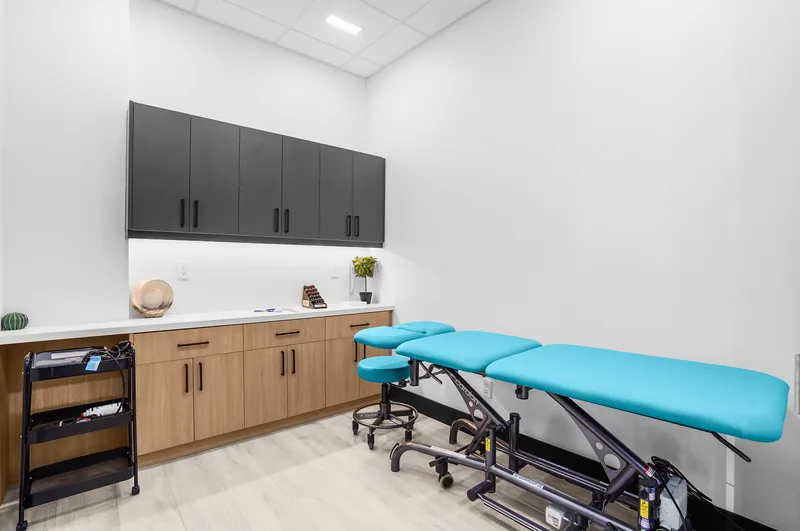
Real Patients, Real Recovery
We help people in Ancaster and Hamilton get back to living pain-free. Here's what they have to say about their experience.
T. Levterova
Google review - Back pain
"I started coming because of severe back pain. The clinic is clean, new, and modern. The staff is very caring and the treatment plan Dhiman gave me was very effective."
Harsh P.
Hamilton - Back pain
"Came here for a lower back issue that had been nagging me for a while. What I appreciated most is Dhiman didn’t just treat the pain — he actually explained what was going on with my back and why it was happening. The focus was on strengthening it so it doesn’t keep coming back, not just quick relief. I left each session actually understanding my body better. Would definitely recommend if you’re dealing with back pain in Hamilton."
Stephen L.
Google review - The experience
"A thorough and kind professional is dedicated to see his clients return to their activities without pain or risk of further injury. And a quality human being!"
How We Treat Sciatica
We follow a systematic, 4-step process to ensure we address the root cause of your sciatica, not just the symptoms.
Thorough Lumbar & Neurological Assessment
We identify the specific structure causing nerve irritation, assess neurological function, and rule out any red flags. You'll understand exactly what is causing your symptoms before treatment begins.
Neural Mobilisation Techniques
Specific manual therapy techniques designed to reduce tension and irritation along the sciatic nerve pathway, supported by research as an effective adjunct to standard physiotherapy for sciatica.
Directional Preference Exercises
Based on the McKenzie Method, we find the specific movement that centralises your pain, moving it from the leg back toward the spine where it is easier to manage and resolve.
Progressive Strengthening & Education
Building the lumbar and hip strength needed to reduce nerve compression and prevent recurrence, combined with education on posture, load management, and activity modification.
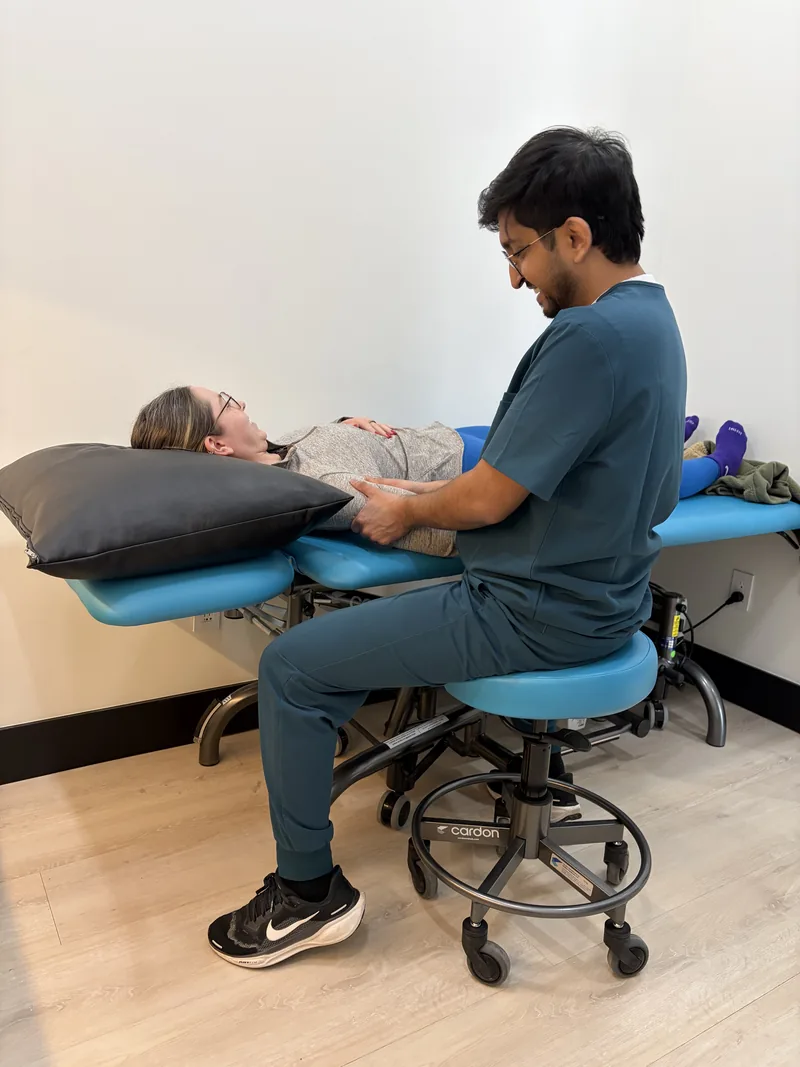
Your Path to Recovery
Here’s what your first few sessions will look like as we work to get you pain-free.
Session 1: Assessment
A deep dive into your history, movement patterns, and a full neurological screen to pinpoint the cause of your sciatica. You'll leave with a clear diagnosis and a plan.
Sessions 2-5: Pain Relief
We use hands-on manual therapy, neural mobilization, and specific exercises to calm the nerve, reduce your pain, and restore normal movement.
Sessions 6+: Strength & Resilience
We shift focus to strengthening your core, glutes, and back to stabilize your spine, reduce pressure on the nerve, and prevent the pain from returning.
Physiotherapy vs. Other Options
When dealing with nerve pain like sciatica, choosing the right treatment is critical. Here’s how physiotherapy compares to other common options.
Physiotherapy
Pros: Addresses root cause (e.g., disc herniation, piriformis), provides long-term relief, non-invasive, recommended first-line treatment.
Cons: Requires active patient participation and consistency.
Pain Medication
Pros: Can temporarily reduce pain and inflammation.
Cons: Masks symptoms without fixing the underlying nerve compression, risk of side effects, potential for dependency.
Chiropractic
Pros: May provide temporary relief through spinal adjustments.
Cons: Often provides only short-term relief and may not address the specific disc or muscle issue causing the sciatica.
Frequently Asked Questions
Acute sciatica from disc herniation typically shows significant improvement within 6-12 weeks of structured physiotherapy. Chronic sciatica or sciatica from stenosis may take longer, 3-6 months of consistent treatment. Research has found that patients who began physiotherapy within 4 weeks of sciatica onset had significantly better outcomes.
No. Current evidence strongly recommends staying as active as possible within pain limits. A Cochrane review found that bed rest produces worse outcomes than remaining active for both back pain and sciatica, as prolonged rest leads to muscle deconditioning that makes recovery harder.
Some acute episodes do resolve naturally. However, research has found that without appropriate management, a significant proportion of sciatica cases become chronic. Early physiotherapy intervention is an important investment in long-term recovery.
In most cases, no. A clinical assessment can identify the likely cause and guide effective treatment without imaging. An MRI is only recommended when symptoms suggest serious pathology, there is progressive neurological deficit, or symptoms fail to improve after an appropriate trial of physiotherapy.
Related Conditions
Low Back Pain
The most common source of sciatica, often involving disc herniation, stenosis, or joint dysfunction.
Hip Pain
Conditions like piriformis syndrome can mimic or contribute to sciatic nerve irritation.
Disc Herniation
A primary cause of sciatica where the inner disc material presses on the nerve root.
Clinically reviewed by Dhiman Patel, MScPT, Registered Physiotherapist. Updated September 2026.
References
- Albert, H. B., & Manniche, C. (2012). The efficacy of systematic active conservative treatment for patients with severe sciatica: a single-blind, randomized, clinical, controlled trial. Spine, 37(7), 531-542.
- Fernandez, M., et al. (2015). Surgery or physical therapy for sciatica and lumbar spinal stenosis? Annals of Internal Medicine, 162(11), 810-811.
- Hidalgo, B., et al. (2010). The efficacy of manual therapy and exercise for different stages of non-specific low back pain: an update of a systematic review. Journal of Manual & Manipulative Therapy, 18(4), 198-219.
- Qaseem, A., et al. (2017). Noninvasive treatments for acute, subacute, and chronic low back pain: a clinical practice guideline from the American College of Physicians. Annals of Internal Medicine, 166(7), 514-530.