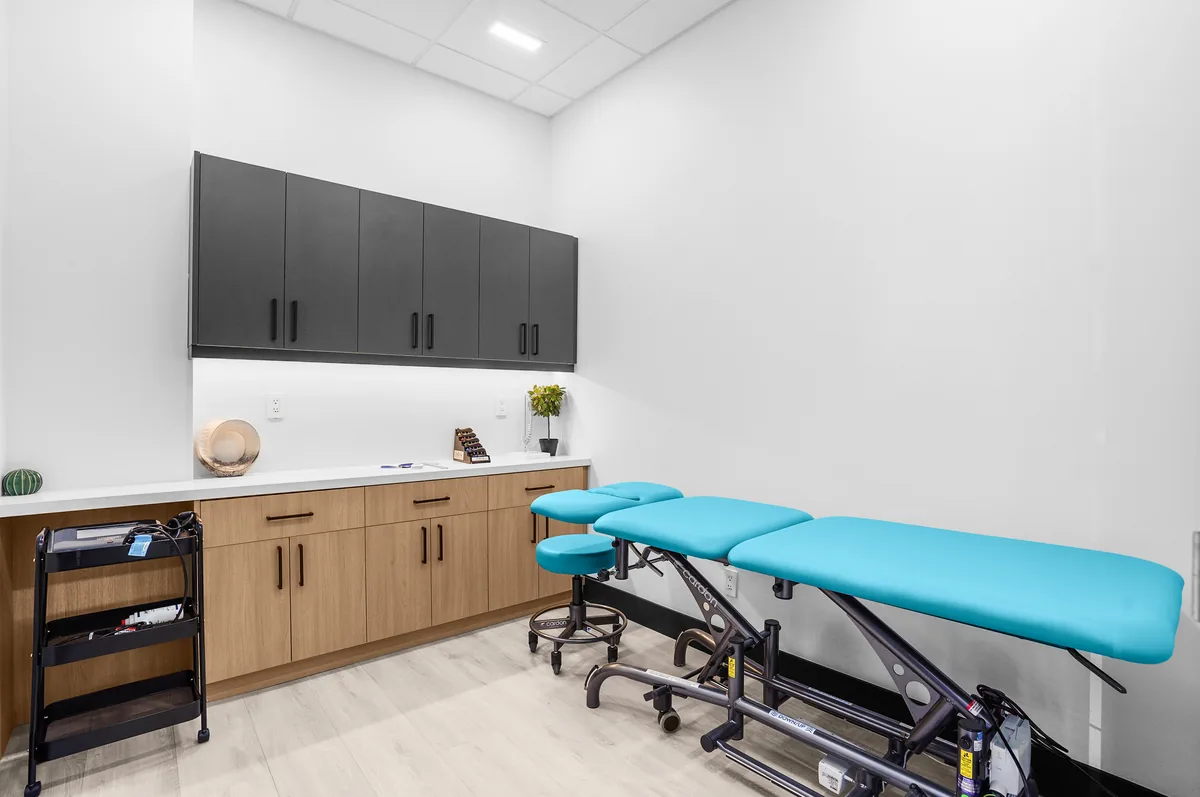
Post-Surgical Physiotherapy in Hamilton & Ancaster
Surgery fixes the structure. Rehab restores your strength, movement and confidence. A structured program is one of the biggest factors in how well you recover.
Do You Recognize These Symptoms?
A successful surgery is only the first step. Effective rehabilitation is crucial for navigating the recovery process and achieving your goals.
Don't Delay Your Recovery
The quality of your rehabilitation program directly determines how well you recover. Following a structured, evidence-based plan is the key to restoring function, preventing complications, and getting back to the activities you love, safely and efficiently.
Book OnlineWhat the Research Says About Rehab After Surgery
Modern physiotherapy has moved beyond simple exercises. We use a data-driven approach to guide your recovery, ensuring you meet key milestones before progressing. This minimizes risk and maximizes your outcome.
A 2016 study in the American Journal of Sports Medicine found athletes who completed a criterion-based rehab program after ACL surgery had a 9-fold lower risk of re-injury compared to those who returned to sport based on time alone.
Similarly, a systematic review for total knee replacement patients showed that structured physiotherapy led to significantly greater functional outcomes and a faster return to daily activities.
Real Patients, Real Words
Cristovao C.
Google review
"I would highly recommend Interlink for physiotherapy sessions. Dhiman is very knowledgeable and patient, taking the time to fully understand what your issues are and making sure he gets a full picture before beginning treatment. He includes you in setting goals and expectations. His treatments are varied and he explains why we would do each exercise. Furthermore, he would provide exercises or stretches to complete at home. Always felt at ease and comfortable to ask any questions or further clarification on anything discussed. … The space is very clean and the equipment kept in great shape. All staff are very welcoming and friendly making for a great atmosphere for recovery."
Mario C.
Google review
"Knowledgeable and insightful. Clean facility to make you feel at ease. Friendly staff. …"
Mackensey B.
Google review
"Dhiman went out of his way to support our son during his broken leg recovery. The entire team at Interlink made sure we were cared for, accommodated our schedules and made our son feel special. … Thank you!"
How We Treat Post-Surgical Recovery
Surgeon-Aligned Protocols
We work within your surgeon's post-operative guidelines and communicate with your surgical team. Your rehabilitation plan respects the specific repair and tissue healing timeline.
Criterion-Based Progression
We advance your program based on what your body demonstrates, strength benchmarks, movement quality, and functional tests, not just how many weeks have passed since surgery.
One-on-One, Hands-On Treatment
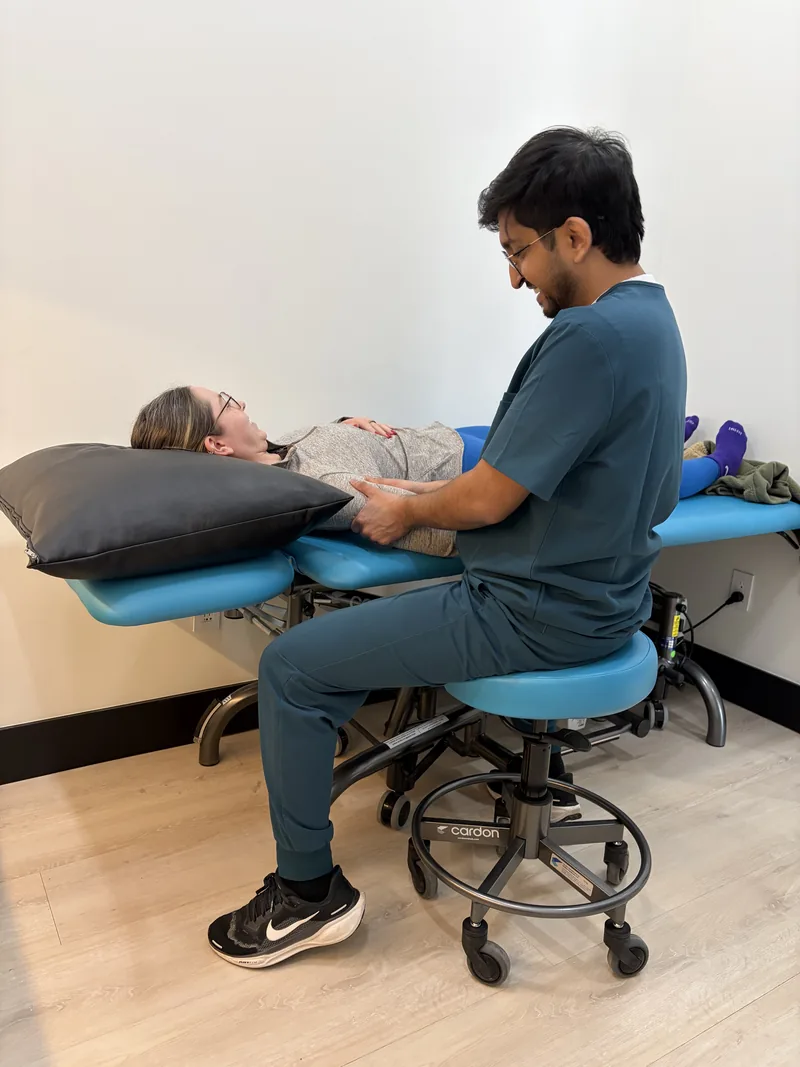
Every session is with your physiotherapist. Manual therapy, soft tissue work, and exercise prescription are tailored to your specific surgery, healing stage, and functional goals.
Clear Milestones & Honest Timelines
We set realistic expectations from the start. You will know what your recovery milestones are, what we are working toward at each phase, and what a successful outcome looks like.
Your Path to Recovery
We guide you through a criteria-based progression to ensure you recover fully and safely, without rushing or unnecessary delays.
Protection & Early Recovery
Weeks 1-4: Managing pain and swelling, protecting the repair, restoring early range of motion, and preventing muscle atrophy.
Strength & Mobility
Weeks 4-12: Progressive strengthening, restoring full mobility, improving neuromuscular control, and re-introducing functional movements.
Functional Integration
Weeks 12-24+: Advanced strengthening, sport/activity-specific training, and criterion-based testing to ensure a safe return to your goals.
Your Options, Side by Side
After surgery, you have choices for your rehab. Here is how the common ones compare.
Physiotherapy
Pros:
Addresses root cause of dysfunction, restores strength and mobility, guided by evidence-based protocols, significantly lowers re-injury risk.
Cons:
Requires active participation and consistency.
Minimal / No Rehab
Pros:
Saves time and money in the short term.
Cons:
Leads to persistent stiffness, weakness, poor functional outcomes, and a much higher risk of complications or re-injury.
Relying on Pain Medication
Pros:
Temporarily masks pain.
Cons:
Does not restore function, creates dependency, and has significant side effects. Fails to address the underlying need for movement and strengthening.
Frequently Asked Questions
Common questions about post-surgical physiotherapy.
The timing depends on your specific surgery and surgeon's protocol. Many procedures benefit from physiotherapy beginning within the first 1-2 weeks post-operatively. We will coordinate with your surgeon's guidelines to ensure we start at the right time.
Recovery timelines vary significantly. A meniscus repair may take 4-6 months to return to sport, while a total knee replacement typically requires 3-6 months for full functional recovery. We will provide a realistic, evidence-based timeline at your assessment.
No. In Ontario you can access physiotherapy directly without a doctor's referral. However, your surgeon's post-operative protocol is important, and we will work within those guidelines.
It is never too late. Many patients come to us months or even years after a procedure with persistent weakness or stiffness. We can assess where you are and build a program to address the specific deficits that remain.
Related Conditions
Knee Replacement Rehab
Physio before and after a total or partial knee replacement, with a week by week guide.
Learn MoreACL Reconstruction
Rehab before and after ACL surgery, plus strength and hop tests before you return to sport.
Learn MoreRotator Cuff Repair
A phased approach to restoring shoulder mobility, stability, and function following surgical repair of the rotator cuff tendons.
Learn MoreHip Replacement Rehab
Physio before and after hip replacement surgery, following your surgeon's plan.
Learn MoreMeniscus Tear
Rehab after meniscus surgery, and exercise plans for tears treated without surgery.
Learn MoreClinically reviewed by Dhiman Patel, MScPT, Registered Physiotherapist. Updated September 2026.
References
- Artus M, van der Windt DA, Afolabi EK, et al. Management of non-specific low back pain in primary care: a systematic review and meta-analysis. Eur Spine J. 2017;26(11):2790-2802.
- Grindem, H., Snyder-Mackler, L., Moksnes, H., Engebretsen, L., & Risberg, M. A. (2016). Simple decision rules can reduce reinjury risk by 84% after ACL reconstruction: the Delaware-Oslo ACL cohort study. British journal of sports medicine, 50(13), 804-808.
- Minns Lowe, C. J., Barker, K. L., Dewey, M., & Sackley, C. M. (2007). Effectiveness of physiotherapy exercise after knee arthroplasty for osteoarthritis: systematic review and meta-analysis of randomised controlled trials. BMJ, 335(7624), 812.