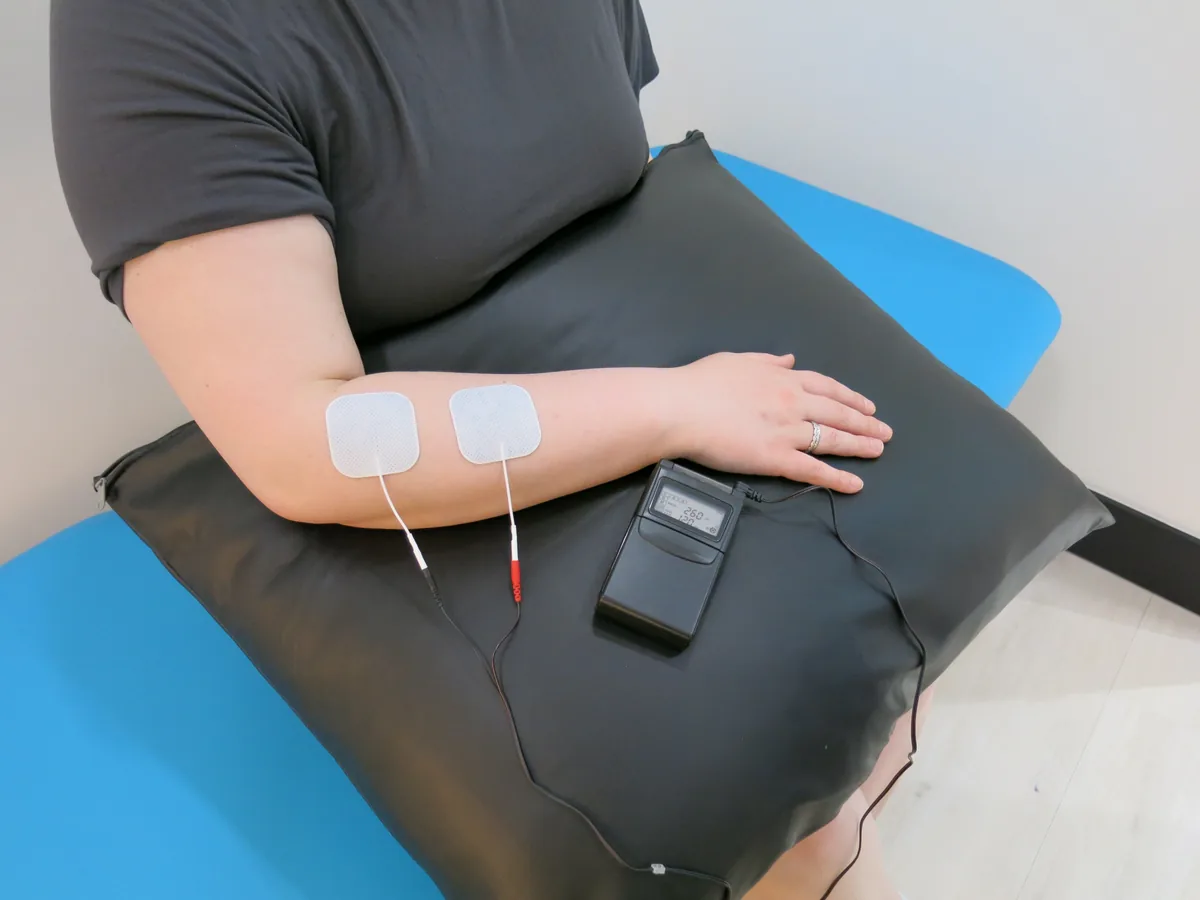
Physiotherapy for Tennis Elbow in Hamilton & Ancaster
Outer elbow pain when you grip or lift? Tennis elbow treatment in Ancaster and Hamilton that treats the cause.
Do You Recognize These Symptoms?
Tennis elbow, or lateral epicondylalgia, is a common condition caused by overuse of the muscles that extend the wrist. Despite the name, it affects many people who don't play tennis. It's a degenerative condition of the tendon, not just inflammation.
- Pain on the outer part of the elbow
- Pain that worsens with gripping or lifting objects
- Weakness in the wrist and forearm
- Difficulty with tasks like shaking hands or turning a doorknob
- Aching or stiffness in the elbow, especially in the morning
- Pain that can radiate down the forearm towards the wrist
- Tenderness to touch on the bony part of the outer elbow
Don't Ignore Elbow Pain
Ignoring tennis elbow can lead to chronic pain and significant loss of function. Early, evidence-based physiotherapy is crucial to stimulate proper tendon healing and prevent long-term problems. Cortisone injections and prolonged rest are outdated approaches that can worsen the condition.
What the Research Says About Tennis Elbow
At Interlink Physiotherapy, we don't chase symptoms. We follow the latest clinical evidence to deliver treatment that creates lasting results. For tennis elbow, this means a focus on progressive loading to rebuild tendon resilience.
Research published in the British Medical Journal and The Lancet has shown that while cortisone injections provide short-term relief, they lead to poorer long-term outcomes and higher recurrence rates than physiotherapy. Our approach ensures you're not just masking the pain, but actually fixing the problem at its source.
Book Online
Real Patients, Real Words
Copied word for word from Google. A … means part of a longer review is left out.
"I chose Interlink Physiotherapy based on glowing reviews and found them fully deserved. My doctor referred me for persistent shoulder pain spanning several months, which an ultrasound diagnosed as bursitis and tendinitis. Dhiman patiently outlined my recovery expectations and timeline, while attentively addressing my concurrent elbow injury. …"
T. Bucalo
Google review
"I came in with a workplace injury on my foot and was having trouble with mobility and pain. Dhiman was incredibly professional and passionate with his approach on my care plan. … I highly recommend him since he takes the time to listen and explain things clearly so we as clients can understand the injury and process on healing. …"
Haley E.
Google review
"Very thorough assessment. I am very pleased with the attention to details and help recieved from this clinic. Very clean, welcoming environment. Friendly and helpful staff. Would definitely recommend to anyone."
Chris J.
Google review
How We Treat Tennis Elbow
Accurate Diagnosis & Load Management
First, we confirm the diagnosis and rule out other causes like nerve issues. Then, we teach you how to modify your daily activities to reduce strain on the tendon without resorting to complete rest, which can delay healing.
Progressive Loading Program
The core of tennis elbow recovery is a structured exercise program. We guide you through specific isometric, isotonic, and eccentric exercises to stimulate tendon repair and build its load capacity, ensuring a resilient, long-term recovery.
Hands-On Manual Therapy
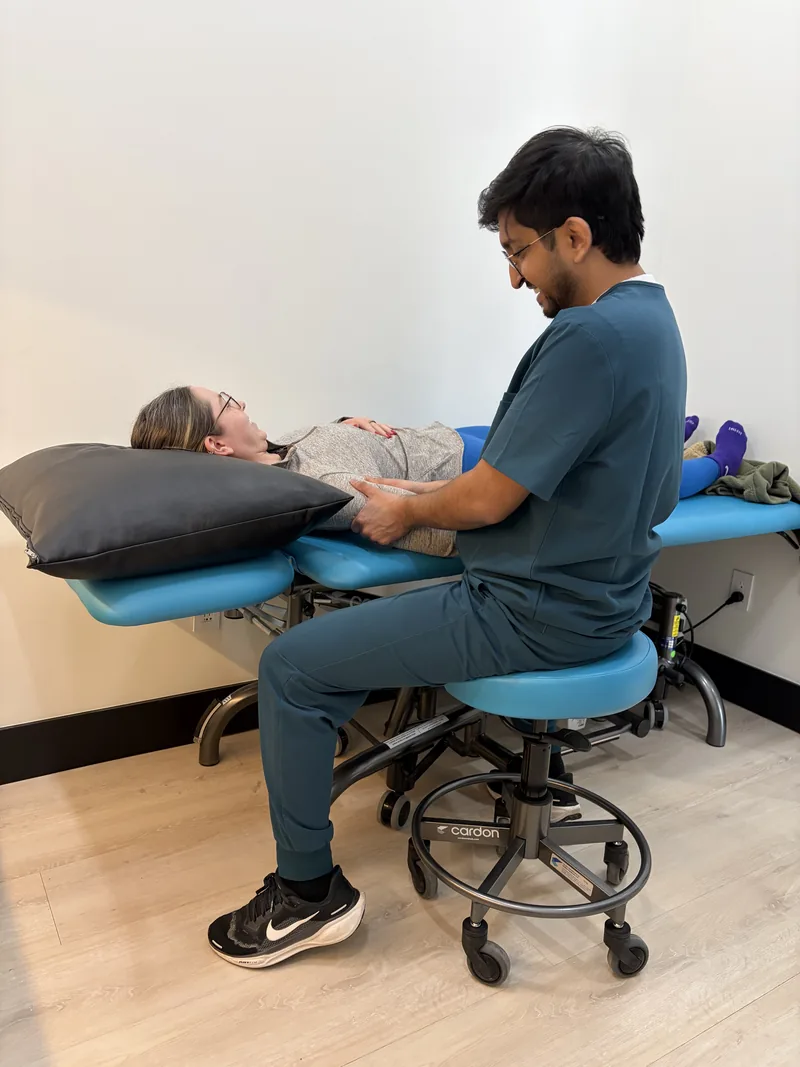
To accelerate pain relief and improve movement, we use targeted manual therapy techniques. This may include soft tissue release for forearm muscles and joint mobilizations for the elbow, wrist, and even the neck, which can contribute to elbow pain.
Your Path to Recovery
We provide a clear and structured recovery plan. Here’s what your first few visits will look like.
Initial Assessment
A thorough evaluation to understand your pain, test your strength and mobility, and establish a clear diagnosis and personalized treatment plan.
Active Treatment
Combining hands-on therapy to reduce pain with the initial phase of your exercise program to start the tendon healing process.
Progressive Loading
Systematically increasing the load on your tendon with more challenging exercises to build strength and ensure you can return to all your activities without pain.
Your Options, Side by Side
Many treatments exist for tennis elbow. Here is how the common ones compare.
Physiotherapy
Cortisone Injections
Rest & Bracing
Frequently Asked Questions
Current evidence strongly advises against cortisone injection as a primary treatment. Multiple randomised controlled trials have found that cortisone produces worse outcomes than physiotherapy at 12-month follow-up, despite providing short-term pain relief.
Most patients see significant improvement within 6-8 weeks of structured physiotherapy. Full resolution typically takes 3-6 months, consistent with the natural healing time of tendons. Completing the full program is key to preventing recurrence.
In most cases, yes. Complete rest is not recommended. Your physiotherapist will provide specific guidance on modifying activities and managing load to allow the tendon to heal while you continue to work.
Yes. Chronic tennis elbow responds well to progressive loading rehabilitation, regardless of how long you've had symptoms. Research shows that these programs produce significant improvements in pain and function even in long-standing cases.
Ready to Start Your Recovery?
Don't let elbow pain hold you back any longer. Book your initial assessment today and get a personalized plan to get you back to doing what you love, pain-free.
One on one care · No referral needed · Direct billing available
Our clinic serves Ancaster, Hamilton and Dundas.
Related Conditions
Pain and dysfunction are often connected. Your elbow pain might be related to issues in your neck, shoulder, or wrist. We assess the entire kinetic chain to find and fix the root cause.
Wrist & Hand Pain
Issues in the wrist and hand often co-exist with or contribute to elbow problems due to shared muscle groups.
Learn MoreShoulder Pain
Poor shoulder mechanics can lead to overuse of the forearm muscles, contributing to conditions like tennis elbow.
Learn MoreNeck Pain
Nerve irritation in the neck can sometimes refer pain to the elbow, mimicking or complicating tennis elbow.
Learn MoreClinically reviewed by Dhiman Patel, MScPT, Registered Physiotherapist. Updated September 2026.
References
- Bisset L, Beller E, Jull G, et al. Mobilisation with movement and exercise, corticosteroid injection, or wait and see for tennis elbow: randomised trial. BMJ. 2006.
- Coombes BK, Bisset L, Vicenzino B. Efficacy and safety of corticosteroid injections and other injections for management of tendinopathy. Lancet. 2010.
- Smidt N, Assendelft WJ, van der Windt DA, et al. Corticosteroid injections for lateral epicondylitis: a systematic review. Pain. 2002.
- Raman J, MacDermid JC, Grewal R. Effectiveness of different methods of resistance exercises in lateral epicondylosis. Journal of Hand Therapy. 2012.
- Vicenzino B, Cleland JA, Bisset L. Joint manipulation in the management of lateral epicondylalgia. Journal of Manual and Manipulative Therapy. 2007.
- Nirschl RP, Ashman ES. Elbow tendinopathy: tennis elbow. Clinics in Sports Medicine. 2003.