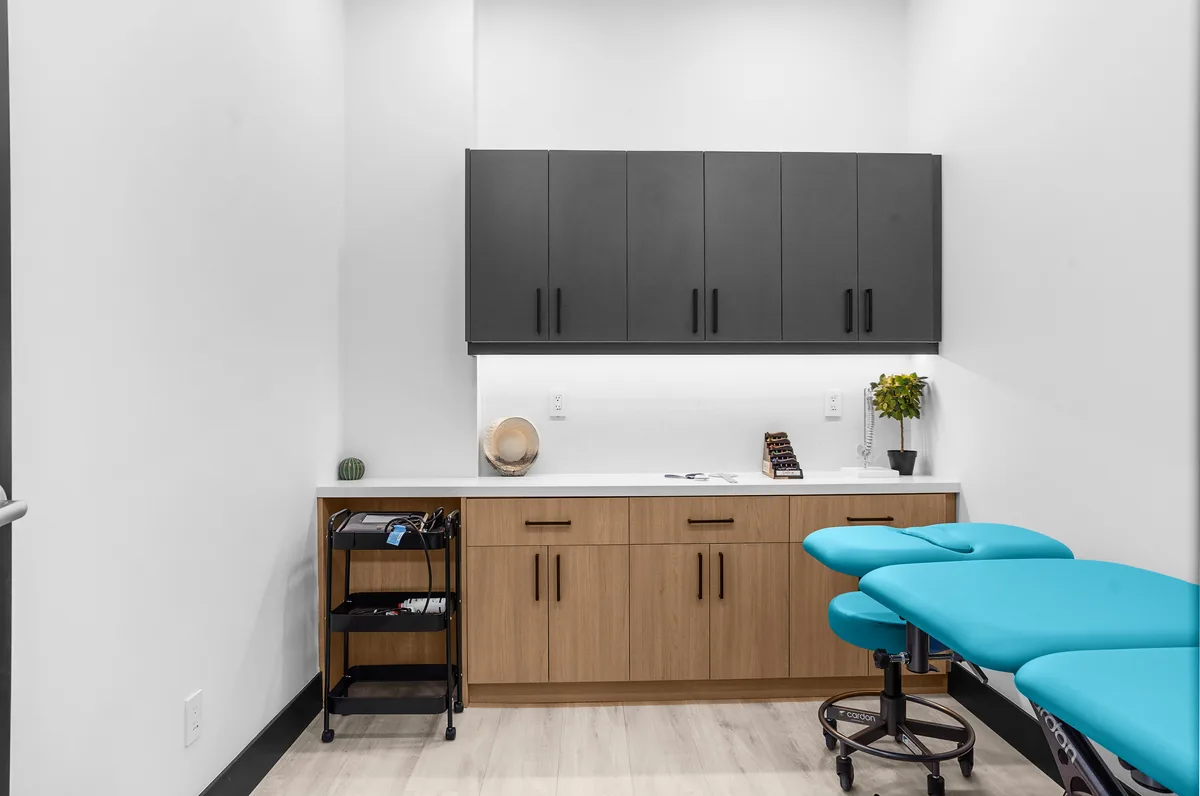
Physiotherapy for TMJ Dysfunction in Hamilton & Ancaster
Jaw pain, clicking or locking? One on one TMJ treatment in Hamilton and Ancaster.
Do You Recognize These Symptoms?
TMJ dysfunction affects more than just your jaw. It can cause a wide range of symptoms that impact your daily life. See if any of these sound familiar:
What the Research Says About TMJ Dysfunction
Temporomandibular joint (TMJ) dysfunction affects an estimated 5-12% of the population, causing not just jaw pain but also headaches and neck pain that significantly impact quality of life. While often seen as a dental issue, the research is clear: physiotherapy is a cornerstone of effective treatment.
A systematic review in the journal Physical Therapy (2016) confirmed that manual therapy and therapeutic exercise are effective for reducing pain and improving mouth opening in people with TMJ disorders. Our approach directly targets these evidence-based recommendations.
At Interlink Physiotherapy, we address the musculoskeletal drivers of your TMJ pain, the tight muscles, the stiff joints in your jaw and neck, and the postural habits that perpetuate the problem. We work collaboratively with dentists to ensure you receive comprehensive care that leads to lasting results.
Real Patients, Real Words
Copied word for word from Google. A … means part of a longer review is left out.
Chris J.
Google review - The experience
"Very thorough assessment. I am very pleased with the attention to details and help recieved from this clinic. Very clean, welcoming environment. Friendly and helpful staff. Would definitely recommend to anyone."
Hailey H.
Google review - The experience
"Interlink Physiotherapy is fantastic! Dhiman is welcoming, professional, and truly cares about your recovery. … Great clinic and great experience. I would highly recommend!"
Ashley F.
Google review - The experience
"My experience it interlink physiotherapy has been excellent. Dhiman Patel is very professional, knowledgeable, and supports his patients needs. …"
How We Treat TMJ Dysfunction
We follow a systematic, 4-step process to ensure we identify the root cause of your TMJ dysfunction and create a treatment plan that delivers results.
Comprehensive Assessment
We evaluate not just the jaw joint (TMJ) itself, but also the cervical spine, posture, and masticatory muscles to identify all contributing factors to your pain and dysfunction.
Manual Therapy
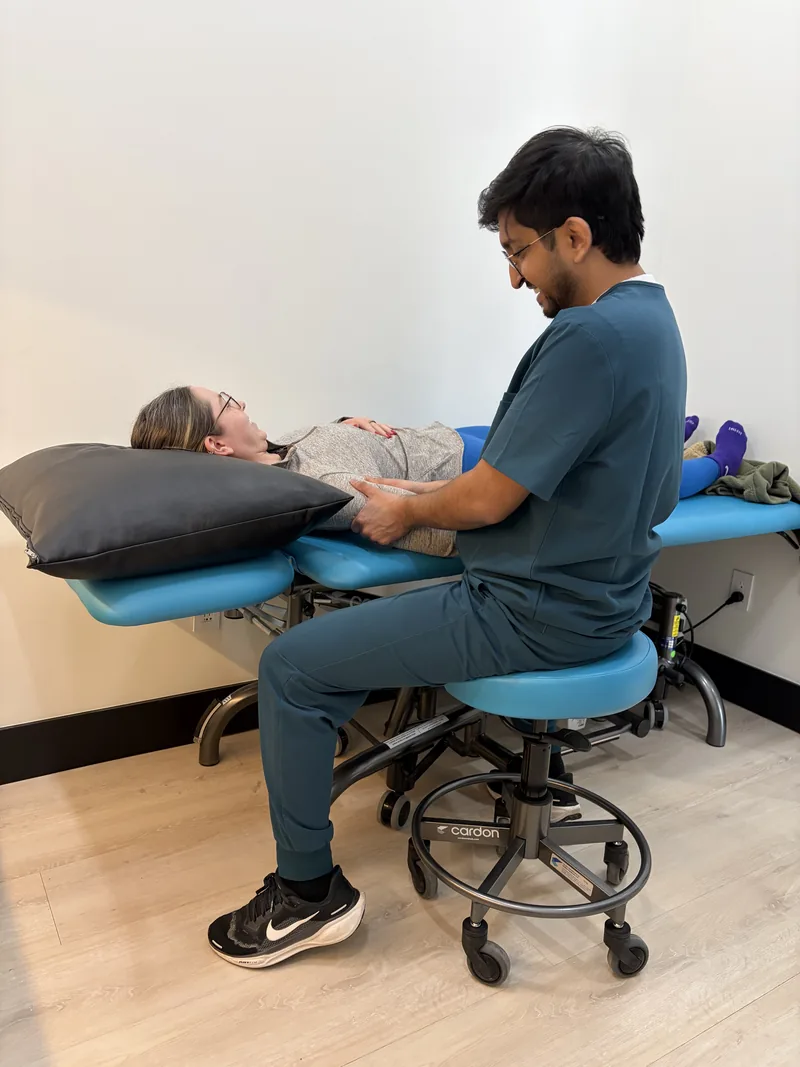
Hands-on techniques to improve jaw mobility, release tight muscles (intra-oral and external), and address any related neck stiffness. This provides rapid pain relief and restores normal joint mechanics.
Targeted Exercise Prescription
We provide specific exercises for jaw coordination, strengthening, and postural correction. This empowers you to manage your symptoms and prevent recurrence.
Collaborative Care
We work closely with your dentist or specialist to ensure a coordinated approach, addressing both the musculoskeletal and occlusal (bite) components of your TMJ dysfunction for the best long-term outcomes.
Your Path to Recovery
Your initial 60-minute assessment is a deep dive into your condition. Here’s what it looks like:
1. Listen & Understand
We start by listening to your story. We want to understand how jaw pain is affecting you, what makes it worse, and what you've tried so far. We'll also review your medical history.
2. Full Body Assessment
We assess your jaw movement, muscle tenderness (inside and outside the mouth), and neck mobility. We look at posture and breathing patterns to see the full picture.
3. Diagnosis & Plan
You'll leave with a clear diagnosis in plain language and a step-by-step treatment plan. We'll start treatment on day one so you can feel relief as soon as possible.
Your Options, Side by Side
Many treatments exist for TMJ problems. Here is how the common ones compare.
Physiotherapy Recommended
Dental Splint / Night Guard
Pain Medication
Frequently Asked Questions
Ideally both, they address different aspects of the condition. Dentists manage the occlusal (bite) component, including splint therapy. Physiotherapists address the musculoskeletal component, joint mobility, muscle function, and cervical spine contributors. A collaborative approach produces the best outcomes.
Related Conditions
Neck Pain
Often a primary contributor or consequence of TMJ dysfunction due to shared musculature and neural pathways.
Headaches
Tension headaches and migraines are frequently associated with jaw and neck tension from TMJ disorders.
Concussion
Whiplash or impact to the head can injure the jaw joint, leading to post-concussion TMJ symptoms.
Clinically reviewed by Dhiman Patel, MScPT, Registered Physiotherapist. Updated September 2026.
References
- List T, Jensen RH. Temporomandibular disorders: Old ideas and new concepts. Cephalalgia. 2017;37(7):692-704.
- Armijo-Olivo S, Pitance L, Singh V, et al. Effectiveness of manual therapy and therapeutic exercise for temporomandibular disorders. Physical Therapy. 2016;96(1):9-25.
- Calixtre LB, Moreira RFC, Franchini GH, et al. Manual therapy for the management of pain and limited range of motion in subjects with signs and symptoms of temporomandibular disorder. Journal of Oral Rehabilitation. 2015;42(11):847-861.
All references can be independently verified at pubmed.ncbi.nlm.nih.gov