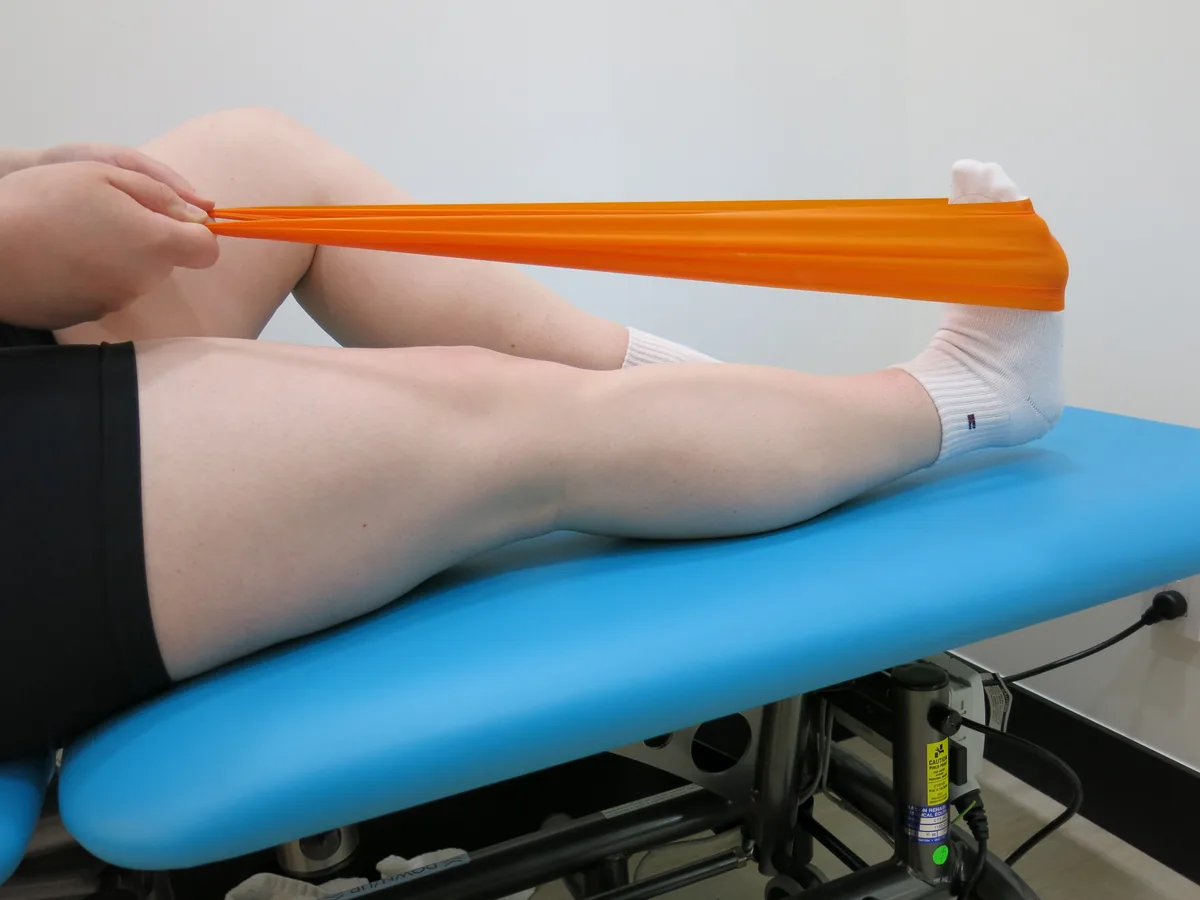
Physiotherapy for Achilles Tendinopathy in Ancaster & Hamilton
Achilles pain slowing you down? A one on one assessment finds the cause, and a loading plan rebuilds the tendon step by step.
Do You Recognize These Symptoms?
Achilles tendinopathy typically presents as localized pain and stiffness in the Achilles tendon. It's an overuse injury, meaning the tendon has been loaded more than it can currently tolerate. Identifying with these symptoms is the first step toward targeted, effective treatment.
A Note on Tendon Rupture
While tendinopathy is an overuse injury, a sudden 'pop' or sensation of being kicked in the back of the leg, accompanied by significant swelling and an inability to stand on your toes, may indicate an Achilles tendon rupture. This is a medical emergency requiring immediate attention.
Book OnlineWhat the Research Says About Achilles Tendinopathy
Achilles tendinopathy is one of the most well-researched conditions in sports medicine. High-quality studies consistently show that progressive, structured exercise is the most effective treatment. Unlike other treatments that only mask symptoms, a loading program stimulates the tendon to adapt, get stronger, and become more resilient.
Research published in the British Journal of Sports Medicine and the American Journal of Sports Medicine confirms that heavy slow resistance training is a superior treatment for Achilles tendinopathy, leading to better outcomes in pain and function compared to other approaches.
At Interlink Physiotherapy, we don't guess. We use an evidence-based framework to build a personalized loading program that respects your pain, rebuilds your tendon's capacity, and gets you back to your life.
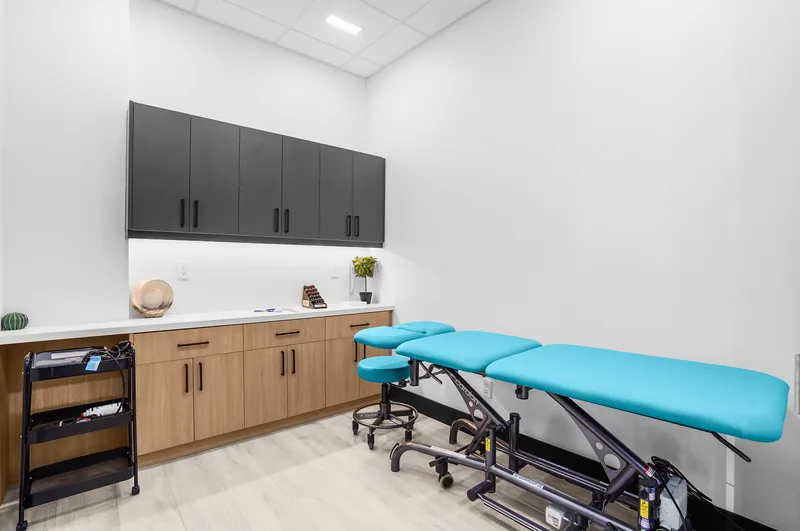
Real Patients, Real Words
Copied word for word from Google. A … means part of a longer review is left out.
Grace T.
Hamilton / Ancaster
"Super helpful and always very friendly! … They are also always on time and I have never had to wait. They’re in the Hamilton/Ancaster area, definitely check them out if you need physio!"
Ankle injury
Alex P.
Google review
"I went for physiotherapy due to knee pain from a running injury. The treatment plan was structured and focused on proper recovery, not just short-term relief. … Highly recommend for sports-related injuries."
Running injury
Haley E.
Google review
"I came in with a workplace injury on my foot and was having trouble with mobility and pain. Dhiman was incredibly professional and passionate with his approach on my care plan. … I highly recommend him since he takes the time to listen and explain things clearly so we as clients can understand the injury and process on healing. …"
Workplace injury
How We Treat Achilles Tendinopathy
We follow a systematic, evidence-based approach to ensure you not only recover but also reduce your risk of future injury.
Comprehensive Load Management
We first determine the tendon's current load tolerance and modify your activities to a pain-free level. This crucial first step calms the irritable tendon and creates the optimal environment for healing.
Progressive Loading Program
The core of Achilles rehab. We prescribe a specific, progressive exercise program (often starting with isometrics, then moving to heavy slow resistance) to stimulate tendon adaptation and build its capacity to handle load.
Biomechanical Analysis
We analyze your walking and running gait to identify and correct any movement patterns (like poor foot mechanics or hip weakness) that may be contributing to excessive Achilles strain.
Education & Self-Management
You'll learn the difference between acceptable and unacceptable pain during exercise, how to manage flare-ups, and how to safely progress your activities to prevent re-injury.
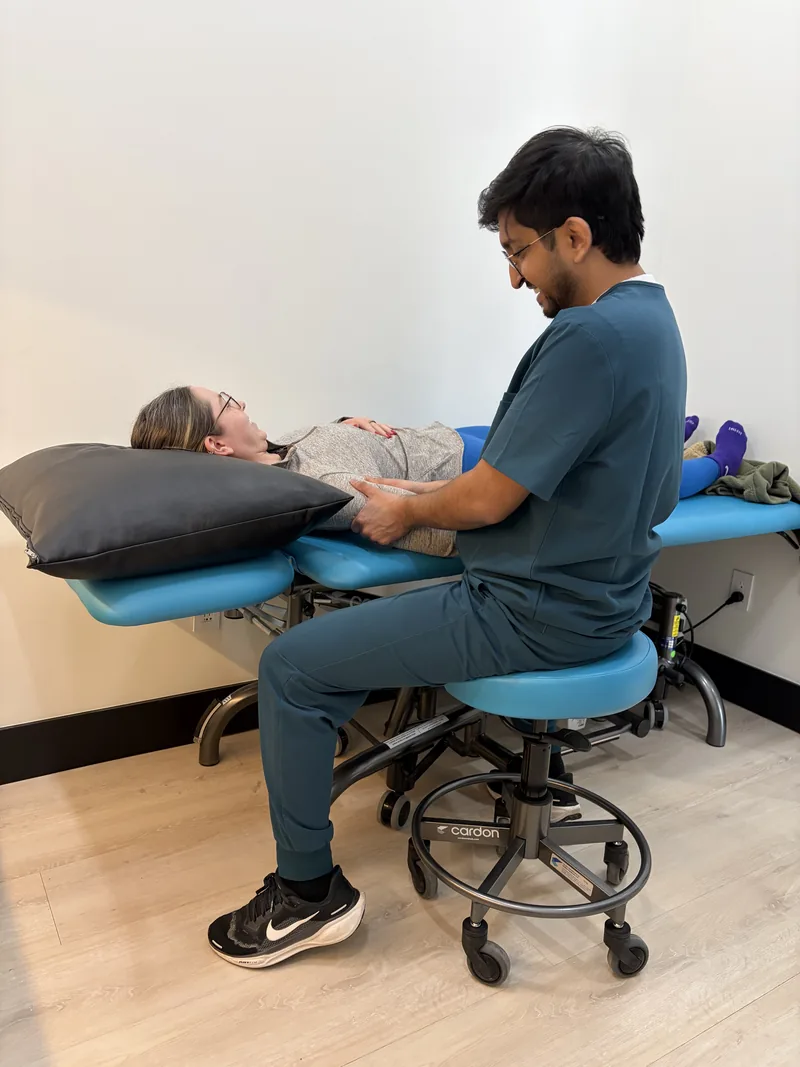
Your Path to Recovery
We make the process clear and straightforward. Here’s what your first few visits will look like.
Initial Assessment
A deep dive into your history, movement patterns, and goals to pinpoint the root cause of your Achilles pain.
Treatment & Education
Receive your personalized loading program, hands-on therapy for symptom relief, and education on how to manage your condition.
Progressive Overload
We systematically advance your exercises, ensuring your tendon adapts and strengthens, preparing you for a full return to activity.
Your Options, Side by Side
Many treatments exist for Achilles tendinopathy. Here is how the common ones compare.
Physiotherapy
Pros: Addresses root cause via progressive loading, builds long-term tendon resilience, strong evidence base (BJSM, AJSM)
Cons: Requires consistent effort and adherence to exercise program over several weeks
Rest Alone
Pros: May temporarily reduce pain
Cons: Does not increase tendon capacity; pain almost always returns with activity. Leads to deconditioning.
Cortisone Injections
Pros: Can provide short-term pain relief
Cons: Does not address the underlying pathology. Evidence shows it increases risk of tendon rupture and leads to worse long-term outcomes.
Stretching
Pros: May feel good temporarily
Cons: Not supported by evidence as a primary treatment. Can compress and further irritate the tendon, especially in reactive cases.
Frequently Asked Questions
Most patients see significant improvement within 12 weeks of structured loading rehabilitation. Research from multiple RCTs suggests that 12 weeks of progressive loading is the minimum effective treatment duration for Achilles tendinopathy, with continued improvement often occurring beyond this point as the tendon continues to adapt. Patients who commit fully to the loading program achieve the best outcomes.
Related Conditions
Pain is often interconnected. Addressing related areas can be key to a full recovery.
Plantar Fasciitis
Heel pain often related to similar biomechanical factors and load management errors as Achilles tendinopathy.
Learn MoreAnkle Sprain
Previous ankle instability can alter mechanics and place increased stress on the Achilles tendon.
Learn MoreShin Splints
Another common overuse running injury that can share root causes with Achilles issues, such as training errors.
Learn MoreClinically reviewed by Dhiman Patel, MScPT, Registered Physiotherapist. Updated September 2026.
References
- Alfredson H, Pietila T, Jonsson P, et al. Heavy-load eccentric calf muscle training for the treatment of chronic Achilles tendinosis. American Journal of Sports Medicine. 1998.
- Magnussen RA, Dunn WR, Thomson AB. Nonoperative treatment of midportion Achilles tendinopathy: a systematic review. Clinical Journal of Sport Medicine. 2009.
- Beyer R, Kongsgaard M, Hougs Kjaer B, et al. Heavy slow resistance versus eccentric training as treatment for Achilles tendinopathy. American Journal of Sports Medicine. 2015.
- Bohm S, Mersmann F, Arampatzis A. Human tendon adaptation in response to mechanical loading. Journal of Experimental Biology. 2015.
- Rio E, Kidgell D, Purdam C, et al. Isometric exercise induces analgesia and reduces inhibition in patellar tendinopathy. British Journal of Sports Medicine. 2015.
- Kearney RS, Parsons N, Metcalfe D, et al. Injection therapies for Achilles tendinopathy. Cochrane Database of Systematic Reviews. 2015.