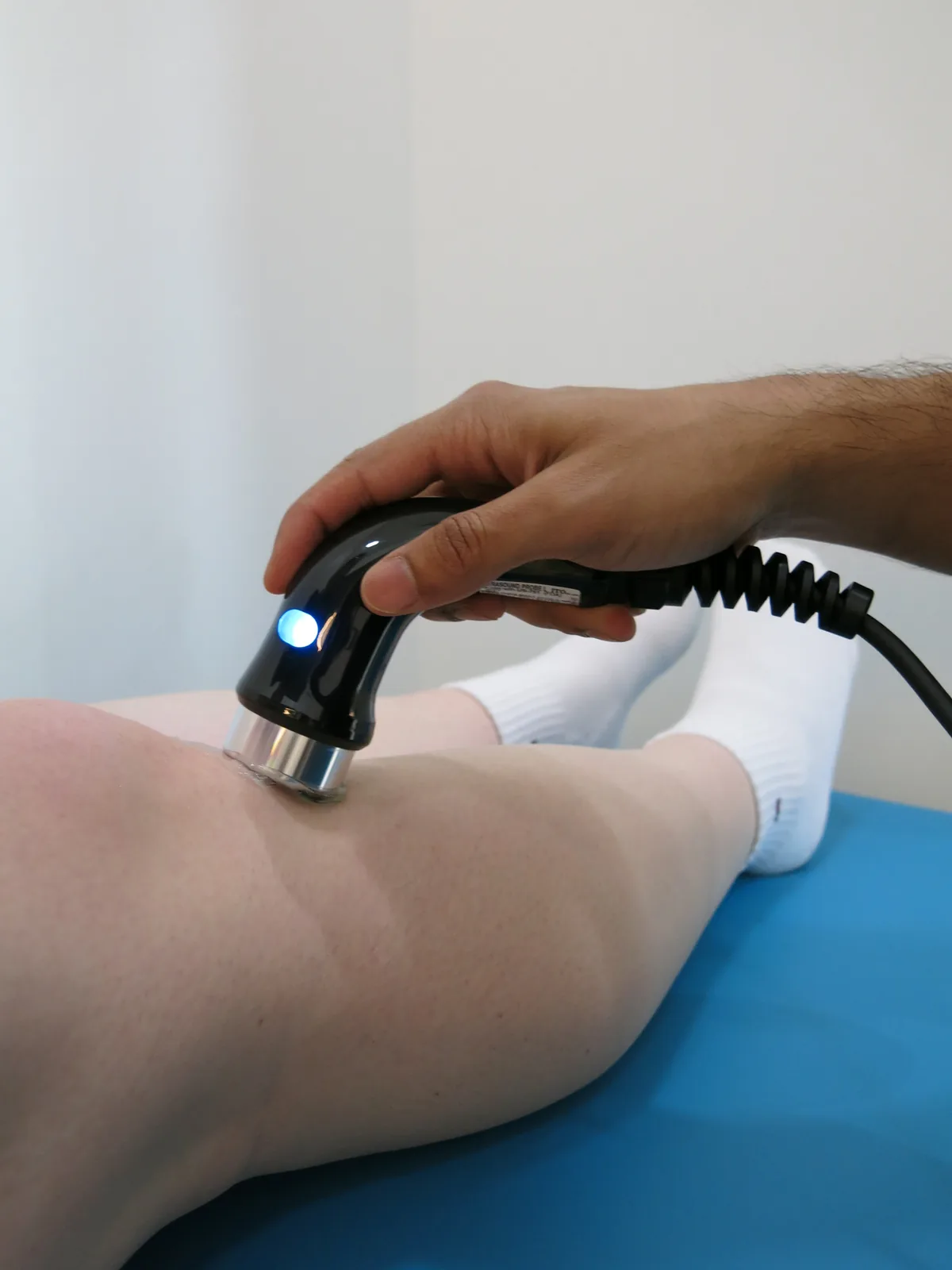
Physiotherapy for Osteoarthritis in Ancaster & Hamilton
Joint pain from osteoarthritis? Physiotherapy in Ancaster and Hamilton to ease pain, keep joints moving and keep you active.
Do You Recognize These Symptoms?
If this sounds like you, physiotherapy is one of the most effective treatments available.
Book OnlineWhat the Research Says About Osteoarthritis
Osteoarthritis (OA) is the most common joint condition worldwide, characterized by cartilage degradation and joint inflammation. While often dismissed as simple "wear and tear," evidence shows that physiotherapy is a highly effective treatment.
"Exercise therapy for people with knee or hip OA reduces pain and improves physical function... The effects of treatment are maintained for at least 2-6 months after cessation of formal treatment."
. Cochrane Database of Systematic Reviews, 2015 & 2014
At Interlink Physiotherapy, we don't just manage symptoms. We provide a structured, evidence-based program to improve your joint health, reduce pain, and restore your quality of life, helping you delay or even avoid the need for surgery.
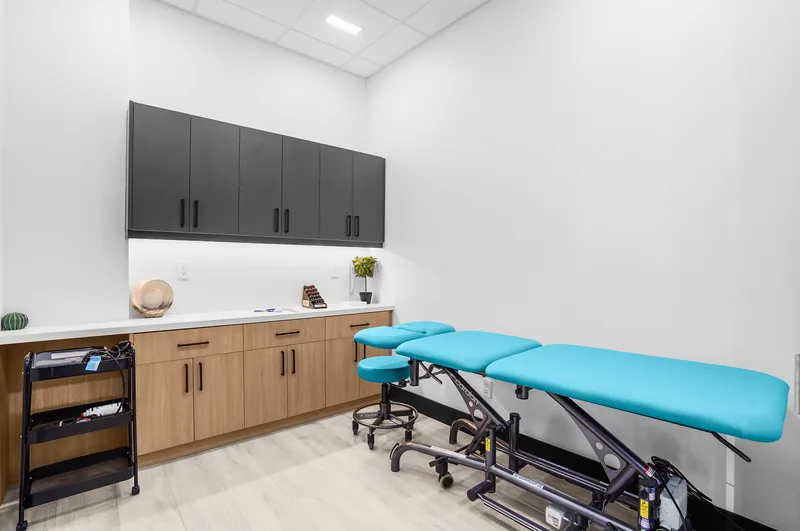
Real Patients, Real Words
Mario C.
The experience
"Knowledgeable and insightful. Clean facility to make you feel at ease. Friendly staff. …"
Chris J.
The experience
"Very thorough assessment. I am very pleased with the attention to details and help recieved from this clinic. Very clean, welcoming environment. Friendly and helpful staff. Would definitely recommend to anyone."
Cristovao C.
The experience
"I would highly recommend Interlink for physiotherapy sessions. Dhiman is very knowledgeable and patient, taking the time to fully understand what your issues are and making sure he gets a full picture before beginning treatment. He includes you in setting goals and expectations. His treatments are varied and he explains why we would do each exercise. Furthermore, he would provide exercises or stretches to complete at home. Always felt at ease and comfortable to ask any questions or further clarification on anything discussed. … The space is very clean and the equipment kept in great shape. All staff are very welcoming and friendly making for a great atmosphere for recovery."
How We Treat Osteoarthritis
Comprehensive Joint Assessment
We conduct a thorough evaluation of your affected joint, analyzing your movement patterns, strength, and functional limitations to pinpoint the specific drivers of your osteoarthritis symptoms.
Targeted Exercise Prescription
Based on the assessment, we design a personalized exercise program focused on strengthening the muscles that support your joint, improving flexibility, and reducing load-related pain, consistent with the latest clinical guidelines.
Manual Therapy for Pain Relief
We use hands-on techniques to gently mobilize the joint and release surrounding soft tissues, helping to alleviate stiffness, reduce pain, and improve your joint's range of motion.
Education for Long-Term Management
We empower you with the knowledge to understand osteoarthritis, manage flare-ups effectively, and make lifestyle modifications to protect your joints and maintain an active life.
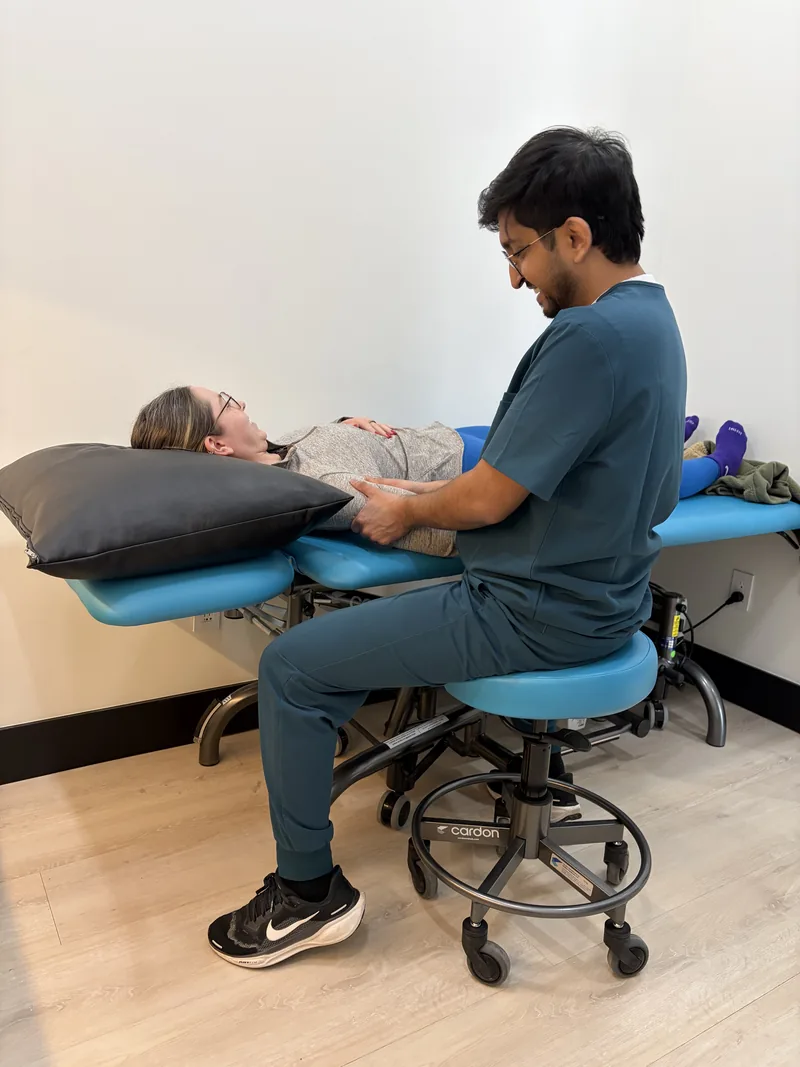
Your Path to Recovery
Initial Assessment
A 60-minute one-on-one session to diagnose the root cause of your pain and create your personalized treatment plan.
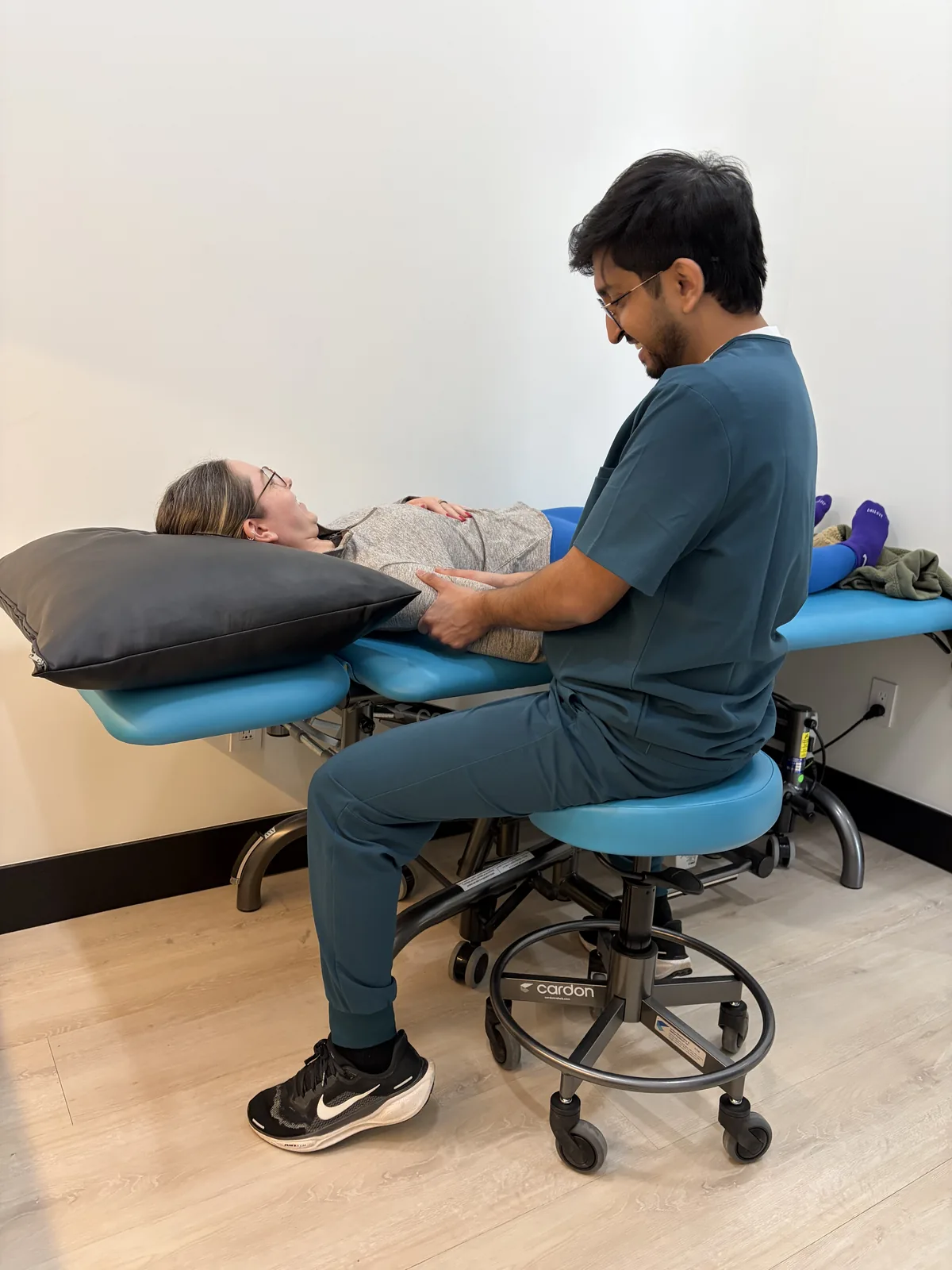
Active Recovery
Follow-up sessions combining manual therapy with a progressive exercise program to build strength and restore function.
Long-Term Success
We equip you with the knowledge and tools for self-management, helping you stay active and prevent future pain.
Your Options, Side by Side
Physiotherapy
Pros: Addresses root cause, improves function, reduces pain long-term, a very low risk of side effects, recommended first-line treatment.
Cons: Requires active participation and consistency.
Pain Medication (NSAIDs)
Pros: Provides temporary pain relief.
Cons: Masks symptoms, does not improve joint function, risk of gastrointestinal and cardiovascular side effects.
Cortisone Injections
Pros: Can provide short-term relief for severe flare-ups.
Cons: Effect is often temporary, repeated injections may damage cartilage, does not address underlying weakness.
Joint Replacement Surgery
Pros: Effective for end-stage osteoarthritis when conservative options fail.
Cons: Invasive, significant risks, long recovery period. Best reserved as a last resort after trying physiotherapy.
Frequently Asked Questions
No. This is a harmful misconception. High-quality studies consistently show that appropriate, prescribed exercise reduces pain and improves function without accelerating joint deterioration. Inactivity, however, worsens outcomes.
Not necessarily. Clinical guidelines strongly recommend a trial of physiotherapy and exercise before considering surgery. Many patients achieve enough improvement to delay or avoid surgery altogether.
An initial 6-12 week program is typical to establish an effective exercise routine and reduce pain. Since osteoarthritis is a chronic condition, the benefits are best maintained with an ongoing exercise habit.
Yes, occasional flare-ups of increased pain and swelling are a normal part of osteoarthritis and do not signify joint damage. Your physiotherapist will teach you how to manage these flares effectively.
Wedged insoles don't help knee arthritis. In a 12-month study of 200 people, published in the BMJ in 2011, they did no better than flat insoles. Arthritis guidelines advise against them and put strength exercise first. If your feet hurt too, we can check if orthotics make sense for your feet.
Related Conditions
Knee Pain
The knee is the most common joint affected by osteoarthritis. We address the specific biomechanics of the knee to reduce pain.
Hip Pain
Hip osteoarthritis is a major cause of pain and disability. Our treatment focuses on improving mobility and strength.
Lower Back Pain
Changes in walking patterns from hip or knee OA can often lead to compensatory strain and pain in the lower back.
Knee Replacement Rehab
Physio before and after knee replacement surgery, with a week by week guide.
Hip Replacement Rehab
Physio before and after hip replacement surgery, following your surgeon's plan.
Spinal Stenosis
Leg pain or tingling when you walk that eases when you sit. Wear-related changes in the spine are a common cause.
Clinically reviewed by Dhiman Patel, MScPT, Registered Physiotherapist. Updated September 2026.
References
- Fransen M, McConnell S, Harmer AR, et al. Exercise for osteoarthritis of the knee. Cochrane Database of Systematic Reviews. 2015.
- Fransen M, McConnell S, Hernandez-Molina G, et al. Exercise for osteoarthritis of the hip. Cochrane Database of Systematic Reviews. 2014.
- Kolasinski SL, Neogi T, Hochberg MC, et al. 2019 American College of Rheumatology/Arthritis Foundation Guideline for the Management of Osteoarthritis of the Hand, Hip, and Knee. Arthritis and Rheumatology. 2020.
- Bannuru RR, Osani MC, Vaysbrot EE, et al. OARSI guidelines for the non-surgical management of knee, hip, and polyarticular osteoarthritis. Osteoarthritis and Cartilage. 2019.