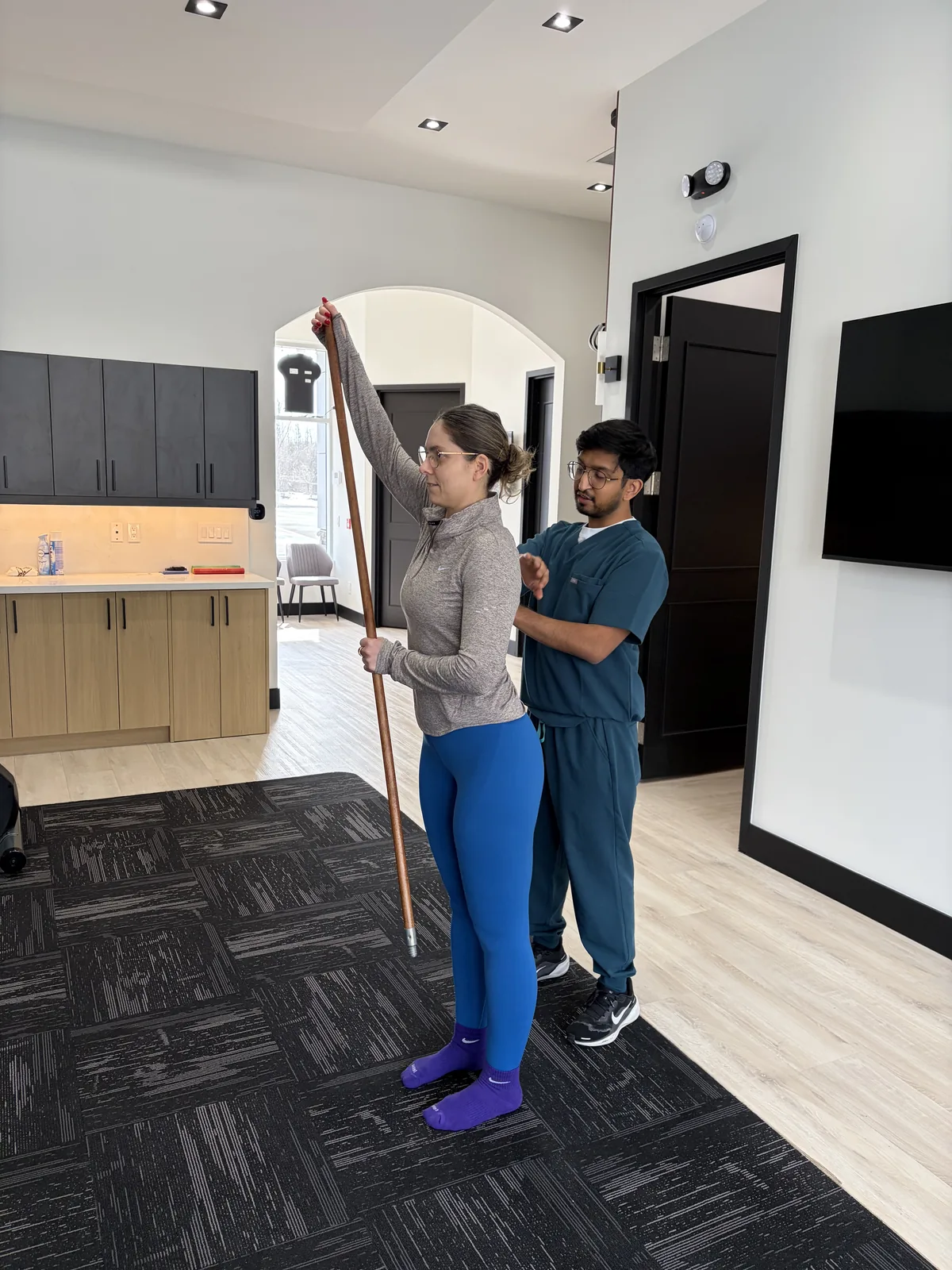
Physiotherapy for Rotator Cuff Injury in Hamilton & Ancaster
Rotator cuff pain or weakness? One on one treatment in Ancaster and Hamilton to rebuild strength and get your arm working again.
Do You Recognize These Symptoms?
Common signs and symptoms include:
Pain in the front or side of the shoulder
Pain that worsens with overhead activities like reaching or lifting
Weakness when lifting or rotating the arm
Painful clicking or popping sounds with shoulder movement
Difficulty sleeping on the affected side or pain at night
Loss of shoulder mobility and stiffness
Pain radiating from the shoulder down the side of the arm
Inability to perform daily activities without pain
What the Research Says About Rotator Cuff Injuries
Rotator cuff injuries are one of the most common causes of shoulder pain, but the good news is that most cases do not require surgery. Research published in the Journal of Shoulder and Elbow Surgery shows that a structured physiotherapy program is just as effective as surgery for most rotator cuff tears.
At Interlink Physiotherapy, we don't use passive modalities or cookie-cutter approaches. We provide one-on-one, evidence-based care focused on what truly works: progressive exercise and education. We help you rebuild strength, restore mobility, and give you the tools to prevent the injury from coming back.
Real Patients, Real Words
T. Bucalo
Google review
"I chose Interlink Physiotherapy based on glowing reviews and found them fully deserved. My doctor referred me for persistent shoulder pain spanning several months, which an ultrasound diagnosed as bursitis and tendinitis. Dhiman patiently outlined my recovery expectations and timeline, while attentively addressing my concurrent elbow injury. …"
Ashley F.
Google review
"My experience it interlink physiotherapy has been excellent. Dhiman Patel is very professional, knowledgeable, and supports his patients needs. …"
Chris J.
Google review
"Very thorough assessment. I am very pleased with the attention to details and help recieved from this clinic. Very clean, welcoming environment. Friendly and helpful staff. Would definitely recommend to anyone."
How We Treat Rotator Cuff Injuries
Accurate Diagnosis
We start with a detailed assessment to understand the specifics of your injury, differentiating between tendinopathy, partial tears, and other shoulder issues to create a targeted and effective treatment plan.
Progressive Loading Program
Based on your diagnosis, we design a customized exercise program focused on progressive loading to safely rebuild tendon strength, improve mechanics, and restore pain-free function.
Hands-On Manual Therapy
We use joint mobilizations and soft tissue techniques to alleviate pain, improve range of motion, and reduce compensatory strain on other parts of your body like the neck and upper back.
Scapular & Core Stabilization
We address the root cause by strengthening the muscles that support your shoulder blade and core, creating a stable foundation for movement and significantly reducing the risk of re-injury.
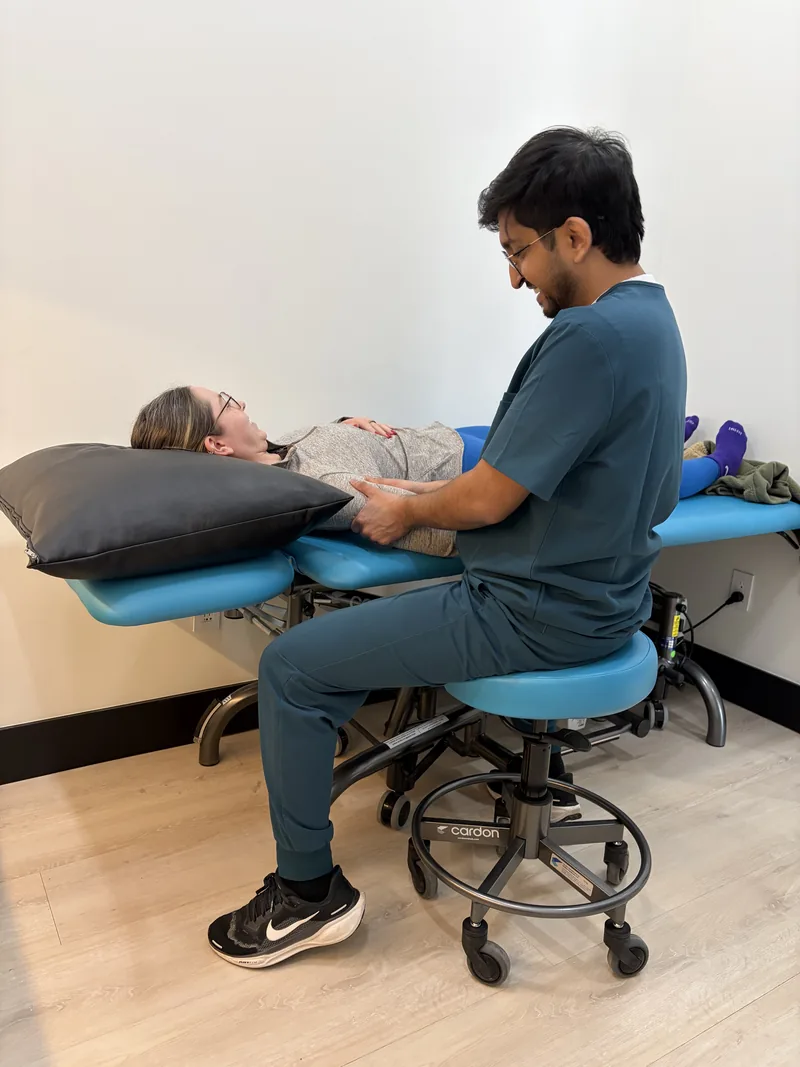
Your Path to Recovery
We follow a clear, structured process to ensure you get the best possible results.
Initial Assessment
A comprehensive 60-minute one-on-one session to diagnose your issue, understand your goals, and provide initial treatment and education.
Treatment & Rehab
30-minute follow-up sessions focused on hands-on therapy and progressing your personalized exercise program to build strength and resilience.
Long-Term Prevention
We ensure you have a clear plan to continue your progress independently and reduce the risk of future shoulder problems.
Your Options, Side by Side
Understanding your options is key to making the best decision for your health.
PhysiotherapyRecommended
Pros: Addresses root cause, proven as effective as surgery for most tears, builds long-term strength.
Cons: Requires active participation and consistency with exercises.
Surgery
Pros: May be needed for large, acute tears in active individuals.
Cons: Invasive, long recovery (4-6+ months), risk of stiffness, and not superior to physio for most cases.
Cortisone Injections
Pros: Can provide temporary pain relief.
Cons: Does not fix the underlying problem, may weaken the tendon over time, pain often returns.
Rest
Pros: May calm initial severe pain.
Cons: Leads to significant weakness and stiffness (deconditioning), which delays recovery and worsens outcomes.
Frequently Asked Questions
Not necessarily. Research consistently shows that physiotherapy produces outcomes equivalent to surgery for the majority of rotator cuff tears. Surgery is generally reserved for complete, acute tears causing significant weakness, or for those who have not improved with a quality physiotherapy program.
Rotator cuff tendinopathy typically responds within 8-12 weeks of structured physiotherapy. Partial tears may require 12-16 weeks. Post-surgical rehabilitation takes longer, often 4-6 months. Your consistency with the home exercise program is the most critical factor for a speedy recovery.
Night pain is a hallmark of rotator cuff issues. It's often caused by compression of the inflamed tendon or bursa when you lie on the affected shoulder. As your tendon health improves with progressive loading exercises, this nocturnal pain typically reduces significantly.
Yes. A key goal of physiotherapy is prevention. Research shows that a progressive strengthening program for the rotator cuff and scapular muscles significantly reduces the risk of re-injury. Completing your full rehab program is essential, even after your pain has gone away.
Related Conditions
Shoulder pain can be complex. We also treat other conditions that are often related to or mistaken for rotator cuff injuries.
Clinically reviewed by Dhiman Patel, MScPT, Registered Physiotherapist. Updated September 2026.
References
- Yamamoto A, Takagishi K, Osawa T, et al. Prevalence and risk factors of a rotator cuff tear in the general population. Journal of Shoulder and Elbow Surgery. 2010.
- Page MJ, Green S, McBain B, et al. Manual therapy and exercise for rotator cuff disease. Cochrane Database of Systematic Reviews. 2016.
- Kuhn JE, Dunn WR, Sanders R, et al. Effectiveness of physical therapy in treating atraumatic full-thickness rotator cuff tears. Journal of Shoulder and Elbow Surgery. 2013.
- Ryosa A, Laimi K, Aarimaa V, et al. Surgery or conservative treatment for rotator cuff tear: a meta-analysis. Disability and Rehabilitation. 2017.
- Bury J, West M, Chamorro-Moriana G, et al. Effectiveness of scapula-focused approaches in patients with rotator cuff related shoulder pain. Systematic Reviews. 2016.
- Littlewood C, Ashton J, Chance-Larsen K, et al. Exercise for rotator cuff tendinopathy: a systematic review. Physiotherapy. 2012.