
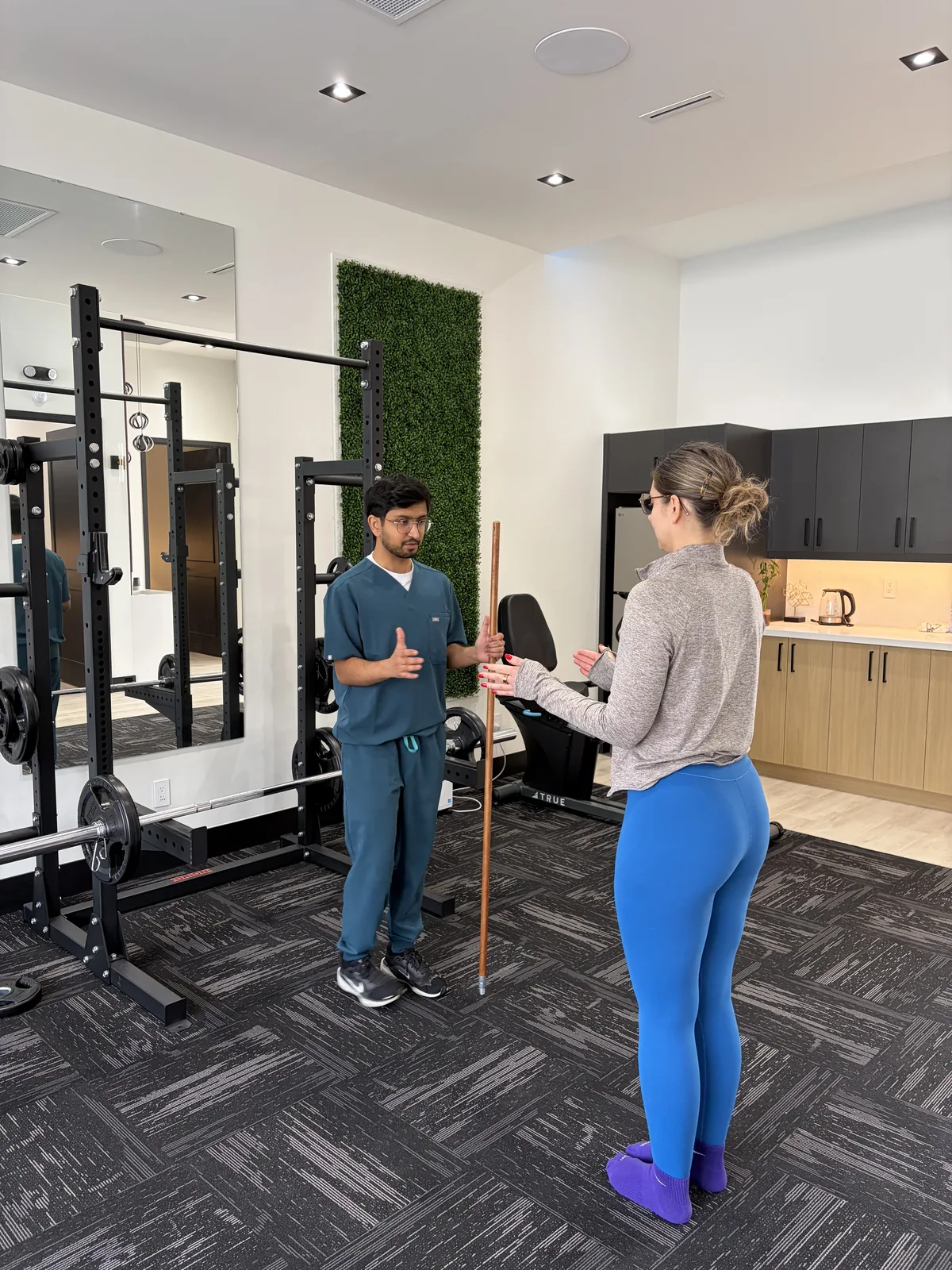
Outpatient neuro rehab, one on one
Neurological Physiotherapy in Hamilton and Ancaster
Stroke, Parkinson's and MS rehabilitation in a private clinic setting. Keep progressing after hospital programs end, with a full 45 to 60 minutes of one on one care every visit.
No referral needed · No waitlist · No stairs at the entrance
- 5.0 on Google
- No Referral Needed
- Direct Billing Available
- Registered Physiotherapist
- Free Parking
Recovery Does Not Stop When the Program Ends
Hospital rehab programs do excellent work, and they end on a schedule. Most people finish with goals still in front of them: steadier walking, a stronger arm, more confidence on stairs.
The nervous system keeps adapting with the right kind of practice. Our job is to keep that practice structured, progressive and pointed at the goals that matter to you.
Stroke Recovery
Stroke recovery runs on neuroplasticity, the brain's ability to rewire around the injury. Neuroplasticity responds to repetition, effort and task specific practice. In plain terms: the movements you practice, at the right challenge level, hundreds of times, are the ones that come back strongest.
We retest your baseline at the first visit, then build sessions around your goals. That can mean gait retraining for a safer, more even walk. Balance work for curbs and uneven ground. Strength and task practice for the affected arm and hand. Stair and outdoor walking practice when you are ready for it.
Family members are welcome in every session. A home program carries the work between visits, and we keep it realistic for your setup and energy.
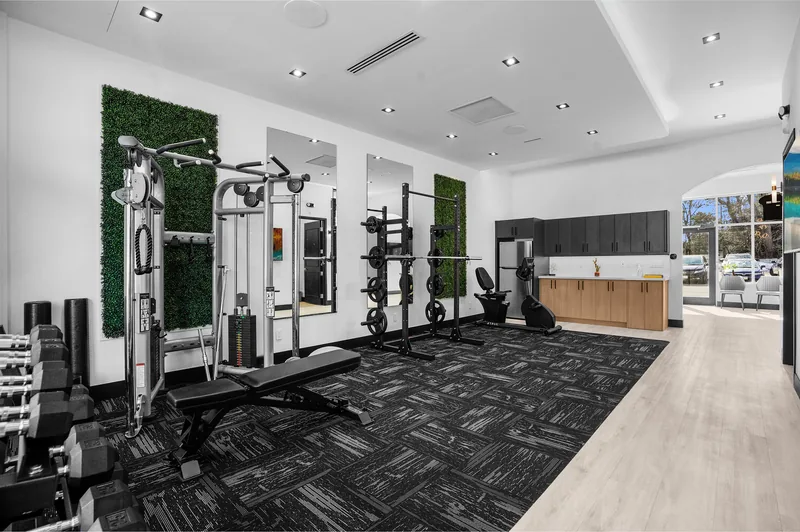
Parkinson's Disease
Exercise sits at the centre of Parkinson's care. Movement guidelines for Parkinson's point to about 150 minutes of moderate to vigorous aerobic activity each week, along with strength training, balance work and stretching. Done consistently, that dose is linked with better movement and better quality of life.
Parkinson's also shrinks movement quietly. Steps shorten, the voice softens, turns become shuffly. Amplitude based training pushes back: big, exaggerated, effortful movements practiced until bigger becomes normal again. We combine that with walking practice using external cues, balance training to cut fall risk, and a weekly plan that makes the exercise dose achievable.
What we work on
Big amplitude movement. Walking speed and stride length. Turning safely. Getting off the floor and out of low chairs. Posture and flexibility. Fall prevention.
Who this is for
Newly diagnosed and building a routine. Noticing smaller steps or stiffness creeping in. Recovering confidence after a fall. Or keeping a good exercise habit progressing.
MS, Balance Problems and Other Neurological Conditions
We also work with people managing multiple sclerosis, peripheral neuropathy, and general unsteadiness or falls. The common thread is the same: measure the baseline, train the specific problem, progress carefully, and keep energy management in the plan.
For MS in particular, exercise at the right dose supports strength, balance and walking endurance without flaring fatigue. Sessions flex with your week rather than fighting it.
Older adults who feel less steady than they used to can start with our seniors and active adults program, and anyone whose unsteadiness comes with dizziness should read about vestibular physiotherapy, because the inner ear is often part of the story.
- 45 to 60 minute sessions, always one on one with the same physiotherapist
- Standardized balance and mobility testing so progress is measured, never guessed
- Home programs built for your actual space and support
- Free parking at the door and a level entrance, friendly to walkers and wheelchairs
Neurological Physiotherapy FAQs
Can I still improve months or years after my stroke?
Meaningful gains are possible well beyond the early months. The brain keeps its ability to rewire with the right kind of practice, and research on stroke recovery supports continued training long after discharge.
Progress usually comes from focused, repeated practice of the specific tasks you want back. That is what our sessions are built around.
What happens when hospital outpatient rehab ends?
Publicly funded programs run for a set block of time, and many people finish them with goals still on the table. That gap is exactly where clinic based neuro physiotherapy fits.
We pick up where the program left off, retest your baseline, and keep the training progressing toward your own goals.
What does physiotherapy for Parkinson's involve?
Exercise is one of the best supported tools for managing Parkinson's symptoms. Guidelines point to around 150 minutes of moderate to vigorous activity per week, plus strength, balance and stretching work.
In the clinic we focus on big amplitude movement training, walking practice with cueing strategies, balance work to lower fall risk, and building a weekly exercise routine you can actually keep.
Can exercise slow Parkinson's down?
Research suggests regular, vigorous exercise may help with symptom management and quality of life, and scientists are actively studying its effect on progression. What is well established: people with Parkinson's who exercise consistently tend to move better and function better.
The earlier a routine starts after diagnosis, the better the habits hold. We help you build one that fits your life.
Do you treat MS?
Yes. For multiple sclerosis we focus on strength, balance, walking endurance and energy management. Exercise at the right dose helps many people with MS function better without worsening fatigue.
Sessions are paced to your energy, and the plan flexes with how you are doing week to week.
Is neurological physiotherapy covered by OHIP?
Hospital based programs are OHIP funded and usually need a physician referral. Interlink is a private clinic, so our care is billed to extended health plans or paid privately, and you can book directly without a referral.
Your first assessment and first treatment are free, so you can see whether our approach fits before anything is billed.
How often would I come in?
It depends on your goals and your home support. A common pattern is once or twice a week in the clinic with a structured home program between visits.
The home program does a lot of the work. Clinic visits test, correct and progress it.
Can my spouse or family member join the session?
Please bring them. A family member who knows the exercises and the safety points makes home practice work far better. Every session is one on one in a private setting, so there is room and time for questions.
Is the clinic accessible for walkers and wheelchairs?
Yes. Parking is free directly outside the door and there are no stairs at the entrance. Sessions run 45 to 60 minutes, so there is no rushing between stations.
Do you treat balance problems and falls?
Yes. Balance trouble after a neurological diagnosis, or simply with age, responds to progressive balance training. We measure your balance with standard tests, then train it with graded challenges in a safe setup.
If dizziness is part of the picture, our vestibular physiotherapy assessment sorts out whether the inner ear is contributing.
Keep Your Recovery Moving
One on one neurological physiotherapy in Ancaster, minutes from the Hamilton Mountain and Dundas. Bring your goals and your questions. Your first assessment and first treatment are free.
1280 Mohawk Rd #103, Ancaster · Free parking · No referral needed
The information on this page is general and is current as of July 2026. It is not medical advice. Always follow the guidance of your physician and stroke or neurology team, and speak with them before changing your exercise routine.
Reviewed by Dhiman Patel, MScPT, registered with the College of Physiotherapists of Ontario. Last reviewed 29 July 2026.