
Vertigo and dizziness care, one on one
Vestibular Physiotherapy for Vertigo and Dizziness
Spinning, rocking or unsteady on your feet? A vestibular assessment finds the cause, and treatment often starts the same visit. Serving Ancaster, Hamilton and Dundas.
No referral needed · Direct billing available · Free parking at the door
- 5.0 on Google
- No Referral Needed
- Direct Billing Available
- Registered Physiotherapist
- Free Parking
Dizziness Is a Symptom. The First Job Is Finding the Cause.
Vertigo from the inner ear, dizziness from the neck, and unsteadiness after concussion all feel awful, and each one needs different treatment.
Your first visit is a full one hour assessment that sorts out which system is behind your symptoms. When the cause is BPPV, treatment usually begins right away.
What We Treat
The vestibular system is your inner ear balance system. When it misfires, the world spins, rocks or tilts. These are the problems we see most.
BPPV (positional vertigo)
Short, intense spins set off by rolling in bed, looking up or bending down. The most common inner ear cause of vertigo, and one of the most treatable. Read about BPPV treatment.
Dizziness after inner ear infections
Vestibular neuritis and labyrinthitis can leave you off balance for weeks after the infection passes. Guided retraining exercise helps the brain recalibrate.
Neck related dizziness
A swimmy, unsteady feeling that travels with neck pain or stiffness, often after whiplash. Treating the upper neck can settle it.
Dizziness after concussion
Unsteadiness, motion sensitivity and visual discomfort are common after a head injury. Vestibular rehab is a core part of concussion recovery.
Unsteadiness and falls
Balance fades quietly with age and after illness. Progressive balance training rebuilds steadiness and confidence on your feet.
Motion sensitivity
Busy stores, scrolling screens and car rides can become overwhelming after a vestibular problem. Habituation exercise turns the volume back down.
What a Vestibular Assessment Looks Like
Dizziness has a pattern, and the pattern points to the cause. We start by listening carefully: what sets it off, how long it lasts, what it feels like, and what else came with it.
Then we test. We watch your eye movements, because the inner ear drives the eyes and leaves fingerprints there. We check your balance under different conditions. We test your neck. And we run positional tests such as the Dix-Hallpike, which reproduces BPPV briefly so we can confirm which ear and which canal is involved.
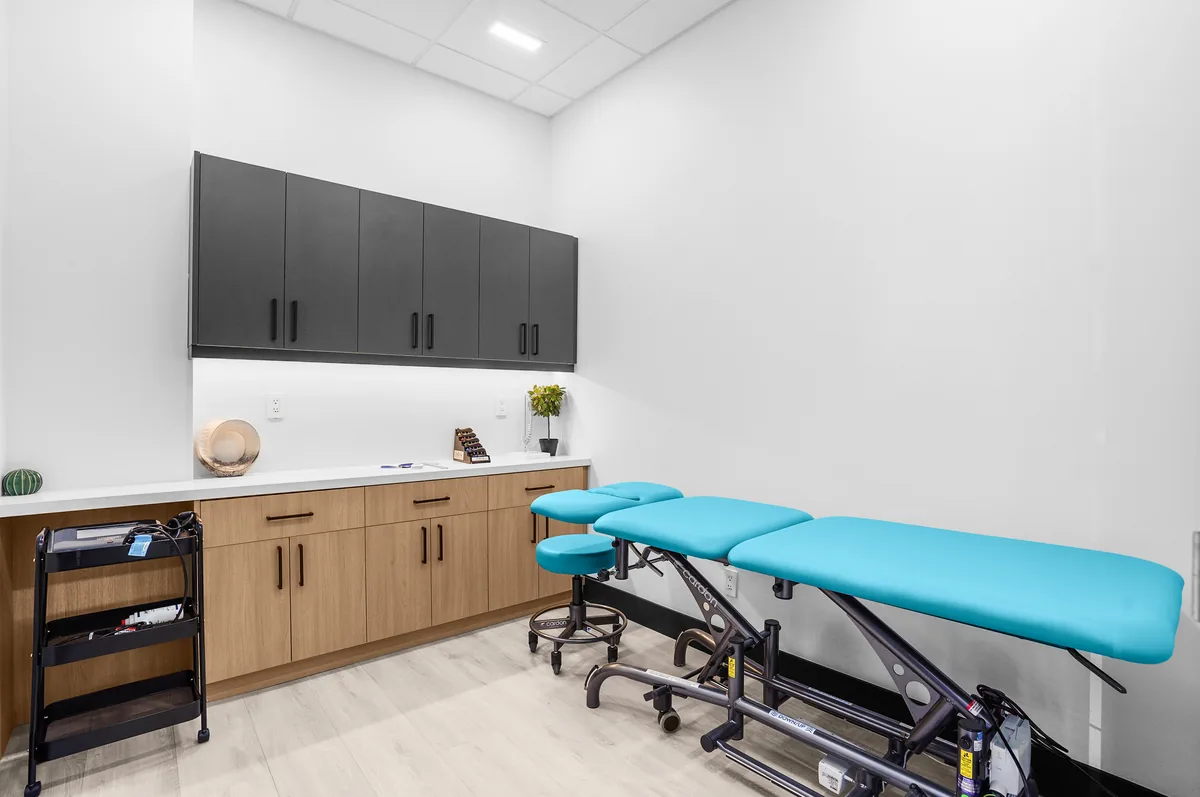
The whole visit is one on one with the same registered physiotherapist, in a private room, with time to do it properly.
- Full first assessment, free for new patients
- Treatment the same visit when BPPV is found
- A clear home plan matched to your cause
- Referral guidance if your dizziness needs medical work up
How Vestibular Rehabilitation Works
Treatment depends on the cause, and that is the point of the assessment. These are the main tools.
Repositioning manoeuvres
For BPPV, guided head movements steer the loose crystals back where they belong. Relief often comes within a few visits.
Gaze stabilization
Short, frequent eye and head exercises that retrain the reflex keeping your vision steady while you move. Central to recovery after inner ear infections.
Balance retraining
Progressive standing and walking challenges that rebuild steady footing, done safely and stepped up as you improve.
Habituation exercise
Gradual, repeated exposure to the movements and environments that stir up symptoms, so your system stops overreacting to them.
Vestibular rehabilitation is well supported by research for inner ear balance problems. Practice guidelines recommend starting it early rather than waiting for symptoms to pass on their own.
Vestibular Physiotherapy FAQs
Can a physiotherapist treat vertigo?
Yes. Physiotherapists with vestibular training assess and treat many causes of vertigo and dizziness. The most common one, BPPV, often responds to repositioning treatment within a few visits.
We also treat dizziness after vestibular infections, dizziness linked to the neck, and balance problems after concussion.
How do you figure out what is causing my dizziness?
We start with your story, because the pattern of your dizziness says a lot. Short spins with rolling over point one way. Constant rocking points another.
Then we run specific tests. We watch your eye movements, test your balance, and use positional tests such as the Dix-Hallpike to check for BPPV. You leave the first visit knowing what we found and what the plan is.
What is BPPV?
BPPV stands for benign paroxysmal positional vertigo. Tiny crystals in the inner ear drift into the wrong canal, and certain head positions then set off short, intense spinning.
It is the most common inner ear cause of vertigo, and it is very treatable. Our BPPV treatment page explains it fully.
How many vestibular therapy sessions will I need?
It depends on the cause. BPPV often improves within one to three visits. Retraining the system after a vestibular infection usually takes several weeks of guided exercise.
We measure where you start, so you can see your progress rather than guess at it.
Is vestibular physiotherapy covered by OHIP?
Interlink is a private clinic, so our care is not billed to OHIP. Most extended health plans cover physiotherapy, and vestibular treatment counts as physiotherapy. We bill most major insurers directly.
Your first assessment and first treatment here are free, and they are not billed to any insurer.
Do I need a referral to book a dizziness assessment?
No. In Ontario you can book a physiotherapy assessment directly. If your dizziness needs medical investigation as well, we tell you and help you take the next step.
Why do I get dizzy when I roll over in bed?
Short spinning spells with rolling over, lying down or looking up are the classic pattern of BPPV. The spinning usually lasts less than a minute, then settles until the next trigger.
This pattern responds well to repositioning treatment. Most people improve within a few visits.
Can neck problems cause dizziness?
They can. The upper neck feeds position information to the brain, and after an injury such as whiplash that information can get noisy. The result is a swimmy, unsteady feeling that often comes with neck pain or stiffness.
We assess the neck and the vestibular system together, which matters because the treatments are different.
Is my dizziness serious?
Most dizziness we see comes from the inner ear or the neck and is very treatable. Some symptoms do need urgent medical care first: sudden dizziness with double vision, slurred speech, facial droop, new weakness or numbness, trouble walking, or a sudden severe headache. If any of these happen, call 911 or go to the emergency department.
We screen for these at every first assessment.
Can I drive to my appointment?
If certain positions set off strong spinning, ask someone to drive you to your first visit if you can. After repositioning treatment we go through simple aftercare with you before you leave.
Do you treat dizziness after a concussion?
Yes. Dizziness and unsteadiness are common after concussion, and vestibular rehabilitation is one of the treatments with good support behind it. Our concussion physiotherapy page covers the full recovery process.
What should I expect at the first visit?
A full one on one hour with Dhiman. He takes your history, tests your eyes, inner ear and balance, and checks your neck. If BPPV is found, treatment usually starts the same visit.
You leave knowing the likely cause, the plan, and what to do at home.
Find Out What Is Behind Your Dizziness
One on one vestibular assessment with a registered physiotherapist in Ancaster, minutes from the Hamilton Mountain and Dundas. Your first assessment and first treatment are free.
1280 Mohawk Rd #103, Ancaster · Free parking · No referral needed
The information on this page is general and is current as of July 2026. It is not medical advice. Some causes of dizziness need medical investigation, and we screen for these at every first assessment. If you have sudden dizziness with double vision, slurred speech, weakness or a severe headache, call 911.
Reviewed by Dhiman Patel, MScPT, registered with the College of Physiotherapists of Ontario. Last reviewed 29 July 2026.